Luc Boltanski - Enrichment
Здесь есть возможность читать онлайн «Luc Boltanski - Enrichment» — ознакомительный отрывок электронной книги совершенно бесплатно, а после прочтения отрывка купить полную версию. В некоторых случаях можно слушать аудио, скачать через торрент в формате fb2 и присутствует краткое содержание. Жанр: unrecognised, на английском языке. Описание произведения, (предисловие) а так же отзывы посетителей доступны на портале библиотеки ЛибКат.
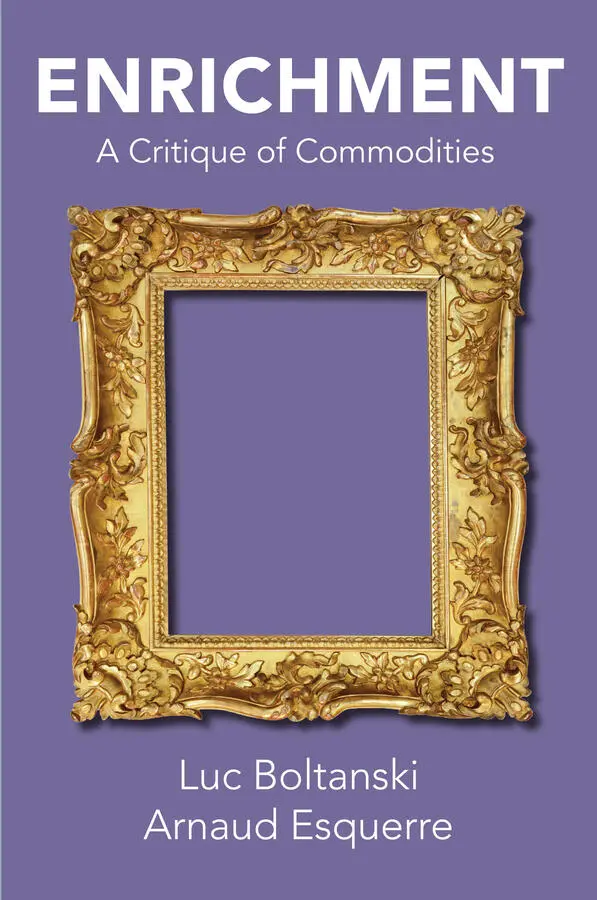
- Название:Enrichment
- Автор:
- Жанр:
- Год:неизвестен
- ISBN:нет данных
- Рейтинг книги:4 / 5. Голосов: 1
-
Избранное:Добавить в избранное
- Отзывы:
-
Ваша оценка:
Enrichment: краткое содержание, описание и аннотация
Предлагаем к чтению аннотацию, описание, краткое содержание или предисловие (зависит от того, что написал сам автор книги «Enrichment»). Если вы не нашли необходимую информацию о книге — напишите в комментариях, мы постараемся отыскать её.
Enrichment — читать онлайн ознакомительный отрывок
Ниже представлен текст книги, разбитый по страницам. Система сохранения места последней прочитанной страницы, позволяет с удобством читать онлайн бесплатно книгу «Enrichment», без необходимости каждый раз заново искать на чём Вы остановились. Поставьте закладку, и сможете в любой момент перейти на страницу, на которой закончили чтение.
Интервал:
Закладка:
CONTENTS
1 Cover
2 Front Matter Enrichment A Critique of Commodities Luc Boltanski and Arnaud Esquerre Translated by Catherine Porter polity
3 Acknowledgments
4 Translator’s note
5 Foreword by Charles Sabel
6 Introduction Notes
7 Part I Destruction and Creation of Wealth 1 The Age of the Enrichment EconomyThe deindustrialization of Western Europe Old and new sites of prosperity The omnipresence of enriched objects The rise of luxury Heritage creation The development of tourism The expansion of cultural activities The art trade Arles: from railroad shops to contemporary art exhibits An economic reorientation toward the wealthy Notes 2 Toward EnrichmentThe characteristics of an enrichment economy Dormant resources in the enrichment economy Changes in French cultural policy A new perspective in economic analysis A shift to different scales From ornamental patrimony to heritage creation Local mutations in global capitalism Partisans of things Notes
8 Part II Prices and Forms of Valuation 3 Commerce in Things The commodity condition On the circulation of things Changing hands The process of determination Price and metaprice Critiquing the price Value as justification for a price Price as an element in the construction of reality Notes 4 Forms of ValuationStructure and transformation group of forms of valuation Analytic and narrative presentations of things The problem of valuation by means of images On the reproduction of things Lacks, totalities, and scarcity Institutions and forms of valuation Structuralism and capitalism Notes
9 Part III Commodity Structures 5 The Standard FormThe model for the standard form The standard form and industrial production Prototypes and specimens The proliferation of things without persons The internal tensions of the standard form The unease created by the standard form Notes 6 Standardization and DifferentiationThe historical dimension of the forms of valuation From trade in things to the circulation of commodities The effect of standardization on the constitution of forms of valuation Material economies, immaterial economies Notes 7 The Collection FormThe modernity of the collection form Systematic collection as an arrangement for valuation Collectors’ items Price and value of collectors’ items The fields of collectables The structure of the collection form Notes 8 Collection and EnrichmentThe usefulness of useless things Collecting in thrall to marketing On the use of the collection form by luxury firms The collection form and contemporary art The contradiction of the enrichment economy Notes 9 The Trend FormTrend, sign, and distinction The structure of the trend form The economic constraints of the trend form From the trend form to the collection form Notes 10 The Asset FormCharacteristics of the asset form On the liquidity of things as assets The commercial potential of assets Notes
10 Part IV Who Profits from the Past 11 Profit in a Commercial SocietyCompetition and differentiation Surplus work value and profit Surplus market value and profit Displacing commodities or displacing buyers Shifts among forms of valuation Profiting from the wealthy in the capitalist cosmos Notes 12 The Enrichment Economy in Practice An enriched village: Laguiole in Aubrac Cutlery valorized by the collection form “A name, a brand, a village” Notes 13 The Shape of the Enrichment SocietyThe organization of things and persons Who can profit from an enrichment economy? “Losers” and “servants” The return of “rentiers” Notes 14 Creators in the Enrichment SocietyThe economic condition of culture workers Self-promotion by creators The constraint of self-exploitation The circumstances behind the crystallization of social classes Troubled critiques Notes
11 Conclusion: Action and StructuresThe enrichment economy and a critique of capitalism On pragmatic structuralism Notes
12 Appendix Some basic elements of the language of category theory Forms of commodity valuations Notes
13 References
14 Index
15 End User License Agreement
Figures
1 Chapter 4 Figure 4.1Structural dimensions of the forms of valuation
2 Chapter 5 Figure 5.1Structural schema of the standard form
3 Chapter 7 Figure 7.1Structural schema of the collection form
4 Chapter 9 Figure 9.1Structural schema of the trend form
5 Chapter 10 Figure 10.1Structural schema of the asset form
6 Chapter 12 Figure 12.1Standard form Figure 12.2Collection form
Guide
1 Cover
2 Contents
3 Begin Reading
Pages
1 ii
2 iii
3 iv
4 ix
5 x
6 xi
7 xii
8 xiii
9 xiv
10 xv
11 xvi
12 xvii
13 1
14 2
15 3
16 4
17 5
18 6
19 7
20 9
21 11
22 12
23 13
24 14
25 15
26 16
27 17
28 18
29 19
30 20
31 21
32 22
33 23
34 24
35 25
36 26
37 27
38 28
39 29
40 30
41 31
42 32
43 33
44 34
45 35
46 36
47 37
48 38
49 39
50 40
51 41
52 42
53 43
54 44
55 45
56 46
57 47
58 48
59 49
60 50
61 51
62 52
63 53
64 54
65 55
66 56
67 57
68 58
69 59
70 60
71 61
72 62
73 63
74 64
75 65
76 66
77 67
78 69
79 71
80 72
81 73
82 74
83 75
84 76
85 77
86 78
87 79
88 80
89 81
90 82
91 83
92 84
93 85
94 86
95 87
96 88
97 89
98 90
99 91
100 92
101 93
102 94
103 95
104 96
105 97
106 98
107 99
108 100
109 101
110 102
111 103
112 104
113 105
114 106
115 107
116 108
117 109
118 110
119 111
120 112
121 113
122 114
123 115
124 116
125 117
126 118
127 119
128 120
129 121
130 122
131 123
132 124
133 125
134 126
135 127
136 128
137 129
138 130
139 131
140 132
141 133
142 135
143 136
144 137
145 138
146 139
147 140
148 141
149 142
150 143
151 144
152 145
153 146
154 147
155 148
156 149
157 150
158 151
159 152
160 153
161 154
162 155
163 156
164 157
165 158
166 159
167 160
168 161
169 193
170 194
171 195
172 196
173 197
174 198
175 199
176 200
177 201
178 202
179 203
180 204
181 205
182 206
183 207
184 208
185 209
186 210
187 211
188 212
189 213
190 214
191 215
192 216
193 217
194 218
195 219
196 220
197 221
198 222
199 223
200 224
201 225
202 226
203 227
204 228
205 229
206 230
207 231
208 232
209 233
210 234
211 235
212 236
213 237
214 238
215 239
216 240
217 241
218 242
219 243
220 244
221 245
222 246
223 247
224 248
225 249
226 250
227 251
228 252
229 253
230 255
231 256
232 257
233 258
234 259
235 260
236 261
237 262
Читать дальшеИнтервал:
Закладка:
Похожие книги на «Enrichment»
Представляем Вашему вниманию похожие книги на «Enrichment» списком для выбора. Мы отобрали схожую по названию и смыслу литературу в надежде предоставить читателям больше вариантов отыскать новые, интересные, ещё непрочитанные произведения.












Обсуждение, отзывы о книге «Enrichment» и просто собственные мнения читателей. Оставьте ваши комментарии, напишите, что Вы думаете о произведении, его смысле или главных героях. Укажите что конкретно понравилось, а что нет, и почему Вы так считаете.