Uwe Tellkamp - The Tower
Здесь есть возможность читать онлайн «Uwe Tellkamp - The Tower» весь текст электронной книги совершенно бесплатно (целиком полную версию без сокращений). В некоторых случаях можно слушать аудио, скачать через торрент в формате fb2 и присутствует краткое содержание. Год выпуска: 2014, Издательство: Penguin, Жанр: Современная проза, на английском языке. Описание произведения, (предисловие) а так же отзывы посетителей доступны на портале библиотеки ЛибКат.
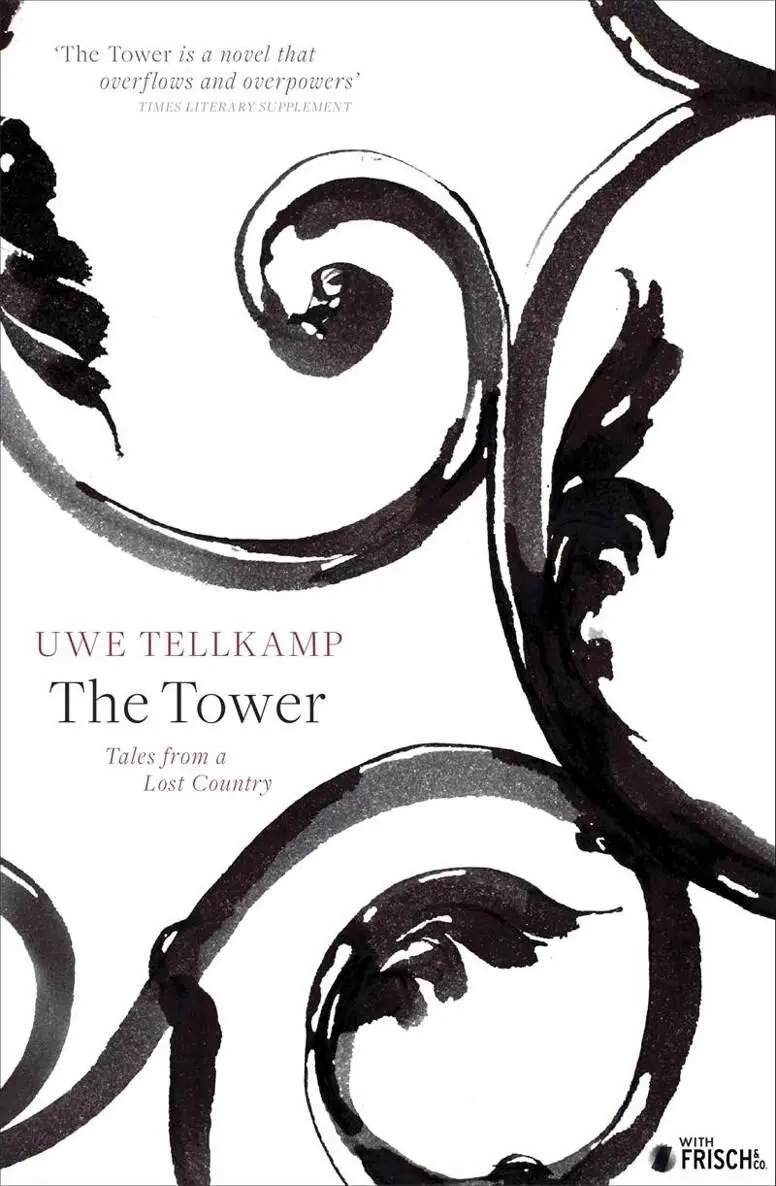
- Название:The Tower
- Автор:
- Издательство:Penguin
- Жанр:
- Год:2014
- ISBN:нет данных
- Рейтинг книги:5 / 5. Голосов: 1
-
Избранное:Добавить в избранное
- Отзывы:
-
Ваша оценка:
The Tower: краткое содержание, описание и аннотация
Предлагаем к чтению аннотацию, описание, краткое содержание или предисловие (зависит от того, что написал сам автор книги «The Tower»). Если вы не нашли необходимую информацию о книге — напишите в комментариях, мы постараемся отыскать её.
The Tower — читать онлайн бесплатно полную книгу (весь текст) целиком
Ниже представлен текст книги, разбитый по страницам. Система сохранения места последней прочитанной страницы, позволяет с удобством читать онлайн бесплатно книгу «The Tower», без необходимости каждый раз заново искать на чём Вы остановились. Поставьте закладку, и сможете в любой момент перейти на страницу, на которой закончили чтение.
Интервал:
Закладка:
‘What d’you think, from Wachendorf’s, of course, and all through personal connections, y’know. What’d we do without ’em, as my late husband used to say.’
‘You’re absolutely right there, my dear Frau Fiebig, ab-so-lutely right. You get out of your car, which doesn’t exist, go across to the shop and buy till your bags are bursting from the shelves creaking under the load of goods on offer, that’s life, isn’t it? I think we can regard that topic as closed, your very good health, Herr Pospischil, and no hard feelings, I hope.’
‘A company of ghosts,’ Hanna called the inhabitants of Guenon House, ‘I hope you’re not going to be part of it.’ The yellow fog drifted through their rooms, leached the substance out of the houses, made the Dresden sandstone porous, left a crust on the roofs, ate away at the chimneys, made the putty round the windows crumble, but the Tower-dwellers listened to Tannhäuser in seven different recordings and compared them to each other in order to argue about which was the best, the greatest, the most beautiful, the standard recording; they went over the measurements of the destroyed Courland Palace, in thought and on paper, while their apartments were decaying, the wood of the roof beams rotting, and that was something I knew from the whole city, this bullet-riddled baroque boat in the bathtub of the Elbe valley, this shimmering foetus trapped in the womb of its own, parallel time; everywhere I went it was the same: coffee morning, custard pie, OLD DRESDEN
Tannhäuser’s ship sailed away and Frau Fiebig made roses bloom just as others light candles, they were made of fabric, these roses, clouded in aromas of eau de Cologne, dust, furniture polish, the delicate pink had only survived in the shadow of the innermost petals, it was the colour of dancing shoes you find in the loft beside bundles of letters, pastel-coloured paper in lined envelopes held together with dried-up silk ribbons; the gesture of invitation with which Frau Fiebig showed her guests into the apartment made the flowers in the room burst open, made the crocheted antimacassars less distant, brought out the sweetness of the little porcelain chimney sweep, the flirtatious looks of the fake tomes in the bookcase beside the little cupboard in which Frau Fiebig kept her late husband’s war medals and chocolate sweets, they twined round the scores on the piano, their covers decorated with roguish little cherubs and arbours where kneeling huntsmen were singing their hearts out, they budded round the canaries’ cage, these fabric roses from the fancy-goods department of Renner’s store, where Cläre Fiebig had worked as a sales assistant; the guests were shown into the parlour, Herr Sandhaus, who worked on Coal Island for the council of the East District and perhaps therefore felt obliged to provide the Party newspaper, put a whole week’s copies of Neues Deutschland, neatly folded and smoothed out, tied across and down with string, on the part of the table intended for them, straightened up after a moment’s pause for thought, looked to see whether the chocolate girl in the reproduction over the cupboard was rousing herself from her motionless repose, stepped aside to allow Herr Adeling to place a week’s worth of Sächsische Zeitung on Neues Deutschland, the edges and folds perfectly lined up, then came Niklas with the slimmer Sächsisches Tageblatt , Lukas the tailor and his wife with the Sächsische Neueste Nachrichten , Herr Richter-Meinhold with the even slimmer redtop Junge Welt ; one kilogram of newspapers; ’s that everything? Frau Fiebig asked, concentrating as she checked them on her fingers while Herr Adeling put on his waiter’s gloves, straightened the stack of paper, tied it up, lifted the pile between thumb and forefinger and went over to the window, which Frau Fiebig opened, Herr Adeling’s outstretched arm, his left hand with the white glove, the package could be seen in the gathering dusk over the Lindwurmring, with hands joined at the fingertips and heads inclined, the company waited for Frau Fiebig’s grandfather clock to strike, ding dong, six o’clock, at the last stroke Herr Adeling’s fingers snapped open, the pile of newspapers thudded into the open dustbin outside the house, Frau Fiebig took off the tablecloth, Herr Adeling sketched a bow to the neighbours, patted his gloves to clean them before picking them off by the fingertips and putting them away, followed Frau Fiebig and the others as they went to wash their hands, filled glasses with liqueur and turned his attention to the geometry of the pieces of cake on the Meissen plate shimmering under the glass cover on the little cupboard, assessing their respective weight with a silver cake-slice; Herr Sandhaus brought the lectern (‘genuine Biedermeier!’), waited for Frau Fiebig, who put a lace cloth over it; she opened the Löffler and said, with the syllable-sculpting emphasis with which the Dresden bourgeoisie distinguish contempt from esteem, low from high, garbage from roses: Right. And no-w. We COME. To cul-chure .
The Tannhäuser caravel, Tannhäuser radio, echo-sounding the depths of time, black-and-yellow the record spindle .
Winter 1978/79: the central heating fails in Johannstadt and threatens to burst in the severe frost, people mock the confidence shining out of the black-and-white faces in the newspapers, curse the subbotnik , the work for the benefit of the community on Saturdays. Teams of the Free German Youth go out to open-cast mines in the Lausitz and help units of the National People’s Army bring in coal for Dresden .
‘They’re supposed to have three wagonloads. They say they’re supposed to come first. Specially to heat the Palace of Culture. Have you heard anything, Herr Tietze, after all you are involved?’ Herr Sandhaus rubs his hands. ‘I’ve actually managed to get two tickets.’
Niklas leans over the table, lifts his spoon over Black Forest cake and whispers, ‘Böhm’s going to conduct, his first public appearance with the State Orchestra here since forty-three. How humiliating if they can’t manage to heat the Palace of Culture.’
Frost patterns spread all over the stairs. Sleep. Sleep in winter, the cold sleep at the revolving records on which the hoar frost crackles. The lamps grate, they’re old, from before the war, the wires are worn and oxidized, in some houses in Neustadt they leave the bulbs on because they might not go on again if they’re switched off, a faint, flickering light in winter, and the whirr of the fan heaters, cubes swathed in cast-iron in which a wire twisted into a snake heats up until it’s red-hot, later there are the orange heaters from Hungary in the city’s bathrooms, kitchens, book-rooms smelling of ash .
Tannhäuser’s ship sailed away,
and Herr Richter-Meinhold, a gaunt man in his seventies, formerly a producer of maps, walkers’ maps among others (yellow-and-red covers, the paper mounted on linen, geographies you never heard about at school: the Hultschin country, the Iser mountains), that people guarded like treasures and that never stayed long in second-hand bookshops, especially when they showed the territory of the GDR (‘the only ones that aren’t falsified, you know!’); Herr Richter-Meinhold raised his hand (that Dresden gesture, that ‘that’s the way it is, I’m afraid, everything passes, we can’t do anything about it’) and said, ‘It’s really cold, like all those years ago, during the bombardment. By the way, Herr Tietze, Hauptmann’s later writings are full of hidden emeralds. Not necessarily diamonds. But certainly emeralds. I knew his secretary, Ehrhart Kästner. He was a librarian in the Japanese Palace and he lived up here. No one remembers.’
Читать дальшеИнтервал:
Закладка:
Похожие книги на «The Tower»
Представляем Вашему вниманию похожие книги на «The Tower» списком для выбора. Мы отобрали схожую по названию и смыслу литературу в надежде предоставить читателям больше вариантов отыскать новые, интересные, ещё непрочитанные произведения.







Обсуждение, отзывы о книге «The Tower» и просто собственные мнения читателей. Оставьте ваши комментарии, напишите, что Вы думаете о произведении, его смысле или главных героях. Укажите что конкретно понравилось, а что нет, и почему Вы так считаете.