Uwe Tellkamp - The Tower
Здесь есть возможность читать онлайн «Uwe Tellkamp - The Tower» весь текст электронной книги совершенно бесплатно (целиком полную версию без сокращений). В некоторых случаях можно слушать аудио, скачать через торрент в формате fb2 и присутствует краткое содержание. Год выпуска: 2014, Издательство: Penguin, Жанр: Современная проза, на английском языке. Описание произведения, (предисловие) а так же отзывы посетителей доступны на портале библиотеки ЛибКат.
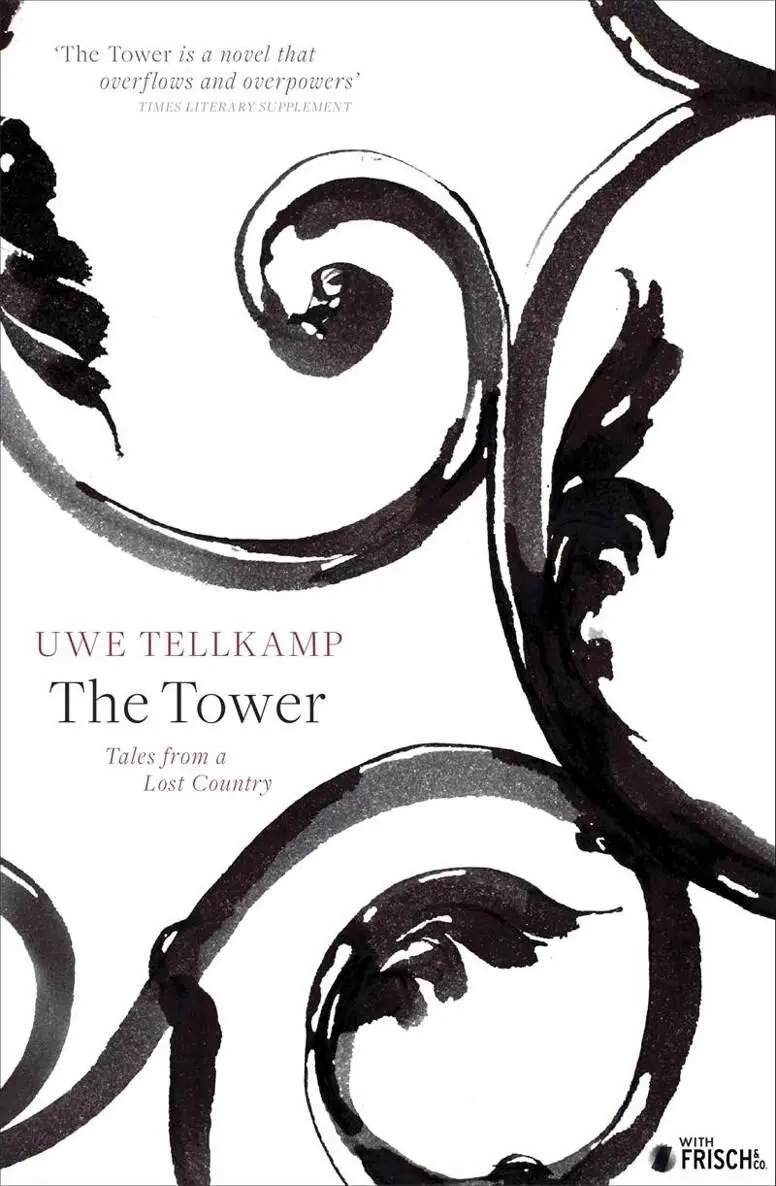
- Название:The Tower
- Автор:
- Издательство:Penguin
- Жанр:
- Год:2014
- ISBN:нет данных
- Рейтинг книги:5 / 5. Голосов: 1
-
Избранное:Добавить в избранное
- Отзывы:
-
Ваша оценка:
The Tower: краткое содержание, описание и аннотация
Предлагаем к чтению аннотацию, описание, краткое содержание или предисловие (зависит от того, что написал сам автор книги «The Tower»). Если вы не нашли необходимую информацию о книге — напишите в комментариях, мы постараемся отыскать её.
The Tower — читать онлайн бесплатно полную книгу (весь текст) целиком
Ниже представлен текст книги, разбитый по страницам. Система сохранения места последней прочитанной страницы, позволяет с удобством читать онлайн бесплатно книгу «The Tower», без необходимости каждый раз заново искать на чём Вы остановились. Поставьте закладку, и сможете в любой момент перейти на страницу, на которой закончили чтение.
Интервал:
Закладка:
… Atlantis, the contours of which Meno saw returning behind the rooms, a kind of parallel displacement, a flickering projection; the planks, uprights over the Rose Gorge, with a scab of barnacle-like rust, Grauleite was listening in with slowly rotating parabolic dishes, at that hour, when the wooden snow shovels had cleared the paths between the banks of dog roses and been knocked clean beside the snowed-in cars, pupils of the Louis Fürnberg High School were going to the funicular, throwing snowballs onto the roof of Arbogast’s little observatory, at the elegant black numerals of the white enamel oval house numbers — and Meno could hear, when the 11 wasn’t running and he had to use the funicular to go into town, the pupils in the car cheerfully prattling about football (Dynamo Dresden, BFC Dynamo): they were going to Helfenberg Manor Estate for a day’s ‘Instruction in Technical Production’, where they would assemble K-16 cameras, trying to match the standard time and get a good mark. And the elephant-backed dustcarts of the City Cleansing Department were grinding along the streets again, leaving snakes of ash beside their tyre-tracks. ‘Rice pudding with cinnamon’ the Dresdeners called it, glad that the dustcarts, with the coarse-mouthed dustmen on the boards under the dumping device, who were so good as to bowl the dented dustbins out of the yards — cleared and sanded, if you please — were running again; they were said to be the best-paid workers, supposedly earning more than a professor at the Technical University. Lange, wreathed in the smoke from his pungent cigars, muttered his lack of understanding for the overtones of envy in those rumours, reflected out loud on the due reward for hard work, before ringing Guenon House to see whether he should take a ‘decent bottle’ to Frau Fiebig’s rummy evening.
On the Wednesday after Richard’s birthday Meno decided to ask Madame Eglantine to remind him that on Friday he intended finally to start on his long-postponed winter washing. The winter washing! He dreaded the sight of the linen basket full of used sheets, and bed and cushion covers, which in the summer he could give to Anne and sometimes, if the washing machine was working, to Libussa — now in the winter that wasn’t possible, the women had enough to do with hunting for Christmas presents, baking biscuits, getting New Year firecrackers and sparklers. Madame Eglantine grinned as she reminded him and on Friday Meno went home with an uneasy feeling that he was faced with an impossible mountain to climb. Just his bad luck that that year the steam laundry wasn’t taking any more orders! The linen basket, woven out of willow with strengthening hoops, capaciously rotund, was sitting in one corner of his bedroom, brooding and full of malice. Meno dragged the basket over, tried to empty it out, but the washing was stuck as fast as a deep-lying boil. Once he’d managed to pull out the top layer the rest of the washing burst out onto the floor, spreading itself with a sigh of relief. Meno went down to the laundry room, a spark of hope still glowing, even as he opened the door, that Libussa’s washing machine had been repaired, but its place was empty, the Service Combine had been fiddling around with it since the summer washdays. Meno looked round. How he hated this subterranean chamber! He hated it with the hatred of the bachelor who wants to read and smoke a pipe on the balcony before strolling back to his warm living room, at ease and relaxed, at one with the world, sniffing the scent of fresh linen promising a night of sweet dreams. What was it Barbara had said? The washing would turn out whiter if it was soaked overnight. So, take hope and a few spoonfuls of Schneeberg Blue, and off you go into the lye, you children’s ghosts.
He woke at around four in the morning after a terrible nightmare: an incubus was squatting on him, a sheet-demon that kept calling for more and more linen to come flying through the air and, with a grin, piled it up on its back — though all that had happened was that Chakamankabudibaba had crept into his bed and stretched out on his stomach. There were fern-patterns of ice on the windows. Meno went down to the laundry room. The water in the tubs had frozen over. Taking the dolly, he smashed the layer of ice: the sheets floated round in the solution like frozen lumps of dried cod. Too early to light the stove; with weary, leaden steps, Meno went back to bed, even though he was tempted to pay his new neighbours back for their lack of consideration in knocking others up, for the repulsively triumphal radio music accompanying Honich’s bending and stretching before he slammed the front door to go out for his early-morning exercises. But even a combat group commander was exhausted by the winter; and after the Kaminski twins had also quarrelled with him Honich at least showed some consideration at weekends. Meno dreamt of being able to sleep … but Chakamankabudibaba was prowling round the bed, mewing, and upstairs Meno could hear Libussa, already busy with the coal scuttle for the bathroom stove. He dreamt of the laundry room … Saw the ox-like, hoop-bound washtubs, made by a cooper in a past age, quality workmanship the soap-manufacturer presumably thought he owed himself. They stood menacingly on their wooden stands over the drain that kept blocking. Then the male inhabitants of the house had to poke round in the darkness beneath them with long wires, hoping that the suds stuck there would find their way out to the pipes going down the garden slope … the toilets of the House with a Thousand Eyes also drained there and they, too, tended to get blocked. Stahl had explained that to Meno: if such pipes went down too steeply then the fluid quickly ran off but solids remained — and they had to rod them. For that purpose there were iron rods, about five metres long with hooks and eyes, and when Hanna and Meno had moved into the house the ship’s doctor had given them a short introductory course in the problems and peculiarities of life in an old building that hadn’t been renovated for decades. At the sight of the laundry room Hanna had just shaken her head in disbelief, until she’d got married her mother had done the washing for her and she knew nothing of unreliable ‘fully automatic’ washing machines, nothing of the tiny spin-dryers that consisted of a drum standing on end that was full with two towels and, when it was switched on by a plastic bow sticking out over the lid like a record arm, developed such dynamic imbalance that it started to move across the floor, the water came out of the drain-spout beside the basin and the spin-dryer pulled the plug out of the socket, thus switching itself off. Meno remembered Hanna going round the laundry room. The stove, made of bricks with a zinc tub let in, had to be fired up, each tenant taking the wood and briquettes out of their own allocation. There were a table, chunky slabs of soap, packets of powdered Schneeberger Blue that, according to the theory of complementary colours, was added as a whitener to washing that had yellowed. When clothes were being washed there was vapour, that warm, lethargic, cottony steam, saturated with moisture, that made your clothes stick to you, made breathing a struggle and the laundry room a tropical cavern, vapour that billowed up out of the boiler piping hot when, protected by rubber gloves, you lifted the wooden lid in order to use the dolly (Libussa called it a ‘butter paddle’) to stir the 95 °C sludge that had a steel thermometer, long, thin, as beautiful as a tailor’s yardstick, stuck in it. There was a washboard for shirts and underwear; Meno dreamt of scrubbing hands that, instead of soap bubbles, had plectrums growing out of their fingers, making the rasping rhythm for jazz … The inexorable chainsaw screech of his 3ap  alarm clock bit into his benumbed mind.
Интервал:
Закладка:
Похожие книги на «The Tower»
Представляем Вашему вниманию похожие книги на «The Tower» списком для выбора. Мы отобрали схожую по названию и смыслу литературу в надежде предоставить читателям больше вариантов отыскать новые, интересные, ещё непрочитанные произведения.








Обсуждение, отзывы о книге «The Tower» и просто собственные мнения читателей. Оставьте ваши комментарии, напишите, что Вы думаете о произведении, его смысле или главных героях. Укажите что конкретно понравилось, а что нет, и почему Вы так считаете.