Uwe Tellkamp - The Tower
Здесь есть возможность читать онлайн «Uwe Tellkamp - The Tower» весь текст электронной книги совершенно бесплатно (целиком полную версию без сокращений). В некоторых случаях можно слушать аудио, скачать через торрент в формате fb2 и присутствует краткое содержание. Год выпуска: 2014, Издательство: Penguin, Жанр: Современная проза, на английском языке. Описание произведения, (предисловие) а так же отзывы посетителей доступны на портале библиотеки ЛибКат.
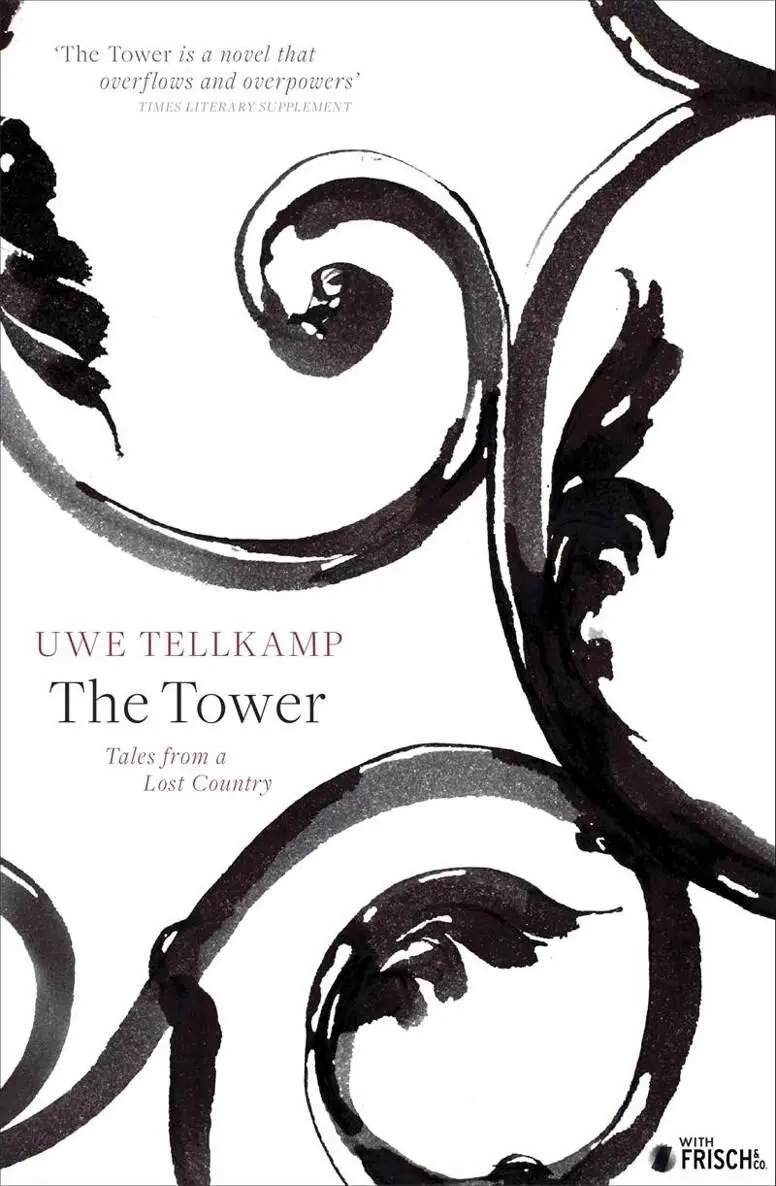
- Название:The Tower
- Автор:
- Издательство:Penguin
- Жанр:
- Год:2014
- ISBN:нет данных
- Рейтинг книги:5 / 5. Голосов: 1
-
Избранное:Добавить в избранное
- Отзывы:
-
Ваша оценка:
The Tower: краткое содержание, описание и аннотация
Предлагаем к чтению аннотацию, описание, краткое содержание или предисловие (зависит от того, что написал сам автор книги «The Tower»). Если вы не нашли необходимую информацию о книге — напишите в комментариях, мы постараемся отыскать её.
The Tower — читать онлайн бесплатно полную книгу (весь текст) целиком
Ниже представлен текст книги, разбитый по страницам. Система сохранения места последней прочитанной страницы, позволяет с удобством читать онлайн бесплатно книгу «The Tower», без необходимости каждый раз заново искать на чём Вы остановились. Поставьте закладку, и сможете в любой момент перейти на страницу, на которой закончили чтение.
Интервал:
Закладка:
The senior high and its problems, the final exams preceded by weeks of revision, their fear of the teaching staff in overheated classrooms when they were called in for an oral exam, the discussions with Reina, Falk and Jens by Kaltwasser reservoir all seemed to be in the distant past; his sense of time said: in another life. Had he ever passed the school-leaving exam? Sat in a classroom, in civilian clothing and wearing slippers, bent over a book or a sheet of paper? In another life. A barrier had come down between there and here. Even though he was tired, it hurt when he closed his eyes; a salty pain; but out of habit the inner drive inside his body that was ready for, thirsting for sleep rolled on, could not suddenly halt. In his mind’s eye he saw Burre, his reserved expression, trying for dignity; he was tormented by the way they treated Burre. It wasn’t fair … Fair, fair! came the mocking echo from the dark corner of the room where Musca and Wanda had long been gathered into the claws of a wheezing but in its way caring night deity. What could one do? What can I do? –
Write a report. Describe everything, the conditions here, the reality. Submit it to the Minister of National Defence or, even more effective, straight to the First Secretary personally. They said that such reports were considered … But the postboxes were under observation, especially here in the regiment. And if his complaints were actually checked, Nip would build a pretty Potemkin village, the inhabitants would have snow-white collar binds, clean fingernails; they would all be entirely satisfied comrades (‘I am serving the German Democratic Republic,’ was the prescribed formula) and on that day a soldier like Burre would have been sent on leave. And once the inspectors had left, shaking their heads at the completely unfounded, slanderous accusations of that Private Hoffmann …
The sound of caterpillar tracks from outside, at the entrance to the technical area: the 3rd Battalion returning from an exercise. Was that someone coughing outside? Nip, perhaps, with his ‘drake’? Christian felt restless, got up again. The corridor was empty, gleaming from the evening exertions of the floor-polisher’s barbels; the duty guard’s table was floating, like a tiny island with a yellow position light, in the darkness by the stairs; Costa was sitting there reading.
There was no light on in the toilets. Christian could feel that there was someone there, he had a sixth sense for it, could tell by looking at them whether postboxes were full or not (an ‘aura’, something or other left over from the postman, a change, no greater than an eyelash, in the resonance of the postbox interior, the echo of the clank of the flap?); he could tell by looking at an ice cream whether it contained too much milk fat and he wouldn’t like it; he sensed that someone was sitting in the cubicle by the window, motionless, probably holding his breath, his eyes scouring the tiny gloom over the top of the door; and he sensed that it was Burre. He went into the cubicle next to it, waited.
‘Christian?’
‘I wanted to ask you something, Jan. — Can I do anything for you? I have an uncle, he knows people.’
‘Why don’t you ask him for yourself? I don’t need help.’
‘So you don’t want me to?’
‘I can look after myself. — Makes you feel good, does it? Why do you laugh at my poems?’
Pause; but Christian didn’t want to chicken out. ‘Because they’re not very good — I think. I don’t laugh at them.’
Burre remained silent, there was a rustle of paper, a streak of brightness stabbed across the floor. ‘I know they’re not any good.’
‘My uncle’s a publisher’s editor, perhaps he can help you?’
‘But they’re all I’ve got.’ When boots were heard outside, Burre switched off his torch. Then it was quiet again, Costa must have been stretching his legs. ‘I’d like to be your friend.’
Christian, only wearing his thin pyjamas, started to shiver with cold. ‘This Pancake … perhaps we could make a complaint somewhere?’
‘Perhaps I’ll kill him, one day,’ Burre mused. ‘As his “slave” I get to know him better than he does me, and eventually, perhaps, when he’s asleep … I don’t care. I’m fed up to here, sometimes I just can’t take any more …’ Burre was speaking rapidly, in a strained voice, full of hatred. ‘And at the works they work themselves to the bone, everything to meet the plan’s targets and when my mother comes home she’s so exhausted she falls asleep in front of the television …’
‘Jan, I won’t tell on you, but be careful.’
‘Yes, I thought you wouldn’t do that. — Go now, I’d like to be on my own for a bit. — Thanks.’
Christian didn’t ask what he was thanking him for. On one of the next days there was PNP — preparation for a new period of operation: tank tracks were lying on the ground outside the shed like the dried-up skins of a colony of dragons — he saw Burre outside the regimental office, looking round hastily. He seemed not see Christian, went into the building.
51. In the Valley of the Clueless
November: in the evening, after periods on duty, the operations, Richard began to be more aware of his body than usual. His arm and hand were sore, also the spot on his thigh where the skin transplant had been taken from. Something inside him seemed to slip out of position on these short, waxy days that turned over sluggishly, in a flat trajectory, not properly born and heading for an early, rain-pale death; he didn’t like this epoch of grey skies (even if the days themselves were short, the time they added up to was not, and the year seemed to have two clocks: a small one for blossom, spring and summer — and a big one with the slow, dream-damp November numbers on its face); he became morose in the atmosphere of ill-temper and keeping one’s head down (would they ever disappear, these brown and grey coats with turn-up collars and pockets your arms went into up to the elbows, making him feel impolite when he encountered an acquaintance and held out his hand to him); and in contrast to Meno, who particularly liked going for walks at this time (hat, pipe, scarf, sniffles and memories), the town held no attraction for him either, the slimy streets, houses deadened by catarrh. He was depressed by the ruins, the Frauenkirche, the castle, Taschenberg Palace, Rampische Gasse, which was tumbling down, all said out loud that Dresden was a shadow of its former self, destroyed, sick. The weeds grew rampant on the huge, wind-blown patches of waste ground in the city, in the new districts the pavements and roads were unrecognizable under layers of mire and mud. Rain … In the seeping damp, soaking the finest pores, sieved by the roofs and strained into metronomic drips, the Neustadt houses were like rotting ships. The façades broke out in a pre-winter sweat, the cold sweat of a moribund town, with no official approval … In the art gallery it clung to the walls in a greasy film, removed Giorgione’s Venus to an inaccessible distance, overlaid the joys of the flesh in the Rubens scenes with melancholy, gave Heda’s blackberry pie a withered look, even the roguish faces of the chubby-cheeked cherubs below the Sistine Madonna suffered that too. Mist hung over the meadows by the Elbe. The side roads in the Academy were sodden, the fountains switched off. When Richard came back from a consultation, he looked up at the Academy buildings in Fetscherstrasse, wondered what the sandstone volutes on the roofs reminded him of (the wigs of English judges — he kept on forgetting and that annoyed him!), looked at the lamps, which were on all the time now, like metabolizing leucocytes appearing or disappearing in the glassy-thin, creeping blood vessels of the park trees.
Читать дальшеИнтервал:
Закладка:
Похожие книги на «The Tower»
Представляем Вашему вниманию похожие книги на «The Tower» списком для выбора. Мы отобрали схожую по названию и смыслу литературу в надежде предоставить читателям больше вариантов отыскать новые, интересные, ещё непрочитанные произведения.





Обсуждение, отзывы о книге «The Tower» и просто собственные мнения читателей. Оставьте ваши комментарии, напишите, что Вы думаете о произведении, его смысле или главных героях. Укажите что конкретно понравилось, а что нет, и почему Вы так считаете.