Теодор Драйзер - The Genius
Здесь есть возможность читать онлайн «Теодор Драйзер - The Genius» весь текст электронной книги совершенно бесплатно (целиком полную версию без сокращений). В некоторых случаях можно слушать аудио, скачать через торрент в формате fb2 и присутствует краткое содержание. Год выпуска: 2014, Издательство: epubBooks Classics, Жанр: Классическая проза, на английском языке. Описание произведения, (предисловие) а так же отзывы посетителей доступны на портале библиотеки ЛибКат.
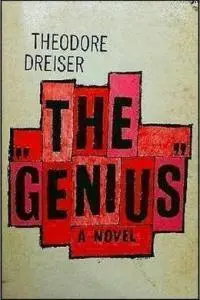
- Название:The Genius
- Автор:
- Издательство:epubBooks Classics
- Жанр:
- Год:2014
- ISBN:нет данных
- Рейтинг книги:4 / 5. Голосов: 1
-
Избранное:Добавить в избранное
- Отзывы:
-
Ваша оценка:
The Genius: краткое содержание, описание и аннотация
Предлагаем к чтению аннотацию, описание, краткое содержание или предисловие (зависит от того, что написал сам автор книги «The Genius»). Если вы не нашли необходимую информацию о книге — напишите в комментариях, мы постараемся отыскать её.
The Genius — читать онлайн бесплатно полную книгу (весь текст) целиком
Ниже представлен текст книги, разбитый по страницам. Система сохранения места последней прочитанной страницы, позволяет с удобством читать онлайн бесплатно книгу «The Genius», без необходимости каждый раз заново искать на чём Вы остановились. Поставьте закладку, и сможете в любой момент перейти на страницу, на которой закончили чтение.
Интервал:
Закладка:
When the time came, M. Charles was so kind as to send for the pictures and to arrange all the details. He had decided with Eugene that because of the vigor of treatment and the prevailing color scheme black frames would be the best. The principal exhibition room on the ground floor in which these paintings were to be hung was heavily draped in red velvet and against this background the different pictures stood out effectively. Eugene visited the show room at the time the pictures were being hung, with Angela, with Smite and MacHugh, Shotmeyer and others. He had long since notified Norma Whitmore and Miriam Finch, but not the latter until after Wheeler had had time to tell her. This also chagrined her, for she felt in this as she had about his marriage, that he was purposely neglecting her.
The dream finally materialized—a room eighteen by forty, hung with dark red velvet, irradiated with a soft, illuminating glow from hidden lamps in which Eugene's pictures stood forth in all their rawness and reality—almost as vigorous as life itself. To some people, those who do not see life clearly and directly, but only through other people's eyes, they seemed more so.
For this reason Eugene's exhibition of pictures was an astonishing thing to most of those who saw it. It concerned phases of life which in the main they had but casually glanced at, things which because they were commonplace and customary were supposedly beyond the pale of artistic significance. One picture in particular, a great hulking, ungainly negro, a positively animal man, his ears thick and projecting, his lips fat, his nose flat, his cheek bones prominent, his whole body expressing brute strength and animal indifference to dirt and cold, illustrated this point particularly. He was standing in a cheap, commonplace East Side street. The time evidently was a January or February morning. His business was driving an ash cart, and his occupation at the moment illustrated by the picture was that of lifting a great can of mixed ashes, paper and garbage to the edge of the ungainly iron wagon. His hands were immense and were covered with great red patched woolen and leather gloves—dirty, bulbous, inconvenient, one would have said. His head and ears were swaddled about by a red flannel shawl or strip of cloth which was knotted under his pugnacious chin, and his forehead, shawl and all, surmounted by a brown canvas cap with his badge and number as a garbage driver on it. About his waist was tied a great piece of rough coffee sacking and his arms and legs looked as though he might have on two or three pairs of trousers and as many vests. He was looking purblindly down the shabby street, its hard crisp snow littered with tin cans, paper, bits of slop and offal. Dust—gray ash dust, was flying from his upturned can. In the distance behind him was a milk wagon, a few pedestrians, a little thinly clad girl coming out of a delicatessen store. Over head were dull small–paned windows, some shutters with a few of their slats broken out, a frowsy headed man looking out evidently to see whether the day was cold.
Eugene was so cruel in his indictment of life. He seemed to lay on his details with bitter lack of consideration. Like a slavedriver lashing a slave he spared no least shade of his cutting brush. "Thus, and thus and thus" (he seemed to say) "is it." "What do you think of this? and this? and this?"
People came and stared. Young society matrons, art dealers, art critics, the literary element who were interested in art, some musicians, and, because the newspapers made especial mention of it, quite a number of those who run wherever they imagine there is something interesting to see. It was quite a notable two weeks' display. Miriam Finch (though she never admitted to Eugene that she had seen it—she would not give him that satisfaction) Norma Whitmore, William McConnell, Louis Deesa, Owen Overman, Paynter Stone, the whole ruck and rabble of literary and artistic life, came. There were artists of great ability there whom Eugene had never seen before. It would have pleased him immensely if he had chanced to see several of the city's most distinguished social leaders looking, at one time and another, at his pictures. All his observers were astonished at his virility, curious as to his personality, curious as to what motive, or significance, or point of view it might have. The more eclectically cultured turned to the newspapers to see what the art critics would say of this—how they would label it. Because of the force of the work, the dignity and critical judgment of Kellner and Son, the fact that the public of its own instinct and volition was interested, most of the criticisms were favorable. One art publication, connected with and representative of the conservative tendencies of a great publishing house, denied the merit of the collection as a whole, ridiculed the artist's insistence on shabby details as having artistic merit, denied that he could draw accurately, denied that he was a lover of pure beauty, and accused him of having no higher ideal than that of desire to shock the current mass by painting brutal things brutally.
"Mr. Witla," wrote this critic, "would no doubt be flattered if he were referred to as an American Millet. The brutal exaggeration of that painter's art would probably testify to him of his own merit. He is mistaken. The great Frenchman was a lover of humanity, a reformer in spirit, a master of drawing and composition. There was nothing of this cheap desire to startle and offend by what he did. If we are to have ash cans and engines and broken–down bus–horses thrust down our throats as art, Heaven preserve us. We had better turn to commonplace photography at once and be done with it. Broken window shutters, dirty pavements, half frozen ash cart drivers, overdrawn, heavily exaggerated figures of policemen, tenement harridans, beggars, panhandlers, sandwich men—of such is Art according to Eugene Witla."
Eugene winced when he read this. For the time being it seemed true enough. His art was shabby. Yet there were others like Luke Severas who went to the other extreme.
"A true sense of the pathetic, a true sense of the dramatic, the ability to endow color—not with its photographic value, though to the current thought it may seem so—but with its higher spiritual significance; the ability to indict life with its own grossness, to charge it prophetically with its own meanness and cruelty in order that mayhap it may heal itself; the ability to see wherein is beauty—even in shame and pathos and degradation; of such is this man's work. He comes from the soil apparently, fresh to a great task. There is no fear here, no bowing to traditions, no recognition of any of the accepted methods. It is probable that he may not know what the accepted methods are. So much the better. We have a new method. The world is the richer for that. As we have said before, Mr. Witla may have to wait for his recognition. It is certain that these pictures will not be quickly purchased and hung in parlors. The average art lover does not take to a new thing so readily. But if he persevere, if his art does not fail him, his turn will come. It cannot fail. He is a great artist. May he live to realize it consciously and in his own soul."
Tears leaped to Eugene's eyes when he read this. The thought that he was a medium for some noble and super–human purpose thickened the cords in his throat until they felt like a lump. He wanted to be a great artist, he wanted to be worthy of the appreciation that was thus extended to him. He thought of all the writers and artists and musicians and connoisseurs of pictures who would read this and remember him. It was just possible that from now onwards some of his pictures would sell. He would be so glad to devote himself to this sort of thing—to quit magazine illustration entirely. How ridiculous the latter was, how confined and unimportant. Henceforth, unless driven by sheer necessity, he would do it no more. They should beg in vain. He was an artist in the true sense of the word—a great painter, ranking with Whistler, Sargent, Velasquez and Turner. Let the magazines with their little ephemeral circulation go their way. He was for the whole world.
Читать дальшеИнтервал:
Закладка:
Похожие книги на «The Genius»
Представляем Вашему вниманию похожие книги на «The Genius» списком для выбора. Мы отобрали схожую по названию и смыслу литературу в надежде предоставить читателям больше вариантов отыскать новые, интересные, ещё непрочитанные произведения.




Обсуждение, отзывы о книге «The Genius» и просто собственные мнения читателей. Оставьте ваши комментарии, напишите, что Вы думаете о произведении, его смысле или главных героях. Укажите что конкретно понравилось, а что нет, и почему Вы так считаете.