Carlos Drummond de Andrade - Multitudinous Heart
Здесь есть возможность читать онлайн «Carlos Drummond de Andrade - Multitudinous Heart» весь текст электронной книги совершенно бесплатно (целиком полную версию без сокращений). В некоторых случаях можно слушать аудио, скачать через торрент в формате fb2 и присутствует краткое содержание. Год выпуска: 2015, Издательство: Farrar, Straus and Giroux, Жанр: Поэзия, на английском языке. Описание произведения, (предисловие) а так же отзывы посетителей доступны на портале библиотеки ЛибКат.
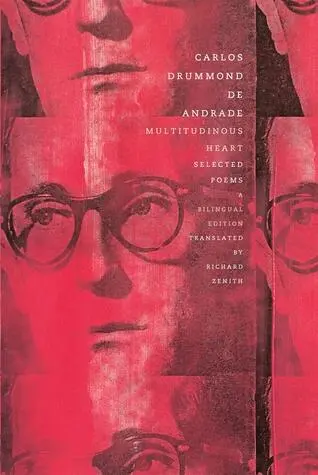
- Название:Multitudinous Heart
- Автор:
- Издательство:Farrar, Straus and Giroux
- Жанр:
- Год:2015
- ISBN:нет данных
- Рейтинг книги:4 / 5. Голосов: 1
-
Избранное:Добавить в избранное
- Отзывы:
-
Ваша оценка:
Multitudinous Heart: краткое содержание, описание и аннотация
Предлагаем к чтению аннотацию, описание, краткое содержание или предисловие (зависит от того, что написал сам автор книги «Multitudinous Heart»). Если вы не нашли необходимую информацию о книге — напишите в комментариях, мы постараемся отыскать её.
Brazil, according to no less an observer than Elizabeth Bishop, is a place where poets hold a place of honor. "Among men, the name of ‘poet' is sometimes used as a compliment or term of affection, even if the person referred to is. . not a poet at all. One of the most famous twentieth-century poets, Manuel Bandeira, was presented with a permanent parking space in front of his apartment house in Rio de Janeiro, with an enamelled sign POETA — although he never owned a car and didn't know how to drive." In a culture like this, it is difficult to underestimate the importance of the nation's greatest poet, Carlos Drummond de Andrade.
Drummond, the most emblematic Brazilian poet, was a master of transforming the ordinary world, through language, into the sublime. His poems — musical protests, twisted hymns, dissonant celebrations of imperfection — are transcriptions of life itself recorded by a magnanimous outcast. As he put it in his "Seven-Sided Poem": "When I was born, one of those twisted / angels who live in the shadows said: / ‘Carlos, get ready to be a misfit in life!'. . World so wide, world so large, / my heart's even larger."
Multitudinous Heart, the most generous selection of Drummond's poems available in English, gathers work from the various phases of this restless, brilliant modernist. Richard Zenith's selection and translation brings us a more vivid and surprising poet than we knew.
Multitudinous Heart — читать онлайн бесплатно полную книгу (весь текст) целиком
Ниже представлен текст книги, разбитый по страницам. Система сохранения места последней прочитанной страницы, позволяет с удобством читать онлайн бесплатно книгу «Multitudinous Heart», без необходимости каждый раз заново искать на чём Вы остановились. Поставьте закладку, и сможете в любой момент перейти на страницу, на которой закончили чтение.
Интервал:
Закладка:
Nossa mãe, esse vestido
tanta renda, esse segredo!
Minhas filhas, escutai
palavras de minha boca.
Era uma dona de longe,
vosso pai enamorou-se.
E ficou tão transtornado,
se perdeu tanto de nós,
se afastou de toda vida,
se fechou, se devorou,
chorou no prato de carne,
bebeu, brigou, me bateu,
me deixou com vosso berço,
foi para a dona de longe,
mas a dona não ligou.
Em vão o pai implorou.
Dava apólice, fazenda,
dava carro, dava ouro,
beberia seu sobejo,
lamberia seu sapato.
Mas a dona nem ligou.
Então vosso pai, irado,
me pediu que lhe pedisse,
a essa dona tão perversa,
que tivesse paciência
e fosse dormir com ele …
Nossa mãe, por que chorais?
Nosso lenço vos cedemos.
Minhas filhas, vosso pai
chega ao pátio. Disfarcemos.
Nossa mãe, não escutamos
pisar de pé no degrau.
Minhas filhas, procurei
aquela mulher do demo.
E lhe roguei que aplacasse
de meu marido a vontade.
Eu não amo teu marido,
me falou ela se rindo.
Mas posso ficar com ele
se a senhora fizer gosto,
só pra lhe satisfazer,
não por mim, não quero homem.
Olhei para vosso pai,
os olhos dele pediam.
Olhei para a dona ruim,
os olhos dela gozavam.
O seu vestido de renda,
de colo mui devassado,
mais mostrava que escondia
as partes da pecadora.
Eu fiz meu pelo-sinal,
me curvei … disse que sim.
Saí pensando na morte,
mas a morte não chegava.
Andei pelas cinco ruas,
passei ponte, passei rio,
visitei vossos parentes,
não comia, não falava,
tive uma febre terçã,
mas a morte não chegava.
Fiquei fora de perigo,
fiquei de cabeça branca,
perdi meus dentes, meus olhos,
costurei, lavei, fiz doce,
minhas mãos se escalavraram,
meus anéis se dispersaram,
minha corrente de ouro
pagou conta de farmácia.
Vosso pai sumiu no mundo.
O mundo é grande e pequeno.
Um dia a dona soberba
me aparece já sem nada,
pobre, desfeita, mofina,
com sua trouxa na mão.
Dona, me disse baixinho,
não te dou vosso marido,
que não sei onde ele anda.
Mas te dou este vestido,
última peça de luxo
que guardei como lembrança
daquele dia de cobra,
da maior humilhação.
Eu não tinha amor por ele,
ao depois amor pegou.
Mas então ele enjoado
confessou que só gostava
de mim como eu era dantes.
Me joguei a suas plantas,
fiz toda sorte de dengo,
no chão rocei minha cara,
me puxei pelos cabelos,
me lancei na correnteza,
me cortei de canivete,
me atirei no sumidouro,
bebi fel e gasolina,
rezei duzentas novenas,
dona, de nada valeu:
vosso marido sumiu.
Aqui trago minha roupa
que recorda meu malfeito
de ofender dona casada
pisando no seu orgulho.
Recebei esse vestido
e me dai vosso perdão.
Olhei para a cara dela,
quede os olhos cintilantes?
quede graça de sorriso,
quede colo de camélia?
quede aquela cinturinha
delgada como jeitosa?
quede pezinhos calçados
com sandálias de cetim?
Olhei muito para ela,
boca não disse palavra.
Peguei o vestido, pus
nesse prego da parede.
Ela se foi de mansinho
e já na ponta da estrada
vosso pai aparecia.
Olhou pra mim em silêncio,
mal reparou no vestido
e disse apenas: Mulher,
põe mais um prato na mesa.
Eu fiz, ele se assentou,
comeu, limpou o suor,
era sempre o mesmo homem,
comia meio de lado
e nem estava mais velho.
O barulho da comida
na boca, me acalentava,
me dava uma grande paz,
um sentimento esquisito
de que tudo foi um sonho,
vestido não há … nem nada.
Minhas filhas, eis que ouço
vosso pai subindo a escada.
STORY OF THE DRESS
Mother, whose dress is that,
hanging on that nail?
Daughters, that’s the dress
of a woman who passed.
When did she pass, Mother?
Was she someone we knew?
Daughters, be still,
your father’s almost here.
Mother, tell us quickly
whose dress is that dress.
Dear daughters, the body
that wore it is cold.
That dress, on that nail,
is dead, in peace.
Dear mother, that dress,
so much lace, that secret!
Dear daughters, listen
to the words from my lips.
Your father fell in love
with a woman from far away.
And he so lost his senses
that he forgot all about us,
forgot about all life,
closed up, consumed himself.
He cried on his plate of meat,
he drank, he quarreled and beat me,
and he left me with your cradle
for the woman from far away,
but the woman was indifferent.
In vain your father implored.
He’d give her a farm, a car,
his life insurance, gold,
he’d drink her dregs,
he’d lick her shoes.
But the woman was indifferent.
And so your father, enraged,
asked me to ask her,
that perverse woman,
if she would be forbearing
and go to bed with him …
Mother, why are you crying?
Take our handkerchief.
Daughters, let’s act normal,
your father’s in the courtyard.
Mother, we don’t hear
any feet on the stairs.
Daughters, I went and found
that woman of the devil.
And I begged her to quench
my husband’s desire.
I don’t love your husband,
she said to me, laughing,
but if it’s your wish,
I can stay with him,
to please you, not me,
as I don’t want a man.
I looked at your father,
whose eyes were pleading.
I looked at the vile woman,
whose eyes were smirking.
Her fancy lace dress,
with its neck cut very low,
showed more than it hid
of that sinner woman’s body.
I crossed myself,
I bowed … said yes.
I left thinking of death,
but death didn’t come.
I walked the five streets,
I crossed the bridge, the river,
I went to see your relatives,
I didn’t eat or talk,
I caught a malarial fever,
but death didn’t come.
My life was out of danger,
my hair turned white,
I lost my teeth, my eyesight,
I sewed, washed clothes, made sweets,
my hands turned red and raw,
I gave up all my rings,
my gold chain paid
the pharmacy bill.
Your father was lost in the world.
The world is large and small.
One day the haughty woman
showed up with nothing to show,
poor, broken, hapless,
her bundle in her hand.
Madam, she said softly,
your husband I can’t give you,
I don’t know where he is.
But I’m giving you this dress,
my last piece of finery,
which I kept as a reminder
of that day of the serpent,
that great humiliation.
At first I didn’t love him,
love came to me later.
But then he lost all interest,
admitting he only liked me
the way I was before.
I threw myself at his feet,
used every charm I knew,
rubbed my face in the ground,
pulled on my hair,
jumped into the stream,
cut myself with a penknife,
hurled myself into the sewer,
drank gall and gasoline,
prayed two hundred novenas,
all in vain. Your husband,
madam, has vanished.
Here’s the piece of clothing
that recalls my wrongful deed
of demeaning a married woman
by trampling her pride.
Take from me this dress
Читать дальшеИнтервал:
Закладка:
Похожие книги на «Multitudinous Heart»
Представляем Вашему вниманию похожие книги на «Multitudinous Heart» списком для выбора. Мы отобрали схожую по названию и смыслу литературу в надежде предоставить читателям больше вариантов отыскать новые, интересные, ещё непрочитанные произведения.




Обсуждение, отзывы о книге «Multitudinous Heart» и просто собственные мнения читателей. Оставьте ваши комментарии, напишите, что Вы думаете о произведении, его смысле или главных героях. Укажите что конкретно понравилось, а что нет, и почему Вы так считаете.