Reif Larsen - I Am Radar
Здесь есть возможность читать онлайн «Reif Larsen - I Am Radar» весь текст электронной книги совершенно бесплатно (целиком полную версию без сокращений). В некоторых случаях можно слушать аудио, скачать через торрент в формате fb2 и присутствует краткое содержание. Год выпуска: 2015, Издательство: Penguin Press, Жанр: Современная проза, на английском языке. Описание произведения, (предисловие) а так же отзывы посетителей доступны на портале библиотеки ЛибКат.
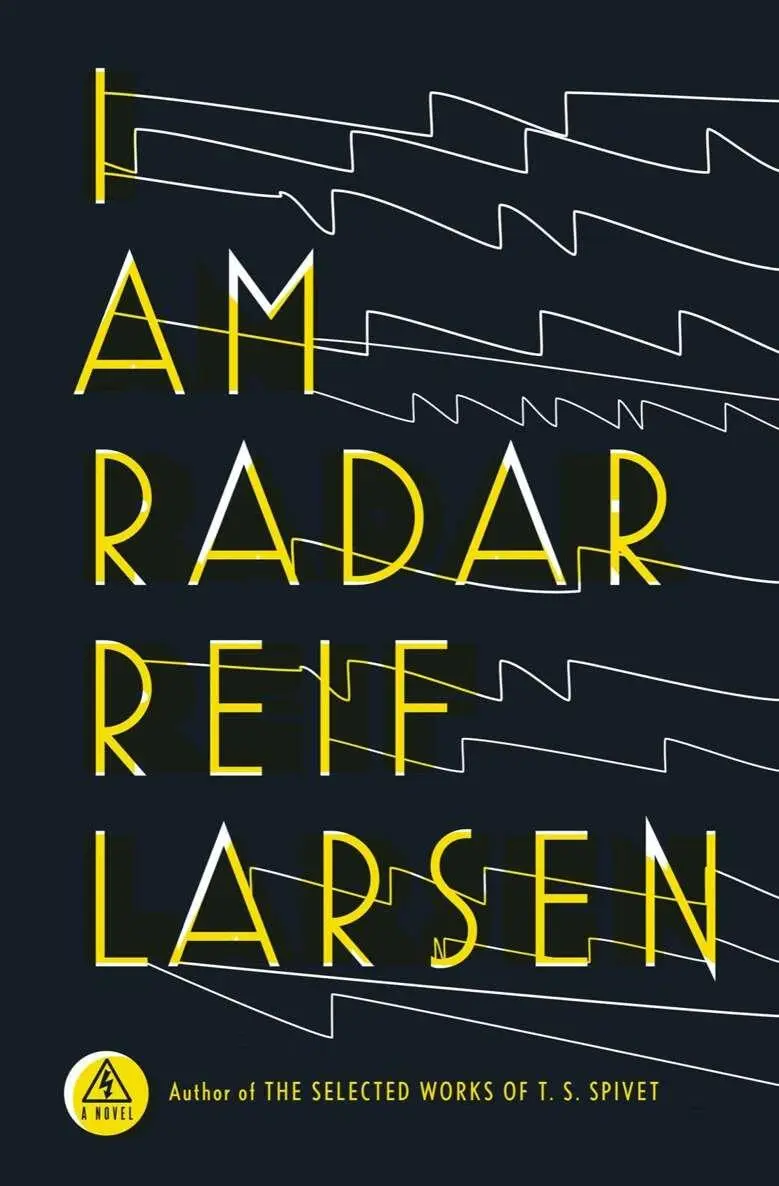
- Название:I Am Radar
- Автор:
- Издательство:Penguin Press
- Жанр:
- Год:2015
- ISBN:нет данных
- Рейтинг книги:3 / 5. Голосов: 1
-
Избранное:Добавить в избранное
- Отзывы:
-
Ваша оценка:
I Am Radar: краткое содержание, описание и аннотация
Предлагаем к чтению аннотацию, описание, краткое содержание или предисловие (зависит от того, что написал сам автор книги «I Am Radar»). Если вы не нашли необходимую информацию о книге — напишите в комментариях, мы постараемся отыскать её.
I Am Radar Deep in arctic Norway, a cadre of Norwegian schoolteachers is imprisoned during the Second World War. Founding a radical secret society that will hover on the margins of recorded history for decades to come, these schoolteachers steal radioactive material from a hidden Nazi nuclear reactor and use it to stage a surreal art performance on a frozen coastline. This strange society appears again in the aftermath of Cambodia’s murderous Khmer Rouge regime, when another secret performance takes place but goes horrifically wrong. Echoes of this disaster can be heard during the Yugoslavian wars, when an avant-garde puppeteer finds himself trapped inside Belgrade while his brother serves in the genocidal militia that attacks Srebrenica. Decades later, in the war-torn Congo, a disfigured literature professor assembles the largest library in the world even as the country around him collapses. All of these stories are linked by Radar — now a gifted radio operator living in the New Jersey Meadowlands — who struggles with love, a set of hapless parents,and a terrible medical affliction that he has only just begun to comprehend.
I Am Radar — читать онлайн бесплатно полную книгу (весь текст) целиком
Ниже представлен текст книги, разбитый по страницам. Система сохранения места последней прочитанной страницы, позволяет с удобством читать онлайн бесплатно книгу «I Am Radar», без необходимости каждый раз заново искать на чём Вы остановились. Поставьте закладку, и сможете в любой момент перейти на страницу, на которой закончили чтение.
Интервал:
Закладка:
“Some boats are born this way,” said the captain. “Some boats learn their misery. She was put on the blocks for two years in Quanzhou, and now she trusts no one.” He was rubbing his hands together in slow, languid circles, as if savoring a piece of music that had only just finished.
“‘She trust no one,’” Otik repeated. “What does this mean? This is something you say and everybody says ‘Okay, yes,’ but actually no one knows what in fuck you are talking about.”
“The sea takes back everything she gives,” said Captain Daneri, clearly enjoying himself. He tapped the toe of his boot against one of the kidney-shaped bollards that secured his ship. “She signs no allegiance. She has no kin, keeps no kin, owes no favors.”
Radar noticed the captain swaying ever so slightly. He had the sudden urge to reach out and steady him.
Otik scoffed. “This is man who will take us to Africa? Oh, please . We make some more chance to swim there.”
Lars stepped in, placing a hand on Otik’s shoulder.
“Apologies, Captain. We’re all a little tired,” he said. “What he means to say is only that we’re transporting valuable cargo and want to make sure the ship’s seaworthy.”
Captain Daneri’s face grew suddenly serious.
“You see these boxes?” he said, gesturing at the rows and rows of multicolored containers stacked four high across the deck of the ship. “This is the new world. These boxes disrupt space and time. The world is now inside the box.”
“I don’t know about you,” Otik said to Lars. “But if I’m going to die, I choose to die maybe somewhere in the jungle, on land, not in middle of fucking ocean.”
“All right, calm down,” said Lars. “I happen to agree with the captain. One could make the argument that the world is inside the box.”
“If it makes you feel better, I’ve never lost one,” said the captain. “There once was a group of pirates in Lagos who snuck aboard my ship. They went for one of the boxes sitting on the deck. They didn’t know what was inside; they just went for the nearest one with a crowbar. And do you know what they found? Horses. Thoroughbreds . We were bringing them down to a race in South Africa. Their trainer was upstairs asleep at the time. But can you imagine? The pirates open this box, they are like boys at Christmas, and what do they find? Horses .”
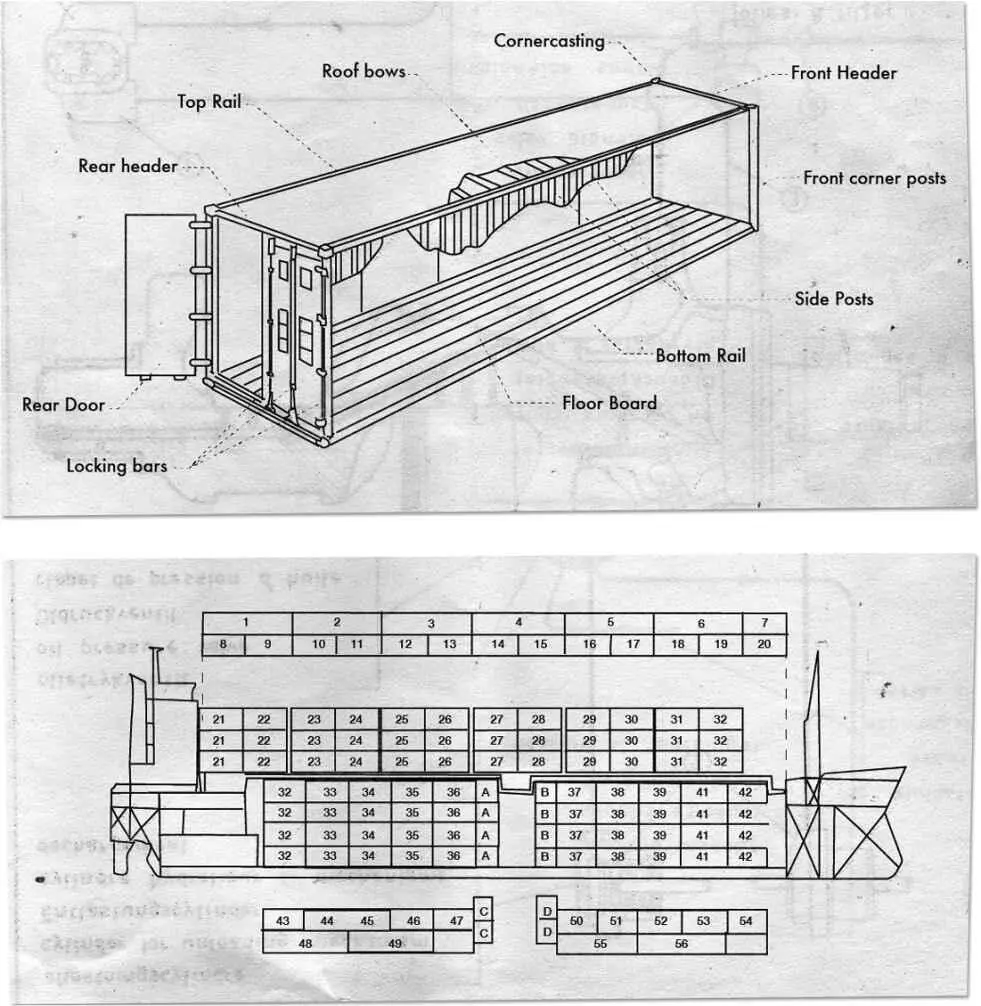
Fig. 5.1. “Parts of Shipping Container” and “How to Load a Ship”
From Peels, S. (1999), A Short History of Deliverance, pp. 69, 83
“You transport horses?” asked Radar.
“Oh, no. Not anymore.”
“So what happened?”
“It was very unfortunate. The horses got loose on the deck. One of the animals went overboard. Another broke its leg. A terrible shame. I had to shoot the beast in the head with a pistol. It looked at me, very calm. It knew what must be done.”
“And what about pirates?” said Otik.
“Oh, we caught them. I showed them the box and I said, ‘You will never touch another box again.’ And then I tied their feet together and I said, ‘Go find me that horse,’ and I pushed them off my ship.”
“You killed them,” said Otik.
“No, no, no,” laughed the captain. “I gave them the gift of the sea.” He made a fist with his hand and kissed it.
• • •
THEY WERE THE ONLY human cargo. Radar was not sure whether their presence on board was even legal or whether technically they were stowaways, but when it came time to depart, the captain made a flourish of inviting them to stand on the bridge wing while they pulled away from the docks. A scruffy local pilot, who looked and smelled as if he had only recently stopped drinking, came aboard to guide them out of the harbor. It was clear the captain was none too pleased with the man’s brazen intoxication, but he did not protest as the pilot parked himself on the bridge and started issuing instructions.
A black-and-white tug latched onto their bow and began turning up chop as it levered the Aleph out of her berth. From the wheelhouse they could hear the pilot rapping out commands in a kind of drunken staccato. Captain Daneri would repeat them, but silkily, like a man cajoling his slighted lover.
“Dead slow ahead!” barked the pilot.
“Dead slow ahead,” intoned the captain.
“Starboard five-oh!”
“Starboard. Five-oh . Please .”
“Stop!”
“Cut the engines, Mr. Piskaryov.”
Drunk or not, the pilot was good. With the tug grumbling by her side, the Aleph gradually backed out into the bay. Above, gulls turned circles overhead. Otik was studying them intensely, writing microscopic notes in a journal. He pointed out some element of their flight dynamics to Lars, who nodded, forming his two hands into a diving bird.
A rip from the ship’s horn made Radar jump. The gulls scattered. Inside the wheelhouse, Captain Daneri kissed his fist and shot them a grin.
The sky lightened, softening the hulls of the great tankers that lined Newark’s port. As they turned, the familiar stench of the Hackensack rose up and filled Radar’s nostrils. He shivered, seized by the violent urge to get back onto dry land. Craning his neck, he tried to catch a last glimpse of home, tried to make out the great swath of darkness that encircled the little shack behind his house on Forest Street, tried to see the A&P where she worked, but the sun had already risen and the darkness had fled. Kearny and its mysteries melted into an endless Jersey panorama.
A panic that had been gathering in Radar all night now broke through and overwhelmed him, as if a large animal pelt had been thrown across his back, so thick and heavy he felt he might collapse under the terrible weight of it. He already missed Ana Cristina. He missed his mother. He missed Kermin. He missed everything.
Radar clenched at the handrail of the boat, reeling. He had made a terrible, horrible mistake.
The intensity and vast ballast of this sensation felt very different from the nimble prelude to a seizure. There was no telltale whiff of lemon or cinnamon, but beyond that, he felt much too clear for an electrical malfunction. No: he could tell his body would not let him disappear into an epileptic netherworld. Not now. It held him fast, forcing him to confront his choice, eyes wide open.
What had he done? He was not supposed to be on this ship.
Desperate, he looked back at the docks. The distance between ship and shore had widened considerably. Fifty feet. Now seventy-five. The water white and restless from their maneuvers. He could dive in. He did not know how to swim, but surely he could make it just by thrashing like a dog. How hard could it be? He would not look back at the ship; he would haul himself from the muck and mire, run home, lie prostrate at his mother’s feet, and offer a thousand apologies for his madness. Then he would find Ana Cristina and he would hold her, wet and shivering, and he would never let her go.
He released his grip on the railing and stumbled up to Lars.
“I need to go back,” he said.
“For what?”
“I can’t go.”
“You can’t go?”
“I need to find Kermin.” He willed back the tears. “I can’t leave her alone like this.”
Lars studied him.
“It’s too late,” he said. “We’ve left.”
“Please,” said Radar. “Tell them to stop the ship.”
“She’ll be okay.”
“She won’t be okay. It wasn’t me who wanted to go,” he said, realizing what he was saying.
“I need to go back,” he said quietly.
Читать дальшеИнтервал:
Закладка:
Похожие книги на «I Am Radar»
Представляем Вашему вниманию похожие книги на «I Am Radar» списком для выбора. Мы отобрали схожую по названию и смыслу литературу в надежде предоставить читателям больше вариантов отыскать новые, интересные, ещё непрочитанные произведения.











Обсуждение, отзывы о книге «I Am Radar» и просто собственные мнения читателей. Оставьте ваши комментарии, напишите, что Вы думаете о произведении, его смысле или главных героях. Укажите что конкретно понравилось, а что нет, и почему Вы так считаете.