Dan Hampton - Viper Pilot
Здесь есть возможность читать онлайн «Dan Hampton - Viper Pilot» весь текст электронной книги совершенно бесплатно (целиком полную версию без сокращений). В некоторых случаях можно слушать аудио, скачать через торрент в формате fb2 и присутствует краткое содержание. Город: New York, Год выпуска: 2012, ISBN: 2012, Издательство: William Morrow, Жанр: Биографии и Мемуары, nonf_military, на английском языке. Описание произведения, (предисловие) а так же отзывы посетителей доступны на портале библиотеки ЛибКат.
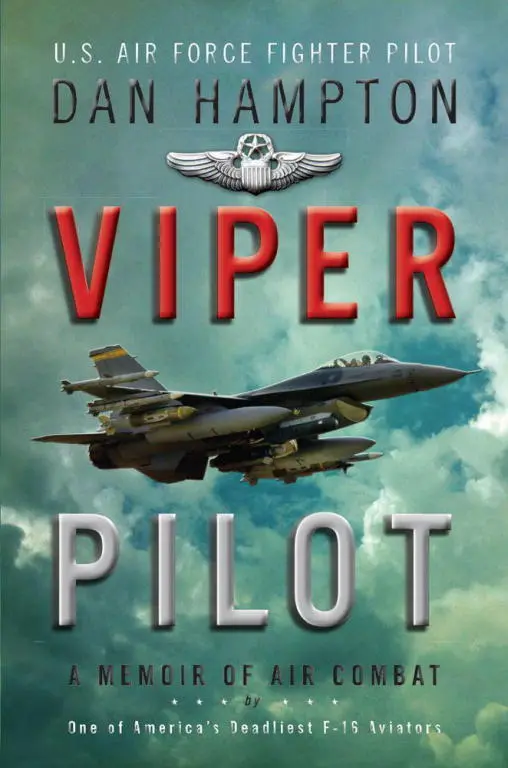
- Название:Viper Pilot
- Автор:
- Издательство:William Morrow
- Жанр:
- Год:2012
- Город:New York
- ISBN:978-0-06-213035-8
- Рейтинг книги:4 / 5. Голосов: 1
-
Избранное:Добавить в избранное
- Отзывы:
-
Ваша оценка:
Viper Pilot: краткое содержание, описание и аннотация
Предлагаем к чтению аннотацию, описание, краткое содержание или предисловие (зависит от того, что написал сам автор книги «Viper Pilot»). Если вы не нашли необходимую информацию о книге — напишите в комментариях, мы постараемся отыскать её.
is the electrifying memoir of one of the most decorated F-16 pilots in American history: U.S. Air Force Lieutenant Colonel Dan Hampton, who served for twenty years, flying missions in the Iraq War, the Kosovo conflict, and the first Gulf War.
Both a rare look into the elite world of fighter pilots and a thrilling first-person account of contemporary air combat,
soars—a true story of courage, skill, and commitment that will thrill U.S. Special Forces buffs, aviation and military history aficionados, and fans of the novels of Tom Clancy and Dale Brown.
Viper Pilot — читать онлайн бесплатно полную книгу (весь текст) целиком
Ниже представлен текст книги, разбитый по страницам. Система сохранения места последней прочитанной страницы, позволяет с удобством читать онлайн бесплатно книгу «Viper Pilot», без необходимости каждый раз заново искать на чём Вы остановились. Поставьте закладку, и сможете в любой момент перейти на страницу, на которой закончили чтение.
Интервал:
Закладка:
In any event, this was something different—and novelty was good.
I careened past the startled gate guards and hightailed it up the perimeter road to the entrance to the Egyptian side of the base. Several more guards, in khaki pants and ragged tennis shoes, stood in the road. Recognizing me and my truck, they waved and opened the gate. That is, they lifted the wooden pole from two badly dented oil drums and stood aside so I could pass.
With the truck’s windows down, hot air mixed with the flies and dust as I sped down the road. On the right, toward the runway, the very last jet was coming around on final, gear extended and landing light glowing. With a tiny thrill, I realized they were American F-16s. All fighters carry identifying markings that are plain to pilots but look like ancient Hittite to anyone else. I was still too far away to read them but the placement of these markings on the tail told me they were U.S. fighters.
Excited now, I mashed the pedal down and drove faster. For some strange reason, the roadside curbs were painted with alternating two-foot sections of black and white. This made driving after a few Fuzzy Navels a surreal experience. I often wondered how many conscripts it took, and for how long, to paint miles and miles of concrete with these stripes.
Coming to a big, L-shaped main intersection, I turned right and headed toward the runway. There were several big dormitories, now empty, for the pilots to stay when they were here. Behind them were a collection of hovels for the enlisted men and conscripts. Incidentally, conscripts weren’t allowed to leave the base on weekends, and about fifty of them were huddled by the road, looking toward the runway with empty faces.
I raced past the headquarters complex, recognizable because of the date palms planted in the forecourt and the monthly fresh coat of brownish-pink paint on the walls. Think of vomit sprayed on cinder blocks and you’ve got the picture.
The road led directly onto the flight line. Western military complexes, and particularly American air bases, are harder to get into than a nun’s panties. Just to pass onto the main base you need a piece of plastic containing a computer chip with your life history, medical history, and security clearance. Flight line access means going through layers of fences, camera surveillance, more guys with guns, and additional identification. Without the right ID, you’ll end up facedown on the ground with a pistol in your ear.
But here I just drove on.
The runway and taxiways opened up before me like the parking lot at Wally World. Or the state of Oklahoma. The Soviet-built TU-16 bombers that had originally inhabited this place needed lots of space. Called Badgers, they were three stories tall and had a wingspan of 108 feet. They’d needed acreage just to turn around. In fact, there was a wrecked one that had been pushed off the taxiway and lay rusting in the sun. Next to it was a MiG-21 fighter that was missing a wing. Just beyond these modern heaps, outside the perimeter fence, was the small but authentic Lahun pyramid. Built 3,800 years ago, it was in marginally better shape than the two Russian jets.
As I turned onto the taxiway, I saw them. Twelve F-16s huddled together just off the north end of the runway. They were beautiful—decked out in fresh dark-gray combat paint with a lighter sea-gray splash around the cockpit. The distinctive gold canopy glinted in the sun and brilliant white strobe lights flashed from their tails. Heat-seeking Sidewinder air-to-air missiles jutted from each wingtip, and the white tips of deadly long-range AMRAAM missiles were visible beneath the wings. Each fighter had a pair of 370-gallon wing tanks and a rectangular electronic countermeasure pod slung beneath the belly. They were clean, with new, black tires and the exposed metal parts gleamed like they’d all been polished. This was typical of American fighter jets, but I hadn’t seen one in six months and the Egyptian Air Force didn’t spend much time on such things.
As I got closer, I saw the big “HL” on each tail flash and recognized the 388th Fighter Wing, Hill Air Force Base, Utah. I’d never been stationed there but the fighter community was small, so odds were I knew some of these pilots. It didn’t matter. They were Americans, and these guys had just become my best friends—even if they didn’t know it yet.
I raced up in my four-by-four pickup and skidded to a stop ten yards in front of them. As I got out, twelve helmeted, dark-visored heads turned to stare. I walked over to the leader’s jet and stood just beyond the lethal range of the jet intake. The engine was powerful enough to pull a grown man through thousands of spinning turbine blades and turn him into shredded wheat. This has happened occasionally, by the way.
Looking up, I saw him raise his oxygen mask to his face and knew they were all talking about me. Who is this guy? Should we shoot him now? Where the hell are we? Let’s shoot him now.
So I waved.
Nobody moved.
The high-pitched whine penetrated my earplugs, and I didn’t want to stay there any longer than necessary, so I made a cutting motion across my throat. This was the international signal to shut down the engines.
He shook his head slowly and they talked some more. I couldn’t really blame them. After all, they were on a foreign air base in the middle of a country none of them had likely ever visited. They could take off again if they had to, and this was, no doubt, part of what they were discussing. I had a thought then and trotted back to my truck, with twelve heads swiveling to watch. As I rummaged about in the bed, I could almost feel their fingers tightening on the triggers.
But I turned around, flashed a charming smile, and triumphantly held up both six-packs. I couldn’t see faces behind the visors but I absolutely had their attention now. Assuming they’d flown in from the United States, they’d been sitting in those cockpits for at least ten hours and a cold beer was a glimpse of heaven. Within thirty seconds, I heard the dying whine of a jet engine, then another and another. All down the line the big canopies yawned opened as the fighters shut down.
Booze wins again.
I dropped one of the beers in the ankle pocket of my flight suit, pulled a boarding ladder out of the truck and walked back to the lead jet. Carefully hooking the prongs on the left side of the cockpit, I seated the foam supports just forward of the gun and slowly climbed up the ladder.
Clearing the canopy railing, I leaned over and looked into the cockpit. The ejection seat took up most of it. On either side of the pilot were consoles about a foot wide, and every inch was taken. Most of the switches and knobs were things a pilot would set one time prior to takeoff and then leave alone. Radios, jamming pod, and the countermeasure controls were all here. The right side had cockpit lighting controls, environmental controls (air-conditioning and heat), and the sensor power panel for the various pods the F-16 carried. There was also the Data Transfer Cartridge (DTC) port. This was a VHS-tape-size cartridge that could be programmed by a special computer prior to the flight. Thousands of navigation points, threat data, weapons, and other useful stuff could be saved on this and then loaded into the fighter’s systems with the touch of a button.
During long combat missions or transoceanic flights, these consoles were cluttered with map cases, food, and water. This guy’s cockpit was no exception. Ever wonder how a fighter pilot wearing a G-suit, harness, exposure suit, and survival vest relieves himself while strapped into a tiny cockpit?
Piddle packs. Little tough plastic bags partially filled with absorbent sand. They had a sealable “neck” and were good for one toilet break of the liquid kind. Describing the mechanics of the other relief process in an F-16 cockpit would take an entire chapter. Anyway, this guy also had a few used piddle packs tucked against the bulkhead.
Читать дальшеИнтервал:
Закладка:
Похожие книги на «Viper Pilot»
Представляем Вашему вниманию похожие книги на «Viper Pilot» списком для выбора. Мы отобрали схожую по названию и смыслу литературу в надежде предоставить читателям больше вариантов отыскать новые, интересные, ещё непрочитанные произведения.









Обсуждение, отзывы о книге «Viper Pilot» и просто собственные мнения читателей. Оставьте ваши комментарии, напишите, что Вы думаете о произведении, его смысле или главных героях. Укажите что конкретно понравилось, а что нет, и почему Вы так считаете.