Alexander Theroux - Darconville’s Cat
Здесь есть возможность читать онлайн «Alexander Theroux - Darconville’s Cat» весь текст электронной книги совершенно бесплатно (целиком полную версию без сокращений). В некоторых случаях можно слушать аудио, скачать через торрент в формате fb2 и присутствует краткое содержание. Год выпуска: 1996, Издательство: Holt Paperbacks, Жанр: Современная проза, на английском языке. Описание произведения, (предисловие) а так же отзывы посетителей доступны на портале библиотеки ЛибКат.
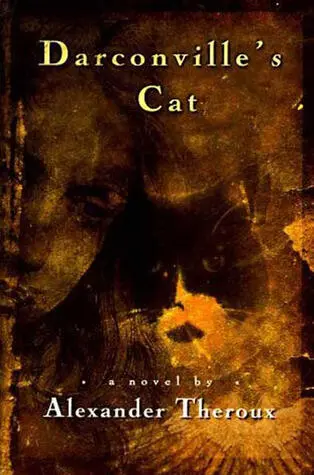
- Название:Darconville’s Cat
- Автор:
- Издательство:Holt Paperbacks
- Жанр:
- Год:1996
- ISBN:нет данных
- Рейтинг книги:3 / 5. Голосов: 2
-
Избранное:Добавить в избранное
- Отзывы:
-
Ваша оценка:
Darconville’s Cat: краткое содержание, описание и аннотация
Предлагаем к чтению аннотацию, описание, краткое содержание или предисловие (зависит от того, что написал сам автор книги «Darconville’s Cat»). Если вы не нашли необходимую информацию о книге — напишите в комментариях, мы постараемся отыскать её.
Darconville's Cat Its chapters embody a multiplicity of narrative forms, including a diary, a formal oration, an abecedarium, a sermon, a litany, a blank-verse play, poems, essays, parodies, and fables. It is an explosion of vocabulary, rich with comic invention and dark with infernal imagination.
Alexander Theroux restores words to life, invents others, liberates a language too long polluted by mutters and mumbles, anti-logic, and the inexact lunacies of the modern world where the possibility of communication itself is in question. An elegantly executed jailbreak from the ordinary,
is excessive; funny; uncompromising; a powerful epic, coming out of a tradition, yet contemporary, of both the sacred and the profane.
Darconville’s Cat — читать онлайн бесплатно полную книгу (весь текст) целиком
Ниже представлен текст книги, разбитый по страницам. Система сохранения места последней прочитанной страницы, позволяет с удобством читать онлайн бесплатно книгу «Darconville’s Cat», без необходимости каждый раз заново искать на чём Вы остановились. Поставьте закладку, и сможете в любой момент перейти на страницу, на которой закончили чтение.
Интервал:
Закладка:
Boccaccio’s Corbaccio ; the Marquis de Sade’s Oxtiern, ou les malheurs de libertinage; The Withered Punk by Joseph Addison; Nosros Thinleia ; Tertullian’s “On the Veiling of Virgins”; John Lydgate’s “Bycorne and Chichevache”; Montherlant’s Sur les femmes ; the Jewish apocryphal Testament of the Twelve Patriarchs ; Durtal’s History of the Maréchal Gilles de Rais; John Knox’s The First Blast of the Trumpet Against the Monstrous Regiment of Women (1558); Henry Howard, Earl of Surrey’s “The Frailtie and Hurtfulnes of Beautie” (1535); Jacques Le Clercq’s The Case of Aristide de Saint Hemme ; Pere Torrellas’s “Copias de las Calidades de las Donnas” (1458); Aristotle’s Master Piece ; William Acton’s The Functions and Disorders of the Reproductive Organs ; the sixteenth-century sermon, “Slovo Zlykh Zhenach”; Alistair Crowley’s Confessions ; Martino Schurigio’s Muliebra Historico-Medica ; Odo of Cluny’s Collations ; K. Dalton’s Menstruation and Crime .
Antoine de la Sale’s Les Quinze Joyes de mariage ; Sâr Peladen’s How to Become a Fairy ; the Works of Gazeus; Ronald Firbank’s The Wavering Disciple ; The Poems of Sir Edward Sherburne; Franco Sacchetti’s Il Trecento Novette ; Max Funke’s Are Women Human ?; Der Misogyne, oder Der Feind des weiblichen Geschlechts by Gotthold Lessing; William Blake’s “My Spectre”; The Koran ; E. J. Dingwall’s The American Woman ; The Monographs of the Pseudo-Clementine; The Cluniac Manifestos; A. Audollent’s Defixionum Tabettae (1904); Strato’s “Musa Puerilis”; C. L. Moore’s Shambleau; The Alexicacon ( 1668); Li Yü’s J’ou Pou Tuan (1705); Livre des manières by Henry II’s Chaplain; The Most Delectable Nights of Straparola (“Piacevolissime Notte”); Shponka’s Dream by Nikolai Gogol.
Ercole Tasso’s Of Mariage and Wiving ; The Analects of Confucius; John Bremer’s Asexualization ; Hugh of St. Victor’s De bestiis et aliis rebus ; Rev. R. Polwhele’s The Unsex’d Females (1798); Solomon’s Proverbs ; the sixth-century poem, “Bandiúc Dubh”; The Neurotic Choice of Mate by L. Eidelberg; Orientus, the Bishop of Auch’s Monitoria ; Samuel Rowland’s “Tis Merrie When Gossips Meete” (1602); Richard Steele’s Spectator % 510; P. J. Mobius’s Ausgewählte werke ; Pierre Christophe Cardinal Théroux-d’Arconville’s The Shakeing of the Sheets (1574); John Skelton’s “The Tunnyng of Elynour Rummying”; Sir Comyn Berkely’s Ten Teachers ; Joseph Swetnam’s The Arraignment of Leivde, Idle, Froward, and Unconstant Women (1615); St. John Chrysostom’s “Homily 26 on I Corinthians,” “Homily 15 Concerning the Statutes,” and “An Exhortation to Theodore After His Fall” ( Nicene Fathers , 2, v); Robert Herrick’s Waste ; Bruno’s De gli eroici furori (1585); Martial d’Auvergne’s Arrests d’Amour ; J. P. Jacobsen’s Marie Grubbe (1876); August Strindberg’s En häxa (1890); Alexander Pushkin’s Gavriliada .
John Cordy Jeaffreson’s A Woman in Spite of Herself (1872); The Fairy Tales of Fouqué; Paracelsus’s Werke ; Mach’s “Anti-Metaphysical Remarks”; George Chapman’s Bussy d’Ambois (1607); Lorenzo Veniero’s La Puttana errante; Tom Tyler and His Wife ; St. Clement of Rome’s “Two Epistles Concerning Virginity”; John Marston’s The Insatiate Countess ; a chaplet of Weddirburne’s “My Love Was False and Full of Flattery”; John Heywood’s A Merry Play Between Johan Johan, the Husband, Tyb, his Wife, and Sir Johan, the Priest (1533); Richard de Bury’s Philobiblion ; Quevedo’s Mujer puntiaguda con enaguas ( 1608); Otto Weininger’s Geschlecht und Charakter (1903); Jean de Meung’s Roman de la Rose (ca. 1300); Andrew Peto’s “The Demonic Mother Imago in the Jewish Religion”; Stobaeus’s Florilegium; He ? by Guy De Maupassant; Richard Baxter’s A Just and Seasonable Reprehension of Naked Breasts and Shoulders (1675).
Jacopo Passavanti’s “The Mirror of True Penance”; The Precepts of Alfred ; Henry of Saxony’s De secretis mulierum ; Sir Philip Sidney’s “Fifth Song”; Aristophanes’s Thesmophoriazusae ; Dr. John Gregory’s A Father’s Legacy to His Daughters (1774); Alberti’s Satires ; The Contagious Diseases Act of 1869; Ouida’s Held in Bondage ; Anton Chekhov’s The Grasshopper; The Female Parson, or Beau in the Sudds (1730); Machiavelli’s Clizia ; The Works of Nicolas Edme Rétif de la Bretonne; Tolstoy’s The Kreutzer Sonata ; Alexander Pope’s Epistle to a Lady ; Pietro Aretino’s / Ragionamenti ; Villiers de L’Isle-Adam’s The Unknown Woman ; S. Purchas’s Microcosmus (1619); “Sadism in Women” by R. Allendy; The Complete Works of Guibert of Nogent; Jorge Luis Borges’ The Intruder; De ventre inspiciendo, or, Of the Right to Determine the Pregnancy of Widows ; Roald Dahl’s Someone Like You .
Peter Abelard’s The Story of My Misfortunes ; Waverly Root’s “Women Are Intellectually Inferior”; Erin Catharine: A Pornographic Novel by the Duke of Promesse; Edward Gosynhill’s The Schole House of Women (1541); Gustav Theodor Fechner’s Nanna ; Ned Ward’s Female Policy Detected (1716); Rudyard Kipling’s “The Female of the Species”; Boussuet’s Elévations sur les mystères; Politeuphia (1597); Gratien Dupont’s “Controversy between the Masculine and Feminine Sex” (1534); John Donne’s Juvenilia ; Géza Roheim’s “Psychoanalysis of Primitive Cultural Types”; P. M. Kaberry’s Aboriginal Women Sacred and Profane ; Heinrich von Kleist’s Kätchen von Heilbronn; The Happy Ascetic (1693) by Anthony Horneck; A Satyr Against Wooing (1698); Jonathan Swift’s “The Furniture of a Woman’s Mind”; Diogenes Laertius’s Life of Thales Milesius ; Charles Bansley’s Treatyse Shewing and Declaring the Pryde and Abuse of Women Now a Dayes; Say It with Oil by Ring Lardner; Robert W. Service’s The Ballad of the Brand .
St. Jerome’s “Against Helvidius”; Reliquiae antiquae ; Theophrastus’s On the Disadvantage of Marriage ; Edmund Goncourt’s La Fille ; Ludovico Sinistrari’s De la démonalité et des animaux incubes et succubes (1688); Sir Thomas Overbury’s “A Very, Very Woman”; Golias de conjuge non ducenda ; Everard Guilpin’s Skialethia ( 1598); The Rabbinical Origin of Women by Thomas Moore; William Dunbar’s “The Tretis of the Tua Mariit Wemen and the Wedo”; Pierre de l’Ancre’s Le Livre des princes and L’Incrédulité et mescreance du sortilège (1622); David Lindsay’s A Voyage to Arcturus ; Thomas Cooke’s Love and Revenge, or the Vintner Outwitted (1729); the Works of Wilma Meikle; A. Memmi’s L’Homme dominie ; the medieval ms. “Fraus, Fraude”; Crowne’s Sir Courtly Nice (1685); Joannes Henricus Pott’s Specimen juridicum de nefando lamiarum cum diabolo coitu (1689).
Cyril Tourneur’s The Revenger’s Tragedy; The Inevitability of Patriarchy by Steven Goldberg; Friedrich Nietzsche’s Beyond Good and Evil; The Works of the Honorable Henry Cavendish; Philippe von Hartmann’s Philosophie der ein Bewusten ; “Cackle of the Confined Women” (1663); Dr. Abel Crucifer’s Christianity and the Ages Which It Darkened [3]; Hipponax’s On the Things We Must Pass Over in Silence ; Wieth-Knudsen’s Feminism; Juris cancnici compendium ; Tippu, the Sultan of Mysore’s “Letters to Burohau-Ud-Din”; Robert Burton’s The Anatomy of Melancholy ; Jacques Loubert’s La Femme devant la science; Anti-Suffrage Essays by Massachusetts Women by Ernest Bernbaum; the Albanian epic, Dukeshë e Zezë ; H. T. Finck’s Romantic Love and Personal Beauty; Patrologiae Cursus Completus ; Compton Mackenzie’s Extraordinary Women ; St. Jerome’s Book Against Jovinian; The Masque of Queen Bersabe ; the Holy Bible; Horace Walpole’s The Mysterious Mother; Grausame Frauen by Leopold von Sacher-Masoch.
Читать дальшеИнтервал:
Закладка:
Похожие книги на «Darconville’s Cat»
Представляем Вашему вниманию похожие книги на «Darconville’s Cat» списком для выбора. Мы отобрали схожую по названию и смыслу литературу в надежде предоставить читателям больше вариантов отыскать новые, интересные, ещё непрочитанные произведения.






Обсуждение, отзывы о книге «Darconville’s Cat» и просто собственные мнения читателей. Оставьте ваши комментарии, напишите, что Вы думаете о произведении, его смысле или главных героях. Укажите что конкретно понравилось, а что нет, и почему Вы так считаете.