Rabih Alameddine - The Hakawati
Здесь есть возможность читать онлайн «Rabih Alameddine - The Hakawati» весь текст электронной книги совершенно бесплатно (целиком полную версию без сокращений). В некоторых случаях можно слушать аудио, скачать через торрент в формате fb2 и присутствует краткое содержание. Год выпуска: 2009, Издательство: Anchor, Жанр: Современная проза, на английском языке. Описание произведения, (предисловие) а так же отзывы посетителей доступны на портале библиотеки ЛибКат.
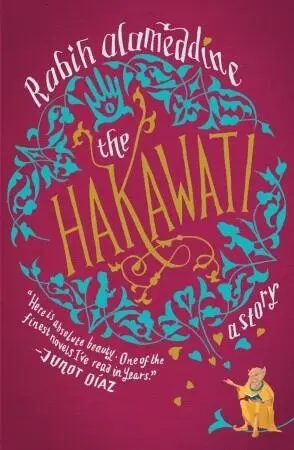
- Название:The Hakawati
- Автор:
- Издательство:Anchor
- Жанр:
- Год:2009
- ISBN:нет данных
- Рейтинг книги:4 / 5. Голосов: 1
-
Избранное:Добавить в избранное
- Отзывы:
-
Ваша оценка:
The Hakawati: краткое содержание, описание и аннотация
Предлагаем к чтению аннотацию, описание, краткое содержание или предисловие (зависит от того, что написал сам автор книги «The Hakawati»). Если вы не нашли необходимую информацию о книге — напишите в комментариях, мы постараемся отыскать её.
, or storyteller, and his bewitching tales are interwoven with classic stories of the Middle East. Here are Abraham and Isaac; Ishmael, father of the Arab tribes; the beautiful Fatima; Baybars, the slave prince who vanquished the Crusaders; and a host of mischievous imps. Through Osama, we also enter the world of the contemporary Lebanese men and women whose stories tell a larger, heartbreaking tale of seemingly endless war, conflicted identity, and survival. With
, Rabih Alameddine has given us an
for this century.
The Hakawati — читать онлайн бесплатно полную книгу (весь текст) целиком
Ниже представлен текст книги, разбитый по страницам. Система сохранения места последней прочитанной страницы, позволяет с удобством читать онлайн бесплатно книгу «The Hakawati», без необходимости каждый раз заново искать на чём Вы остановились. Поставьте закладку, и сможете в любой момент перейти на страницу, на которой закончили чтение.
Интервал:
Закладка:
“The older prince said, ‘But we’ll die, too, if we don’t eat you.’ And the younger prince said, ‘We can feed on berries and root vegetables. Look, there are parsnips here, and rhubarb and radish.’ The older prince felt pity and unstrung his bow. ‘I’ll repay your deed of mercy, my prince,’ said the pigeon, and flew away. ‘How can a pigeon repay a debt?’ asked the older prince. ‘We could have roasted him and served him with a berry-and-parsnip sauce.’ ”
“That sounds like an awful sauce,” I said.
“Any sauce is good when you’re hungry. The boys walked and walked and reached rushes that grew near a lake, and there they saw a wild duck. The older prince loved duck meat, confit with pearl potatoes, as did the younger. The older prince cocked his arrow, but the duck said, ‘I implore you, noble prince. Don’t shoot me. I have two sons at home, and they’ll perish if I don’t bring back food for them.’ The older prince dropped his weapon, and the duck said, ‘I’ll repay your deed of mercy, my prince.’ Farther along, the princes saw a stork standing on one leg and cleaning itself with its long beak. The older prince took careful aim, but the stork said, ‘I implore you, noble prince. Don’t shoot me. I have two sons at home,’ and the prince unstrung his bow. ‘We’ll sleep hungry tonight,’ he said, but the younger said he’d make a fabulous vegetable ratatouille, and he did, and it was sumptuous.
“The following morning, the boys walked and walked until they reached a castle where an old king was standing at the steps. ‘You seem to be looking for something,’ the king said.
“The older prince replied, ‘We’re looking for home, but we can’t seem to find it.’
“The king said, ‘What luck! I’ve lost my companions. Work for me, and I’ll feed you and clothe you until you find your home.’ The boys became the old king’s companions and told him stories and entertained him. But not everything was wonderful: the king had a nasty vizier.”
“There’s always a nasty vizier,” I interrupted.
“Someone has to be nasty. This vizier, who was envious of the princes, told the king, ‘It’s my duty to inform Your Majesty that these boys are up to no good. They mock the court. Why, just the other day they boasted that if they were your stewards not a single grain of rice would be lost from your storehouses. They must be shown their place. Mix a sack of rice with one of lentils, and have the boys separate the two in an hour’s time. Show them where arrogance leads. Boasting must never be left unanswered.’
“The king was a good man, but he was nothing if not gullible. He gave the order to have the bags mixed and told the boys, ‘When I come out of my diwan in an hour, I expect the lentils to be separated from the rice. If the job is done, you’ll be my stewards, and if it’s not, I’ll cut off your heads.’ The princes tried in vain to convince him that they hadn’t been boastful. The king’s servants led the boys to a room where the rice and lentils were strewn all over the floor.
“The boys fretted: this was a week’s task for a thousand men. ‘We are doomed,’ said the older prince. They sat amid the rice and lentils and hugged each other. A pigeon appeared at the window and asked, ‘Why are you sad, my princes?’ and the older prince explained what the king had ordered them to do. ‘Be not concerned,’ said the good pigeon. ‘I am the king of pigeons, whose life you spared when you were hungry. I will repay my debt as promised.’ The king of pigeons flew away, and returned accompanied by a million pigeons, who set about separating the rice from the lentils. Uncountable wings flapped, the resulting air moving piles around the room, and thousands of beaks pecked at rice and lentils. Work, work, work — the pigeons made two large piles in minutes. The king couldn’t believe his eyes. He asked his servants to look through the heaps, but not one grain of rice could be found among the lentils. He praised the boys’ industriousness and talent and made them his stewards.
“The vizier was apoplectic. The next morning, he told the king, ‘The boastful boys have been at it again, saying that if they were the keepers of your treasures not one ring would ever be lost or stolen. Put these vain boys to the proof, Your Majesty. Throw your daughter’s ring into the river, and order them to find it.’ The foolish king believed the vizier once more and ordered the ring thrown into the river.”
“Why do people always believe liars?” I asked.
“We all need to believe. It’s human nature. So the king told the princes, ‘I understand that you boys are fond of boasting. I’ve thrown the princess’s ring into the river. I’ll be in my diwan for an hour, and when I come out, I expect you to have found the ring. If the task is done, you’ll be the keepers of my treasures, and if it’s not, I’ll cut off your heads.’ The princes sought the river. The younger prince walked up and down the bank, and the older prince waded in, but neither could find anything. A duck floated down the river and asked, ‘Why are you sad, my princes?’ and the older prince explained what the king had ordered them to do. ‘Be not concerned,’ said the good duck. “I am the king of ducks, whose life you spared. I’ll repay my debt.’ The duck flew away and returned with a million ducks. They swam up and down the river, diving underwater in teams, duck heads bobbing and weaving, until the ring was found. When the king returned from the diwan and saw the ring, he made the boys his keepers of the treasures.
“Seeing that his efforts had been foiled once more, the vizier hatched his master plan. He knew the king had tried to learn sorcery and necromancy and had failed and failed, so the vizier said, ‘The boys have not ceased their boastful ways. They have said that an exceptional child shall be born in the palace this night, the brightest child in the universe, the most beautiful, the most delightful, but not only that. These vain boys were not satisfied with a child of such exceptional qualities. They said they asked the jinn to make the boy even more special and the jinn complied. They said the child will be the best oud player in the world, and boasted that if Your Majesty hears the child play the instrument, Your Majesty will weep. Such bluster will never do.’ Since the king had never been able to communicate with the jinn, he boiled with rage upon hearing this news. ‘If this miracle doesn’t happen tonight,’ he threatened the princes, ‘I’ll cut off both your heads, and I’ll bury your bodies without prayers in unclean soil, and you’ll meet those demons you’re communing with.’
“In their rooms, the princes huddled and hugged. At least with the first two tasks they had known how to begin, even if they couldn’t have accomplished much without help. But how could one find a child?”
“A stork.”
“Of course. The stork tapped at the windowpane, and the princes opened the window. The older prince explained about the miracle. ‘Be not concerned,’ said the good stork. It flew away and returned carrying a bundle swaddled in white cotton. The stork gently placed the bundle on the floor, and out of it crawled the most beautiful baby in the world, and the princes fell in love with him right away and knew that they would cherish this boy forever and ever. The baby crawled over to the oud lying next to the bed and began to play an exquisite melody.”
“A maqâm?”
“But of course. The melody was so charming that everyone in the palace began to wake, wanting to know where this music was coming from. They all rushed to the room and saw with their own eyes the miracle of this most special baby playing the oud. The king heard the song, and his heart expanded, and he wept. The beautiful princess loved the baby and she said, ‘This boy will be my son, and this prince will be my husband.’ The older prince married the princess, and their son was the most special boy in the world.”
Читать дальшеИнтервал:
Закладка:
Похожие книги на «The Hakawati»
Представляем Вашему вниманию похожие книги на «The Hakawati» списком для выбора. Мы отобрали схожую по названию и смыслу литературу в надежде предоставить читателям больше вариантов отыскать новые, интересные, ещё непрочитанные произведения.










Обсуждение, отзывы о книге «The Hakawati» и просто собственные мнения читателей. Оставьте ваши комментарии, напишите, что Вы думаете о произведении, его смысле или главных героях. Укажите что конкретно понравилось, а что нет, и почему Вы так считаете.