Jonathan Galassi - Muse
Здесь есть возможность читать онлайн «Jonathan Galassi - Muse» весь текст электронной книги совершенно бесплатно (целиком полную версию без сокращений). В некоторых случаях можно слушать аудио, скачать через торрент в формате fb2 и присутствует краткое содержание. Год выпуска: 2015, Издательство: Knopf, Жанр: Современная проза, на английском языке. Описание произведения, (предисловие) а так же отзывы посетителей доступны на портале библиотеки ЛибКат.
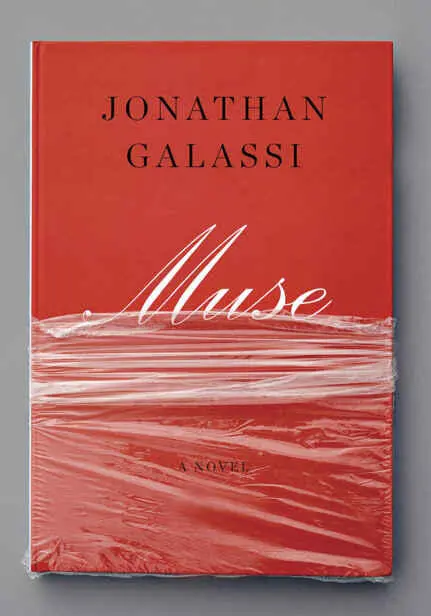
- Название:Muse
- Автор:
- Издательство:Knopf
- Жанр:
- Год:2015
- ISBN:нет данных
- Рейтинг книги:4 / 5. Голосов: 1
-
Избранное:Добавить в избранное
- Отзывы:
-
Ваша оценка:
Muse: краткое содержание, описание и аннотация
Предлагаем к чтению аннотацию, описание, краткое содержание или предисловие (зависит от того, что написал сам автор книги «Muse»). Если вы не нашли необходимую информацию о книге — напишите в комментариях, мы постараемся отыскать её.
Paul Dukach is heir apparent at Purcell & Stern, one of the last independent publishing houses in New York, whose shabby offices on Union Square belie the treasures on its list. Working with his boss, the flamboyant Homer Stern, Paul learns the ins and outs of the book trade — how to work an agent over lunch; how to swim with the literary sharks at the Frankfurt Book Fair; and, most important, how to nurse the fragile egos of the dazzling, volatile authors he adores.
But Paul's deepest admiration has always been reserved for one writer: poet Ida Perkins, whose audacious verse and notorious private life have shaped America's contemporary literary landscape, and whose longtime publisher — also her cousin and erstwhile lover — happens to be Homer’s biggest rival. And when Paul at last has the chance to meet Ida at her Venetian palazzo, she entrusts him with her greatest secret — one that will change all of their lives forever.
Studded with juicy details only a quintessential insider could know, written with both satiric verve and openhearted nostalgia,
is a brilliant, haunting book about the beguiling interplay between life and art, and the eternal romance of literature.
Muse — читать онлайн бесплатно полную книгу (весь текст) целиком
Ниже представлен текст книги, разбитый по страницам. Система сохранения места последней прочитанной страницы, позволяет с удобством читать онлайн бесплатно книгу «Muse», без необходимости каждый раз заново искать на чём Вы остановились. Поставьте закладку, и сможете в любой момент перейти на страницу, на которой закончили чтение.
Интервал:
Закладка:
thunder or hapless
invaders could
trample our idyll
we were alive
that June morning
only we two
the raccoon
coyote and catamount
mockingbirds dragonflies
bees didn’t
know what to do
weren’t we the naiads
then darling
weren’t we the rage
Mnemosyne’s loved one, the secret sharer of these moments of joy, and also the cause of her uncertainty and pain, was a woman.
Next it dawned on him that he recognized the setting of this exalting and tormented relationship:
wade the old
roadway
through
loosestrife
and goldenrod
where the
primordial
icebox
keeps humming
all night
in the primordial
woods with the
owl as our witness
while the
inexorable
hand keeps on
winding
its stopwatch
killing our time
invading our dark
with its flashlight
The sheep in the meadow, the woods road, the unused cabin by the wind-raked pond: Paul could see every detail in his mind’s eye. He had walked there, basked in the breeze by the water, lain on the dock and watched the clouds pass overhead. Time and again he had strolled past the abandoned cabin by the turn where the woods road rose as it reached the pond. Reading the poems, he was back in Hiram’s Corners on Sterling’s farm.
Mnemosyne’s secret affair had taken place there.
Paul also thought he recognized certain words in the poems from A.O.’s lists in the red notebooks. He would have to compare them with the manuscripts later.
A third character emerged in this tortured romance: “The Great Man,” a solar deity of sorts, evoked at times with more than a tinge of resentment.
LET HIM
be occupied
offhand Olympian
let him be god
while we dither
and waver
stay with me here
in the pool
of the evening
in our penumbra
his sun can’t uncover
Or this:
THE SUN
surveys
what’s his
with purple pride
his piercing rays
decide
what gives
and lives
but I know ways
to hide
inside the shade
and while he sleeps
we’ll shut his eyes
and find
our peace in this
green glade
Paul recognized Mnemosyne’s Great Man. He had something of Sterling’s high-minded, airy self-absorption. But who was the skittish, reticent object of this no-holds-barred adoration who had to be shared with this powerful, aloof man?
Ida/Mnemosyne had written this about her:
BERENICE’S
hair hangs in heaven
only for you
I dressed it
I watched it shimmer
on water
saw it reflect
and correct
and obliterate
all of our
error
see it now
falling
miraculous
onto our pillow
glinting thread
binding
unbinding
your moonsilver
nightgown
all of it mine
There were poems about a rendezvous in a fishing shack in the Florida Keys and at the Connaught Hotel in London, poems about hidden mazes and keyholes and what men will never understand about women. There were tirades denouncing the loved one’s farouche facelessness; her maddening, irresistible shyness; her enraging self-sacrifice:
Go ahead stack his books
type for him ski
even tennis and golf
if you want to
ply him
with orange juice
bacon and sunny-
side eggs if you must
cook but don’t
clean dear
remember it’s
dust unto dust
* * *
The first part of the book came to an abrupt end without any sort of summary or conclusion, almost as if unfinished. There was a drastic shift in the second section:
LITTLE REQUIEM
the pews are
all filled with
your children
your husband
pallbearers
friends and
relations
exemplary
citizen
and I sit with
them silent and
no one knows why
no one knows why
as I toss my one
scarlet carnation
into your grave
Mnemosyne’s beloved has suddenly disappeared without warning, and can only be evoked now in memory.
In this second part of the book the poems became intentionally repetitive, desperate and at times rageful testaments to a desire that has been left unfulfilled:
How to go on
with this
heaviness all
this despair
being kind
being reasonable
practical
organized fair
when all that I
want is to shut
the door open
your locket and
finger your hair
There were antiphonal poems in italics, too, in the second part, an answering voice that Paul inferred was that of Mnemosyne’s lover, filtered through memory:
not like that
no I can’t no
we can never
find time
no lean back
and untether
how can we ever
be quiet and
breathe
how
can we ever
no lie
here together
The later poems of Mnemosyne were raw, harsh, sometimes cruel in their cold assessment of grief. This was something entirely new in Ida — the poet forced to accept loss, fallibility, mortality, brought low in ways Paul would not have predicted from her previous work:
Go your
way out into
nothingness
leave me
abandon
me widowed
go your way
leave me
defenseless
just go
your
own way
The book closed with this:
MNEMOSYNE ALONE
Mnemosyne remembers as she sits
and teases at the shoreline through the haze
what she sees
she’s seen for hours
for days
for months and years
she feels the sun’s late rays
fall on the dock
she sees the wary deer
approach the water
gingerly at dusk
she smells the ozone
after love the fear
She sees the holy eyes
that burn the dark
and in the summer flush
she hears the rain
battering the laurel
leaves again
Paul set the manuscript down. For a long time he sat and looked out the window, focusing on nothing.
He could see it all, though. He knew who Mnemosyne’s ungraspable muse had been. Someone Sterling was constitutionally incapable of appreciating.
Maxine Wainwright had died long ago; and with Bree in the picture, Sterling had seldom done more than occasionally mention her. But Morgan had known her. Paul wandered aimlessly along the Giudecca until it was late enough to call her. He reached her at Pages, as she was opening up for the day.
“Morgan, I’m in Venice, in the midst of an earth-shattering discovery. You’ll hear the whole story as soon as I’m back. What I need now is for you to tell me everything you can about Maxine.”
“Maxine Wainwright? Why? Was Sterling unfaithful to her?”
“No doubt. But this is about her, not him. What was she like?”
“Well … she came from an old Main Line family on her mother’s side. Mama apparently caused a little bit of a stir by marrying Maximilian Schwalbe, a penniless Austrian émigré; but he made everything all right by founding Mac Labs, which went on to become one of the biggest pharmaceutical companies in the world. Maxine went to Bryn Mawr, like her mother, though she was a decade or so younger than your Ida Perkins, I think. I’m rather surprised you don’t know all this, Paul. I’m sure we talked about it long ago.”
For once Paul didn’t rise to Morgan’s bait. She continued:
“She was dark, petite, quite shy, but with tremendous warmth. Utterly without airs. She had an uncanny ability to make immediate connections with people; she certainly did with me, when we met at the booksellers’ convention in Chicago when I was just starting Pages. God knows why she was there — though she was a tireless cheerleader for all of Sterling’s enterprises. We started chatting at the Impetus booth and by the time I left I felt I’d made a friend. Athletic, too, a terrific golfer. I know she and Sterling enjoyed cross-country skiing together up in Hiram’s Corners. And Maxine was the ultimate good citizen. School board, League of Women Voters, what have you. A card-carrying Democrat. They had one son, Sterling the Third, who works for Mac Labs out West now, I believe. I remember her saying she hadn’t wanted to live in Aunt Lobelia’s house after she died because she didn’t want her boy growing up in the biggest place in town. Then she passed away herself more than twenty years ago, of pancreatic cancer.
Читать дальшеИнтервал:
Закладка:
Похожие книги на «Muse»
Представляем Вашему вниманию похожие книги на «Muse» списком для выбора. Мы отобрали схожую по названию и смыслу литературу в надежде предоставить читателям больше вариантов отыскать новые, интересные, ещё непрочитанные произведения.







Обсуждение, отзывы о книге «Muse» и просто собственные мнения читателей. Оставьте ваши комментарии, напишите, что Вы думаете о произведении, его смысле или главных героях. Укажите что конкретно понравилось, а что нет, и почему Вы так считаете.