Marina Cramer - Roads
Здесь есть возможность читать онлайн «Marina Cramer - Roads» весь текст электронной книги совершенно бесплатно (целиком полную версию без сокращений). В некоторых случаях можно слушать аудио, скачать через торрент в формате fb2 и присутствует краткое содержание. Город: Chicago, Год выпуска: 2017, ISBN: 2017, Издательство: Academy Chicago Publishers, Жанр: Историческая проза, на английском языке. Описание произведения, (предисловие) а так же отзывы посетителей доступны на портале библиотеки ЛибКат.
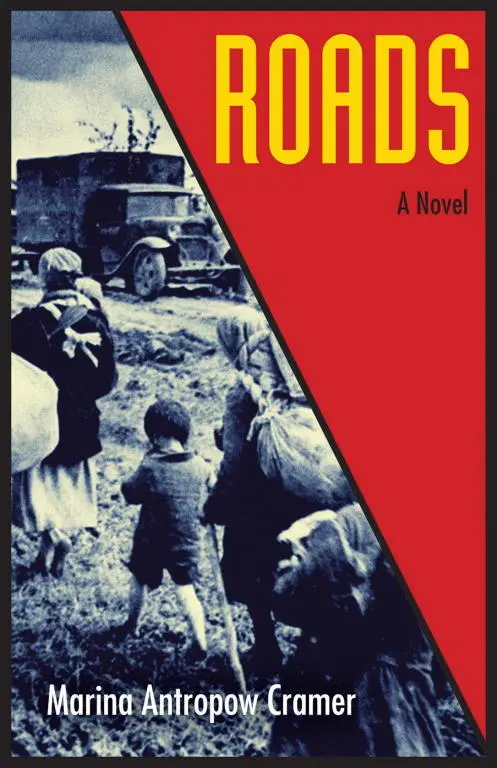
- Название:Roads
- Автор:
- Издательство:Academy Chicago Publishers
- Жанр:
- Год:2017
- Город:Chicago
- ISBN:978-1-61373-558-9
- Рейтинг книги:5 / 5. Голосов: 1
-
Избранное:Добавить в избранное
- Отзывы:
-
Ваша оценка:
Roads: краткое содержание, описание и аннотация
Предлагаем к чтению аннотацию, описание, краткое содержание или предисловие (зависит от того, что написал сам автор книги «Roads»). Если вы не нашли необходимую информацию о книге — напишите в комментариях, мы постараемся отыскать её.
By winter 1945, Allied air raids destroy strategic sites; Dresden, a city of no military consequence, seems safe. The world knows Dresden’s fate.
Roads
Roads — читать онлайн бесплатно полную книгу (весь текст) целиком
Ниже представлен текст книги, разбитый по страницам. Система сохранения места последней прочитанной страницы, позволяет с удобством читать онлайн бесплатно книгу «Roads», без необходимости каждый раз заново искать на чём Вы остановились. Поставьте закладку, и сможете в любой момент перейти на страницу, на которой закончили чтение.
Интервал:
Закладка:
“Listen for the siren,” the dentist said on his way out to the black car waiting at the gate. He spoke to her in clear, slow German. “If there is an air raid, take the girls to the basement and stay there until all is clear. Understand?”
She understood, wondered where that black car took him several times a week—a vehicle that, as far as she knew, never portended anything good. Other days, he received patients at home, the whine of the drill from the examining room setting her own teeth on edge.
Afternoons, while the girls slept, she starched and ironed his shirts and their dresses. He wouldn’t let her press his trousers, said he liked them just so, preferred to do them himself. It was amusing to watch him at the ironing board, bent close to his task, absorbed in placing each knife-edge crease with absolute precision. But she never dared laugh, just busied herself with the dinner they would eat after she had gone.
The morning the beggar came she was alone in the kitchen, washing the breakfast dishes. It had rained, a quick, drenching spring shower that left the yard too wet for the girls to go out until later. She could hear them twittering together like a pair of little birds, playing dolls in the dining room. Herr Doktor was out.
The man appeared out of nowhere, popping up at the open window like a circus performer on a trampoline. He was so close she could see the lice crawling in the stubble of his shaved head. He pulled a bundle from under the shirt of his striped pajamas, a yellow star hanging by a thread just below the collar. He held up a short-sleeved red dress with big white buttons, a clothespin dangling from one shoulder. “Nice, for you. You buy?” he croaked at her in rapid German. His voice was high, rasping, painful to hear.
Galina tried to scream, but no sound came. His collarbones were sharp as razor blades under the filthy cloth of his threadbare shirt. Huge scabby hands hung from his matchstick wrists; the toothless, gaping mouth smelled of rot. How could anyone so decimated still walk and talk? When had he last seen food? She reached for the nearest thing, the unwashed pan from this morning’s oatmeal, several spoonfuls of cold cereal stuck to the bottom. She thrust it at the man and slammed the window shut.
She heard the pan crash to the ground. Footsteps, running. Dogs. A stifled wail. And silence, broken by the call of a crow, raucous in its sudden vulgarity.
She didn’t know, for certain, that he was a Jew. She had heard some talk in the work camp, of other camps, much worse than this one. She remembered the closed cattle car, the muffled disembodied voices begging for water. Where did they go? What happened to them? And why? Did the barely human apparition at the window have some connection to such rumors? She did not know what to think.
Galina never again let the girls out by themselves, not even to the sheltered safety of the fenced yard. She took her mending or laundry tub outside, keeping her charges always in sight.
After she found the gold fillings, everything changed. The tin was not in the examining room; she was only allowed in there, to dust and sweep and clean the glass cabinets, when the dentist was present. It was on his bedroom bureau. She had never seen it before, an old cocoa tin with a smiling Bavarian Mädchen on the side, her hair a golden wreath of braids. The tin clattered to the floor with a swipe of her dust cloth, spilling its glittering contents on the polished boards, some of the nuggets still ringed with bits of black decaying teeth.
Her mind conjured an image of her father, in happier times, his head thrown back, a glass of tea in his hand, laughing, his gold teeth catching the light of the evening lamp. She had heard of widows asking for their departed husbands’ fillings before burial, as a sentimental memento or a hedge against impending poverty. But this, this could be no fond remembrance. This was something dirty, a shameful hoard wrenched from the mouths of what? Corpses? Whose? And if they were inmates, didn’t the gold belong to the captors, the Reich?
The noise brought the doctor in from the next room.
“I’m sorry, Herr Doktor. I am so clumsy.” Galina was on her hands and knees, gathering the evidence of her transgression into his secret life.
He pushed her aside. It was the only time in her four months’ employment he had ever touched her. “Leave that,” he said in a menacing voice icy with repressed rage. “Crying won’t help. You think it’s easy serving these butchers? Yanking the fillings from the wretched bastards’ remaining teeth, the bodies not yet cold, the SS standing around telling bawdy jokes.” He scooped the fillings up with a quick sweep and jammed the fistful of gold into the pocket of his immaculately pressed trousers. “They cannot pay me enough for what I do. I have my daughters to think of, their future.”
“I…” But there was nothing to say. Will your daughters thank you for a future bought with these gruesome wages of death? Galina wiped her face with her hands and backed out of the room.
The following week she was reassigned to the camp kitchen.
She told no one. Not her mother, working with her at the camp kitchen stove. Not her father, assigned now to clean the infirmary, his coughing, aggravated by the ever-present stone dust, making him useless at the factory. And certainly not Filip, lying on the adjoining mattress, waiting until the others were asleep before groping his way onto hers, with urgent whispers and insistent hands.
6
SO IT WENT. Days of mind-numbing drudgery were relieved only by episodes of desperate resistance. Each careless blunder or show of independence was punished, the retribution that followed marked by wanton cruelty.
Day and night, there were Allied air raids. So often that, after the first few, work continued at the factory as if the disturbance was nothing more than a passing thunderstorm. Anyone who was outdoors when the bombers approached could seek shelter inside, but only until the danger passed. When one corner of the plant was hit, the storage silo split from top to bottom, every pair of hands went to work scooping up the dry stone clinker, transferring the salvaged material into the three remaining towers.
The work was so loathsome, so backbreaking and filthy, that when an officer entered the plant and demanded, “Who here speaks good German?” Filip stepped forward without the slightest hesitation.
The camp was filled beyond capacity, housing over three hundred workers in a space designed for half that number. No one was idle; the factory now operated twenty-four hours a day, with the same bunks and mattresses serving double duty for those returning from their shifts. Some preferred to take advantage of the milder weather and slept outside in hastily erected tents, hoping to avoid the bedbugs and disease that plagued the barracks in spite of regular fumigation.
With so many people and such demanding work schedules, there was plenty for an interpreter to do. Filip was busier than he had ever been, serving the communication needs of the camp administrators and factory managers at any time, day or night. But he never lacked for cigarettes, and his hands were clean.
The nighttime encounters perplexed Galina. Gradually, the dread she felt as bedtime approached gave way to resignation. Their corner was no different from any of the others, the darkness filled with grunts and whispers and, occasionally, muffled tears. She even heard, from time to time, a muted stirring from her parents’ end of the room. “Men need this… this release,” Ksenia had told her shortly after the wedding. “Women must endure, or lose their husbands.”
She and Filip had known each other so long; it seemed natural for them to be together. But was it enough? She thought about romantic novels she had read as a girl, films she had seen. Where was the spark that passed, unspoken, between lovers, the caress that signaled a meeting of hearts? Filip had never so much as stroked her cheek. She wondered how that would feel, if it was different from her father’s tenderness.
Читать дальшеИнтервал:
Закладка:
Похожие книги на «Roads»
Представляем Вашему вниманию похожие книги на «Roads» списком для выбора. Мы отобрали схожую по названию и смыслу литературу в надежде предоставить читателям больше вариантов отыскать новые, интересные, ещё непрочитанные произведения.











Обсуждение, отзывы о книге «Roads» и просто собственные мнения читателей. Оставьте ваши комментарии, напишите, что Вы думаете о произведении, его смысле или главных героях. Укажите что конкретно понравилось, а что нет, и почему Вы так считаете.