Dr. Pass - Economics
Здесь есть возможность читать онлайн «Dr. Pass - Economics» — ознакомительный отрывок электронной книги совершенно бесплатно, а после прочтения отрывка купить полную версию. В некоторых случаях можно слушать аудио, скачать через торрент в формате fb2 и присутствует краткое содержание. Жанр: unrecognised, на английском языке. Описание произведения, (предисловие) а так же отзывы посетителей доступны на портале библиотеки ЛибКат.
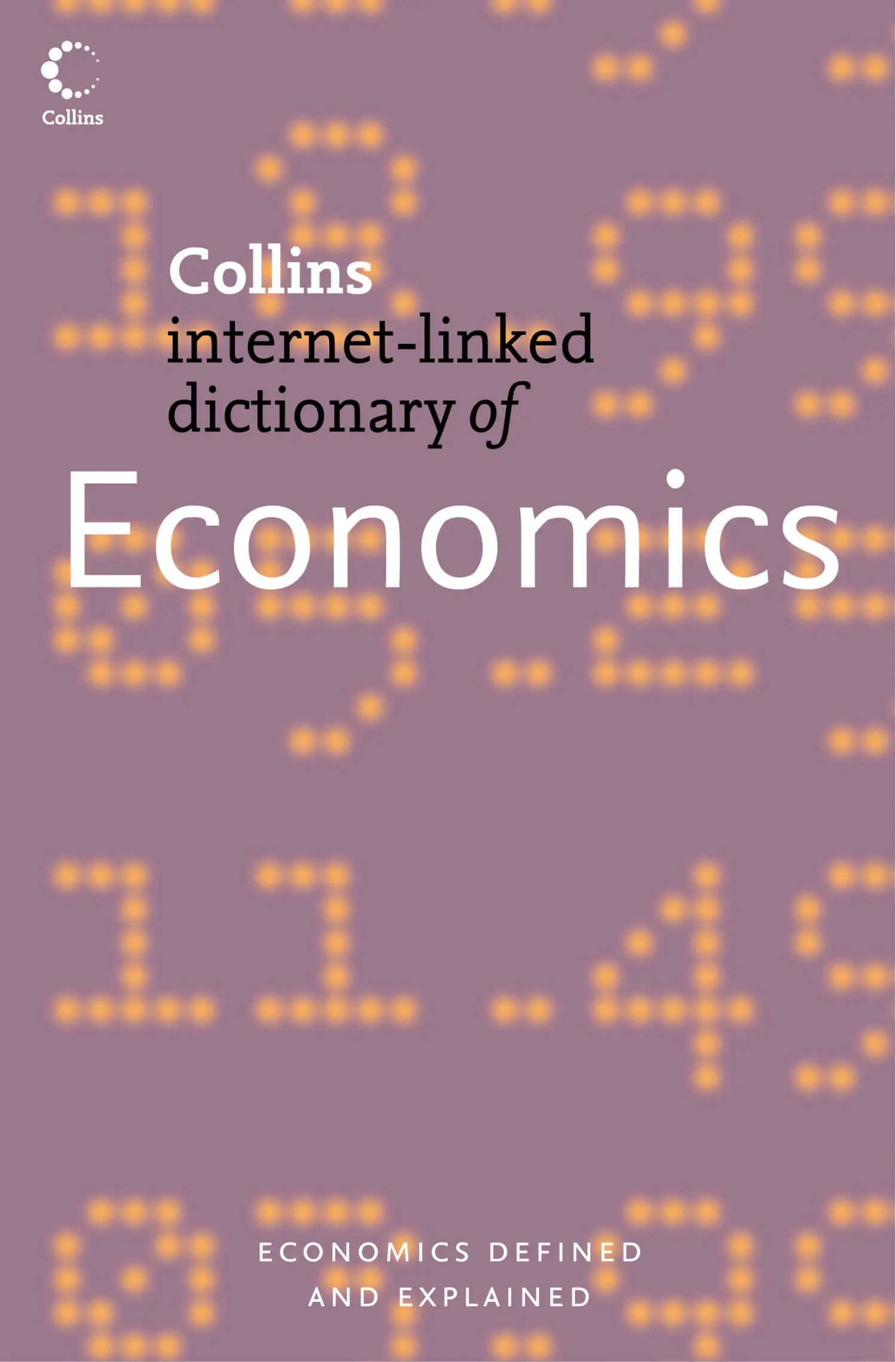
- Название:Economics
- Автор:
- Жанр:
- Год:неизвестен
- ISBN:нет данных
- Рейтинг книги:4 / 5. Голосов: 1
-
Избранное:Добавить в избранное
- Отзывы:
-
Ваша оценка:
Economics: краткое содержание, описание и аннотация
Предлагаем к чтению аннотацию, описание, краткое содержание или предисловие (зависит от того, что написал сам автор книги «Economics»). Если вы не нашли необходимую информацию о книге — напишите в комментариях, мы постараемся отыскать её.
Economics — читать онлайн ознакомительный отрывок
Ниже представлен текст книги, разбитый по страницам. Система сохранения места последней прочитанной страницы, позволяет с удобством читать онлайн бесплатно книгу «Economics», без необходимости каждый раз заново искать на чём Вы остановились. Поставьте закладку, и сможете в любой момент перейти на страницу, на которой закончили чтение.
Интервал:
Закладка:
demographic transitiona POPULATION cycle that is associated with the ECONOMIC DEVELOPMENT of a country. In underdeveloped countries (i.e. subsistence agrarian economics), BIRTH RATES and DEATH RATES are both high, so there is very little change in the overall size of the population. With economic development (i.e. INDUSTRIALIZATION), INCOME PER HEAD begins to rise and there is a fall in the DEATH RATE (through better nutrition, sanitation, medical care, etc.), which brings about a period of rapid population growth. Provided ECONOMIC GROWTH is consistently greater than the increase in population, income per head continues to expand and eventually serves to reduce the BIRTH RATE (small families become the ‘norm’ in society as people seek to preserve their growing affluence). At this point, population growth slows down and may eventually level off. See Fig. 42.
Most advanced industrial countries have gone through a demographic transition of the kind described above and are today characterized by both low birth and death rates and slow-growing populations. See POPULATION TRAP, DEVELOPING COUNTRY.
denationalizationsee PRIVATIZATION.
demographythe study of human POPULATIONS, including their total size, population changes over time as determined by changes in BIRTH RATES, DEATH RATES and MIGRATION; the age and sex distribution of populations and their geographical and occupational distributions. Statistical data on populations is compiled from CENSUSES of population and records of births, See DEMOGRAPHIC TRANSITION.
Department for Education and Skills (DfES)the UK government department responsible for administering the government’s general educational programmes, including schools, colleges and universities, and vocational training schemes. The Department for Education and Skills replaced part of the former Department for Education and Employment in 2001. The emphasis in education is one of providing young people with a basic general education through schools, followed by further education opportunities at colleges and universities, with a commitment thereafter to ‘lifetime learning’ so as to equip people with the necessary basic and vocational skills to be able to adapt to the changing needs of the workplace. This is augmented by more specialized vocational schemes to match up people’s educational capabilities with the practical requirements of specific work tasks through ‘on-the-job-training’ (see TRAINING) and the provision of courses designed to teach people new skills (e.g. computer programming courses). See LEARNING AND SKILLS COUNCIL.
Department for International Development (DFID)the UK government department responsible for administering the government’s policies of promoting sustainable development and reducing poverty in DEVELOPING COUNTRIES. The DFID itself provides ECONOMIC AID and works with various multilateral institutions such as the WORLD BANK and the United Nations to provide financial and technical aid to poor countries.
Department for the Environment, Food and Rural Affairs (DEFRA)the UK body responsible for government policies on agriculture, horticulture, fisheries and the food chain; POLLUTION issues relating to waste and recycling; the enhancement and protection of the countryside, waterways and flood defence, hunting, and rural development issues. See ENVIRONMENT AGENCY.
Department for Transportthe UK government department responsible for administering government policies relating to the roads, railways, aviation and shipping.
Department for Work and Pensions (DWP)the UK government department responsible for administering the government’s employment and social security programmes. The DWP was formed in 2001 from parts of the former Department of Social Security and Department for Education and Employment and the Employment Service.
The department assists UNEMPLOYED people of working age into employment, helps employers to fill VACANCIES and provides financial support to persons unable to help themselves through ‘back-to-work’ programmes.
The DWP also administers the SOCIAL SECURITY BENEFITS system, paying state pensions, sickness benefit, child support and the JOBSEEKERS ALLOWANCE.
In 2002 the former Benefits Agency and the Employment Service were replaced by the JOBCENTRE PLUS network (responsible for helping people to find jobs and paying benefits to people of working age) and the Pension Service (responsible for paying state pensions).
Regarding employment, a particular concern of the Department is to instil in people a culture of employment as being the norm but at the same time playing down the negative aspects of unemployment. This more positive approach is reflected in the work of the DWP’s agency Jobcentre Plus and its nationwide network of JOB CENTRES, the introduction of the jobseekers allowance as a replacement for unemployment benefit and the NEW DEAL programme aimed at reducing youth unemployment and long-term unemployment amongst older workers.
The DWP is also responsible for conducting the fact-finding LABOUR FORCE SURVEY, which provides data on conditions in the labour market, for overseeing the application of the UK’s EMPLOYMENT LAWS, and for implementing employee rights’ regulations issued by the European Union (see, for example, the WORKING TIME REGULATION).
Department of Health (DoH)the UK government department responsible for administering the National Health Service.
Department of Social Securitysee DEPARTMENT FOR WORK AND PENSIONS.
department storea large RETAIL OUTLET. Department stores may be under single-shop ownership or run as a multiple CHAIN STORE business. Unlike most other retailers, who tend to specialize in relatively narrow ranges of products, the essential characteristic of a department store is the great variety of products it stocks: ‘everything under one roof’. See RETAILER, DISTRIBUTION CHANNEL.
Department of Trade and Industry (DTI)the UK government office that is primarily responsible for implementing and administering the government’s industrial and trade policies. A particular concern at the DTI is the promotion of greater efficiency through an INDUSTRIAL POLICY programme that includes support for new business start-ups, consultancy services for small firms, research and development, and technology transfer. In the past, the DTI has been required by governments to involve itself in the rationalization of declining industries and support for ‘failing’ firms, but at the present time the emphasis is very much on fostering greater ‘enterprise’ by business itself with a minimum of direct state intervention. See SMALL BUSINESS SERVICE, BUSINESS LINK.
The DTI is responsible for the operation of REGIONAL POLICY, vetting applications for regional selective assistance by firms investing in ASSISTED AREAS. The DTI works closely with the OFFICE OF FAIR TRADING in matters affecting COMPETITION POLICY; the DTI regulates the formation of companies and their conduct, through the COMPANY REGISTRAR, and is responsible for issuing licences to deposit-taking institutions and authorizing dealers in stocks and shares, etc. (see FINANCIAL SERVICES ACT 1986). Finally, the DTI plays a prominent part in the running of the UK’s overseas trade and investment affairs, representing the country’s interests at international (WORLD TRADE ORGANIZATION) and regional levels (EUROPEAN UNION). The DTI is important in the promotion of exports and foreign investment through the TRADE PARTNERS network and related back-up facilities and services including the EXPORT CREDIT GUARANTEE DEPARTMENT.
dependent variablea variable that is affected by some other variable in a model. For example, the demand for a product (the dependent variable) will be influenced by its price (the INDEPENDENT VARIABLE). It is conventional to place the dependent variable on the left-hand side of an EQUATION. See DEMAND FUNCTION, SUPPLY FUNCTION.
Читать дальшеИнтервал:
Закладка:
Похожие книги на «Economics»
Представляем Вашему вниманию похожие книги на «Economics» списком для выбора. Мы отобрали схожую по названию и смыслу литературу в надежде предоставить читателям больше вариантов отыскать новые, интересные, ещё непрочитанные произведения.






Обсуждение, отзывы о книге «Economics» и просто собственные мнения читателей. Оставьте ваши комментарии, напишите, что Вы думаете о произведении, его смысле или главных героях. Укажите что конкретно понравилось, а что нет, и почему Вы так считаете.