Howdunit
Здесь есть возможность читать онлайн «Howdunit» — ознакомительный отрывок электронной книги совершенно бесплатно, а после прочтения отрывка купить полную версию. В некоторых случаях можно слушать аудио, скачать через торрент в формате fb2 и присутствует краткое содержание. Жанр: unrecognised, на английском языке. Описание произведения, (предисловие) а так же отзывы посетителей доступны на портале библиотеки ЛибКат.
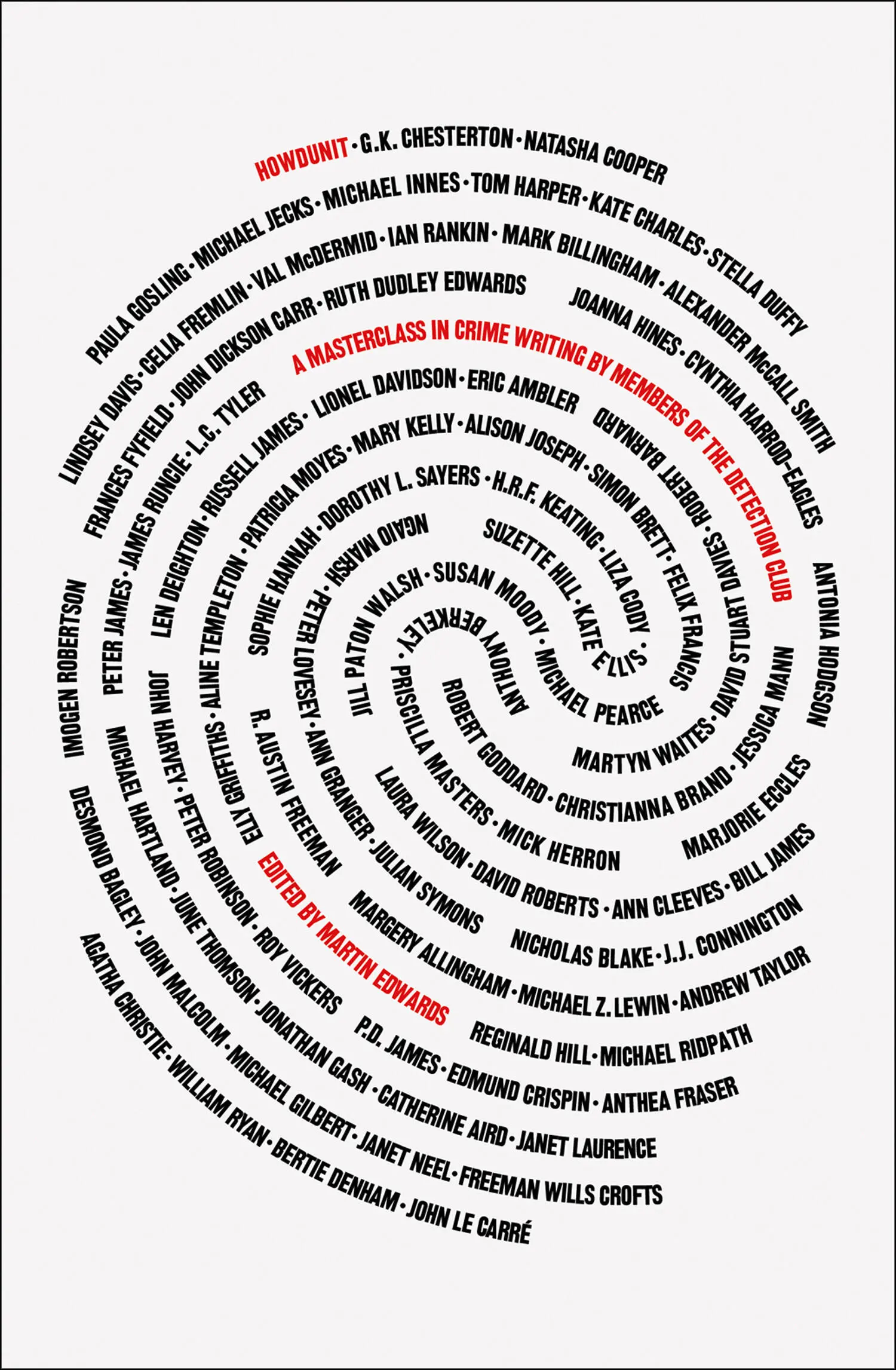
- Название:Howdunit
- Автор:
- Жанр:
- Год:неизвестен
- ISBN:нет данных
- Рейтинг книги:5 / 5. Голосов: 1
-
Избранное:Добавить в избранное
- Отзывы:
-
Ваша оценка:
Howdunit: краткое содержание, описание и аннотация
Предлагаем к чтению аннотацию, описание, краткое содержание или предисловие (зависит от того, что написал сам автор книги «Howdunit»). Если вы не нашли необходимую информацию о книге — напишите в комментариях, мы постараемся отыскать её.
Howdunit — читать онлайн ознакомительный отрывок
Ниже представлен текст книги, разбитый по страницам. Система сохранения места последней прочитанной страницы, позволяет с удобством читать онлайн бесплатно книгу «Howdunit», без необходимости каждый раз заново искать на чём Вы остановились. Поставьте закладку, и сможете в любой момент перейти на страницу, на которой закончили чтение.
Интервал:
Закладка:
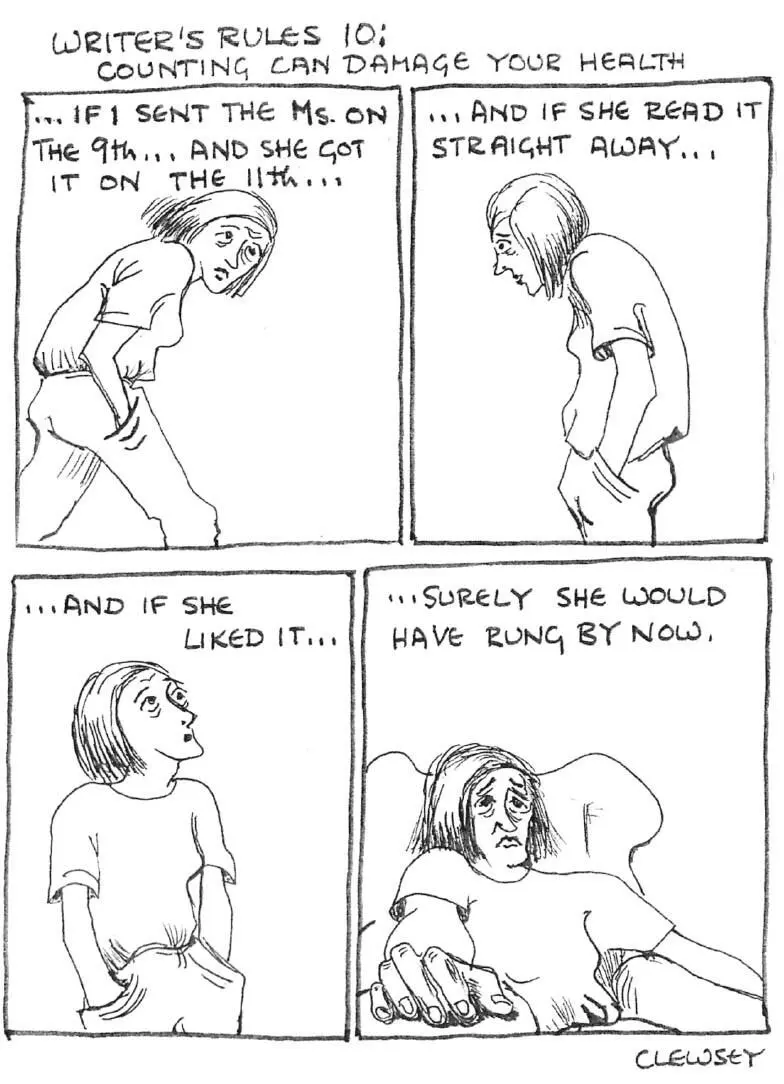
How not to do it? A Detection Club cartoon by Clewsey.
HOWDUNIT
A Masterclass in Crime Writing by Members of the Detection Club
CONCEIVED AND EDITED BY
Martin Edwards

Copyright
COLLINS CRIME CLUB
An imprint of HarperCollins Publishers
1 London Bridge Street
London SE1 9GF
www.harpercollins.co.uk
Published by Collins Crime Club 2020
Copyright © The Detection Club 2020
Introduction and editorial material © Martin Edwards 2020
See the section at the end of this eBook on copyright acknowledgmentsfor further information
The individual authors assert the moral right to be identified as the authors of their work
A catalogue record for this book is available from the British Library
All rights reserved under International and Pan-American Copyright Conventions. By payment of the required fees, you have been granted the non-exclusive, non-transferable right to access and read the text of this e-book on screen. No part of this text may be reproduced, transmitted, down-loaded, decompiled, reverse engineered, or stored in or introduced into any information storage and retrieval system, in any form or by any means, whether electronic or mechanical, now known or hereinafter invented, without the express written permission of HarperCollins.
Source ISBN: 9780008380137
Ebook Edition © September 2020 ISBN: 9780008380144
Version: 2020-07-31
Dedication
Dedicated to Len Deighton, elected to membership of the Detection Club in 1969
Contents
Cover
Title Page
Copyright
Dedication
Premise
Martin Edwards Introduction
Motives
G. K. Chesterton The Value of Detective Fiction
R. Austin Freeman The Art of the Detective Story
Ian Rankin Why Crime Fiction Is Good for You
James Runcie Why Do It?
Frances Fyfield The Moral Compass of the Crime Novel
Beginning
Peter James Motivation
Janet Laurence Getting Started
Freeman Wills Crofts Finding Ideas
Nicholas Blake Sources of Inspiration
Anthea Fraser Making Choices
Ann Granger Putting Murder on the Page
Natasha Cooper Intensity in Crime Writing
John Harvey Openings
Peter Robinson ‘Something Should Happen Now’: Narrative Hooks
People
Mark Billingham Character from Suspense
Bill James Cops and Criminals, Contrast and Comedy
Marjorie Eccles Making Characters Believable
June Thomson Characters, Relationships, and Settings
Places
P. D. James On the Suffolk Coast
Ann Cleeves Human Geography
Michael Ridpath Setting Stories in Unfamiliar Places
M.O.
Val McDermid Let the Story Be the Driver
Lindsey Davis Style
Kate Charles Choosing a Theme
Michael Jecks Pace
William Ryan Writing Scenes
Margery Allingham Dialogue, Rhythm, and Keeping to the Point
Patricia Moyes Listening and Dialogue
Cynthia Harrod-Eagles Writing Dialogue
Perspectives
Aline Templeton Getting a Perspective
Liza Cody What on Earth Is It Like to Be You?
Plots
Agatha Christie Plots
J. J. Connington Logic and Working Backwards
Mary Kelly All Will Be Revealed
Kate Ellis Structuring a Plot
Eric Ambler Voyages of Discovery
Andrew Taylor How to Change Your Murderer
Detectives
Priscilla Masters Amateur Detective or Professional?
Susan Moody Believable Amateurs
Michael Z. Lewin Private Eyes
Research
Ngaio Marsh Getting It Right
Desmond Bagley Keeping Up to Date
John Malcolm Amateurs and Expertise
Detection
Edmund Crispin Detective Stories and Virtuosity
John Dickson Carr Rules and Prejudices
Christianna Brand Classic Ingredients
Michael Innes Clues
Catherine Aird Snakes and Ladders
Sophie Hannah Optimal Subterfuge
Suspense
Robert Goddard Suspense
Julian Symons The Face in the Mirror
Jessica Mann The Suspense Novel
Celia Fremlin The Hours Before Dawn
Action
Lionel Davidson Inspiration, Perspiration, Realization
Tom Harper Adventure Fiction
Felix Francis Writing Action Scenes
Michael Gilbert Filling the Gaps
Michael Hartland Constructing a Thriller
Mick Herron The Cold War, Then and Now
History
Michael Pearce A Laying On of Hands
Imogen Robertson The Christmas Tree Theory of Historical Research
L. C. Tyler Historical Dialogue
Humour
Alexander McCall Smith Humour and Human Nature
Robert Barnard Characters and Caricature
Ruth Dudley Edwards Humour and Satire
In Short
Roy Vickers Let’s Pretend
H. R. F Keating Switch-overs in Short Stories
Fiction and Fact
Peter Lovesey Fictionalizing Characters and Crimes from Real Life
Anthony Berkeley Trial and Error
Partners in Crime
Dorothy L. Sayers Collaborative Writing
Adapting
Alison Joseph Writing for Radio
Simon Brett Adaptability
Challenges
Martyn Waites Impostor Syndrome
Suzette A. Hill Writing: a Painful Pleasure
David Stuart Davies Writer’s Block
Stella Duffy Improvising
Ending
Laura Wilson The End of the Beginning
Joanna Hines In My End
Publishing
David Roberts The Changing Face of Publishing
Antonia Hodgson What Editors Want
Russell James Traditional versus Self-Publishing
Jill Paton Walsh One Thing Leads to Another
Writing Lives
Reginald Hill The Writing Process
Paula Gosling Keeping Track
Jonathan Gash Reading for Pleasure
Janet Neel Don’t Give Up the Day Job
Bertie Denham Writing to Relax
Elly Griffiths Social Media and the Death of Nancy
John Le Carré The Joy of Writing
Len Deighton Different Books; Different Problems; Different Solutions
The Contributors: Biographical Notes
The Detection Club: Presidents
The Detection Club: Members
Index of Authors
Subject Index
Copyright and Acknowledgements
Keep Reading …
About the Publisher
Premise
Introduction
In Howdunit , no fewer than ninety leading crime novelists offer personal perspectives on their approach to their craft – and on the writing life. There are countless valuable insights for would-be writers, but our overriding aim is to entertain and inform anyone who enjoys crime fiction. And perhaps even some people who don’t regard themselves as crime fans – at least not yet – but who are fascinated by the way authors work.
Читать дальшеИнтервал:
Закладка:
Похожие книги на «Howdunit»
Представляем Вашему вниманию похожие книги на «Howdunit» списком для выбора. Мы отобрали схожую по названию и смыслу литературу в надежде предоставить читателям больше вариантов отыскать новые, интересные, ещё непрочитанные произведения.


Обсуждение, отзывы о книге «Howdunit» и просто собственные мнения читателей. Оставьте ваши комментарии, напишите, что Вы думаете о произведении, его смысле или главных героях. Укажите что конкретно понравилось, а что нет, и почему Вы так считаете.