Howdunit
Здесь есть возможность читать онлайн «Howdunit» — ознакомительный отрывок электронной книги совершенно бесплатно, а после прочтения отрывка купить полную версию. В некоторых случаях можно слушать аудио, скачать через торрент в формате fb2 и присутствует краткое содержание. Жанр: unrecognised, на английском языке. Описание произведения, (предисловие) а так же отзывы посетителей доступны на портале библиотеки ЛибКат.
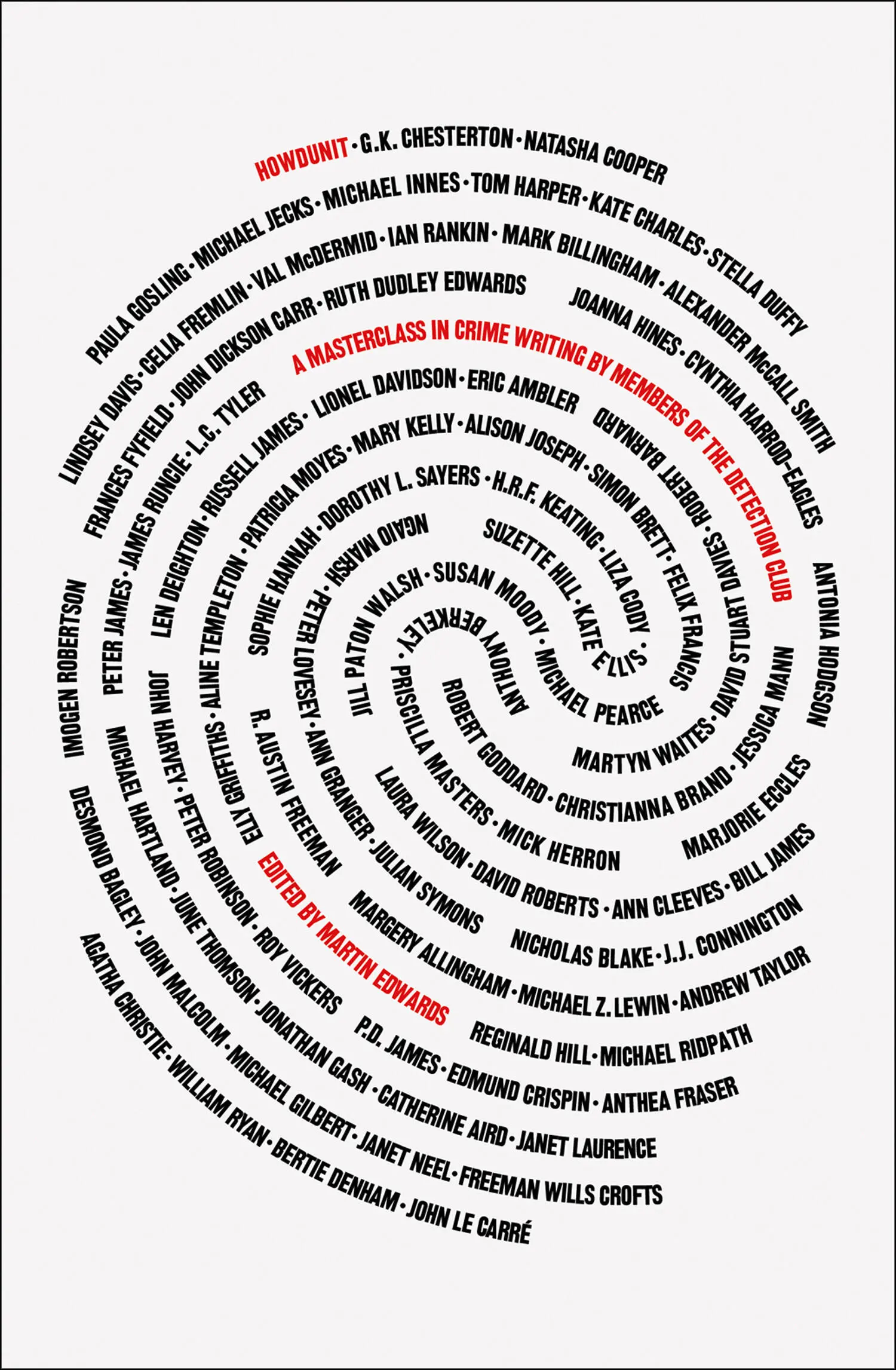
- Название:Howdunit
- Автор:
- Жанр:
- Год:неизвестен
- ISBN:нет данных
- Рейтинг книги:5 / 5. Голосов: 1
-
Избранное:Добавить в избранное
- Отзывы:
-
Ваша оценка:
Howdunit: краткое содержание, описание и аннотация
Предлагаем к чтению аннотацию, описание, краткое содержание или предисловие (зависит от того, что написал сам автор книги «Howdunit»). Если вы не нашли необходимую информацию о книге — напишите в комментариях, мы постараемся отыскать её.
Howdunit — читать онлайн ознакомительный отрывок
Ниже представлен текст книги, разбитый по страницам. Система сохранения места последней прочитанной страницы, позволяет с удобством читать онлайн бесплатно книгу «Howdunit», без необходимости каждый раз заново искать на чём Вы остановились. Поставьте закладку, и сможете в любой момент перейти на страницу, на которой закончили чтение.
Интервал:
Закладка:
I aimed to edit the contributions as lightly as possible, despite inevitable overlaps and constraints of space. Of course, in terms of subject matter, we wanted to round up the usual suspects – plotting, people, and place – but also to do much more. So, to take two examples out of many, we have Mark Billingham reflecting on the nexus between stand-up comedy and suspenseful fiction, and Stella Duffy drawing on her experience in the theatre to suggest ways in which writers can learn from the art of improvisation.
Without a huge amount of goodwill on the part of many people and organizations, Howdunit could never have come into existence. I’m grateful to everyone who has helped me to put the book together, not least those who have tracked down or helped me to assemble potential contributions, including Nigel Moss, John Curran, Tony Medawar, James Hallgate, Lady Denham, Denis Kendal, the numerous literary agents who have assisted in my efforts to secure the rights and the material, not least Georgia Glover of David Higham, the Club’s own agent, and those who have contributed to the editorial process, including Mike Lewin, Dea Parkin and John Garth. David Brawn has proved (once again) to be a superb editor, and I greatly appreciate the support of David and his colleagues at HarperCollins who have worked on this book. Above all, my heartfelt thanks go to Len Deighton and my other friends and colleagues within the Detection Club for their kindness and generosity in making sure that the idea of this book became an exciting reality.
Martin Edwards
Motives
What is the value of crime fiction? Why bother to write it or read it? These old questions continue to be asked. Gilbert Keith Chesterton, who became the first President of the Detection Club, provided some answers. ‘The Value of Detective Stories’, published in The Speaker on 21 June 1901, from which this extract is taken, was subsequently retitled ‘A Defence of Detective Stories’ and is the first significant essay extolling the merits of the genre.

The Value of Detective Fiction
G. K. Chesterton
The first essential value of the detective story lies in this, that it is the earliest and only form of popular literature in which is expressed some sense of the poetry of modern life. Men lived among mighty mountains and eternal forests for ages before they realized that they were poetical; it may reasonably be inferred that some of our descendants may see the chimney-pots as rich a purple as the mountain-peaks, and find the lamp-posts as old and natural as the trees. Of this realization of a great city itself as something wild and obvious the detective story is certainly the Iliad .
No one can have failed to notice that in these stories the hero or the investigator crosses London with something of the loneliness and liberty of a prince in a tale of elfland, that in the course of that incalculable journey the casual omnibus assumes the primal colours of a fairy ship. The lights of the city begin to glow like innumerable goblin eyes, since they are the guardians of some secret, however crude, which the writer knows and the reader does not. Every twist of the road is like a finger pointing to it; every fantastic skyline of chimney-pots seems wildly and derisively signalling the meaning of the mystery.
Chesterton’s argument about the role of the lonely urban detective has often been echoed or refashioned, with the gumshoe going down the mean streets most famously compared – by Raymond Chandler in ‘The Simple Art of Murder’ – to a knight errant.
Despite Chesterton’s eloquence, scepticism about the detective story persisted. In 1924, Richard Austin Freeman, pioneering creator of the scientific detective Dr John Thorndyke and later a founder member of the Detection Club (and an author Chandler described as ‘a wonderful performer’) wrote a long essay in The Nineteenth Century and After to defend his craft. Here is an extract.
The Art of the Detective Story
R. Austin Freeman
The status in the world of letters of that type of fiction which finds its principal motive in the unravelment of crimes or similar intricate mysteries presents certain anomalies. By the critic and the professedly literary person the detective story – to adopt the unprepossessing name by which this class of fiction is now universally known – is apt to be dismissed contemptuously as outside the pale of literature, to be conceived of as a type of work produced by half-educated and wholly incompetent writers for consumption by office boys, factory girls, and other persons devoid of culture and literary taste.
That such works are produced by such writers for such readers is an undeniable truth; but in mere badness of quality the detective story holds no monopoly. By similar writers and for similar readers there are produced love stories, romances, and even historical tales of no better quality. But there is this difference: that, whereas the place in literature of the love story or the romance has been determined by the consideration of the masterpieces of each type, the detective story appears to have been judged by its failures. The status of the whole class has been fixed by an estimate formed from inferior samples.
What is the explanation of this discrepancy? Why is it that, whereas a bad love story or romance is condemned merely on its merits as a defective specimen of a respectable class, a detective story is apt to be condemned without trial in virtue of some sort of assumed original sin? The assumption as to the class of reader is manifestly untrue. There is no type of fiction that is more universally popular than the detective story …
This being the case, I again ask for an explanation of the contempt in which the whole genus of detective fiction is held by the professedly literary. Clearly, a form of literature which arouses the enthusiasm of men of intellect and culture can be affected by no inherently base quality. It cannot be foolish, and is unlikely to be immoral. As a matter of fact, it is neither. The explanation is probably to be found in the great proportion of failures; in the tendency of the tyro and the amateur perversely to adopt this difficult and intricate form for their ’prentice efforts; in the crude literary technique often associated with otherwise satisfactory productions; and perhaps in the falling off in quality of the work of regular novelists when they experiment in this department of fiction, to which they may be adapted neither by temperament nor by training.
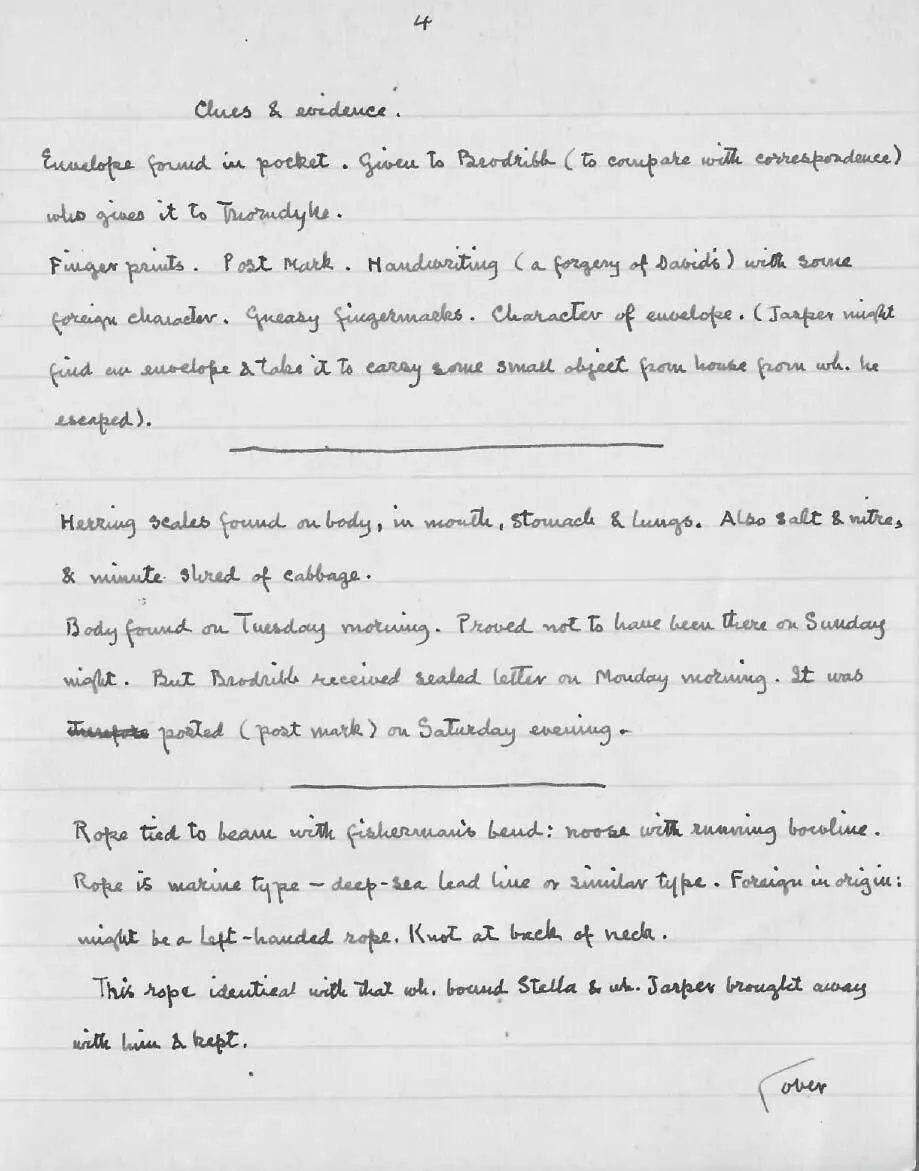
An extract from Richard Austin Freeman’s notebook detailing ‘Clues & evidence’ in the novel he was planning, Pontifex, Son and Thorndyke .
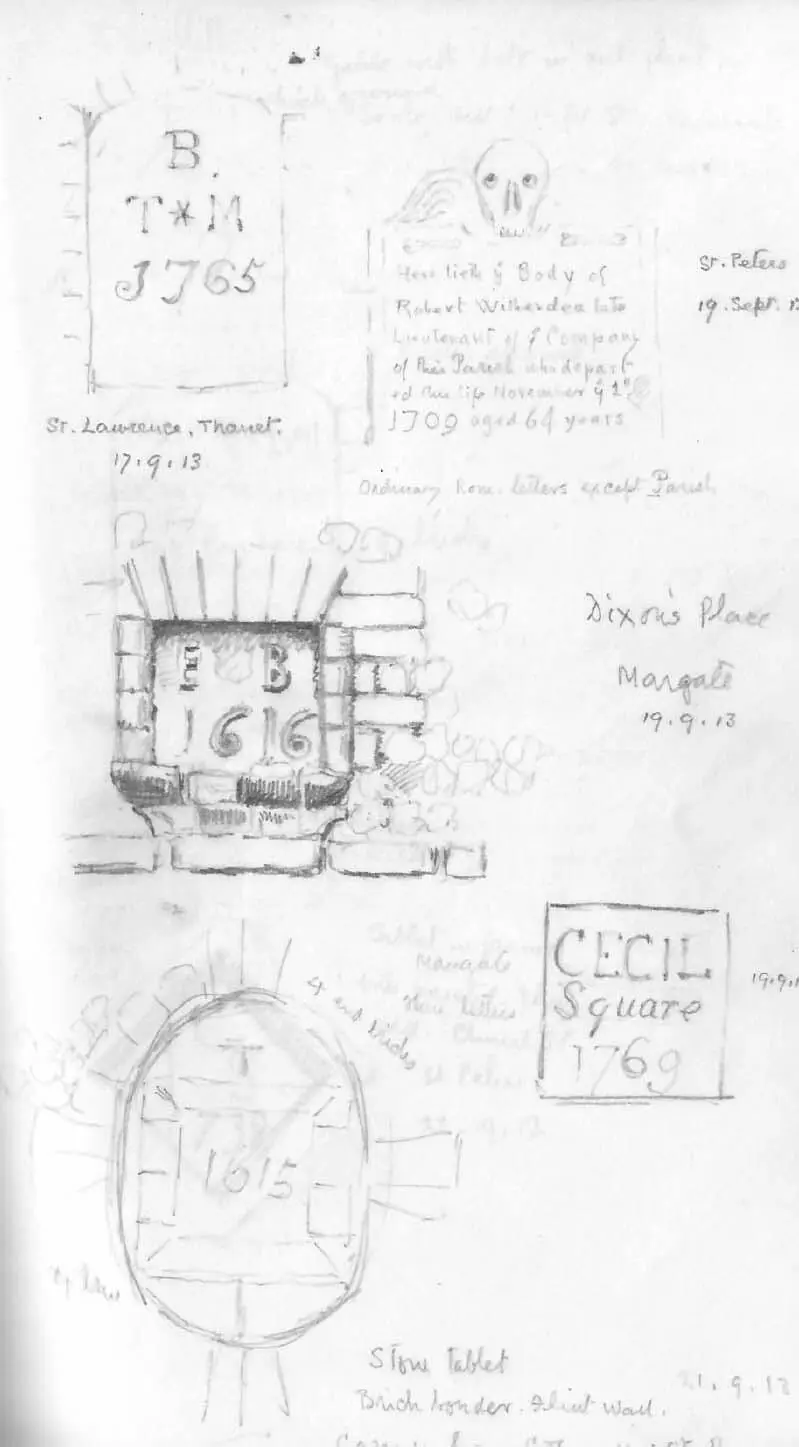
Richard Austin Freeman was a capable amateur artist and kept a sketchbook, which includes several pages like these of inscriptions on ancient gravestones.
Читать дальшеИнтервал:
Закладка:
Похожие книги на «Howdunit»
Представляем Вашему вниманию похожие книги на «Howdunit» списком для выбора. Мы отобрали схожую по названию и смыслу литературу в надежде предоставить читателям больше вариантов отыскать новые, интересные, ещё непрочитанные произведения.

Обсуждение, отзывы о книге «Howdunit» и просто собственные мнения читателей. Оставьте ваши комментарии, напишите, что Вы думаете о произведении, его смысле или главных героях. Укажите что конкретно понравилось, а что нет, и почему Вы так считаете.