Howdunit
Здесь есть возможность читать онлайн «Howdunit» — ознакомительный отрывок электронной книги совершенно бесплатно, а после прочтения отрывка купить полную версию. В некоторых случаях можно слушать аудио, скачать через торрент в формате fb2 и присутствует краткое содержание. Жанр: unrecognised, на английском языке. Описание произведения, (предисловие) а так же отзывы посетителей доступны на портале библиотеки ЛибКат.
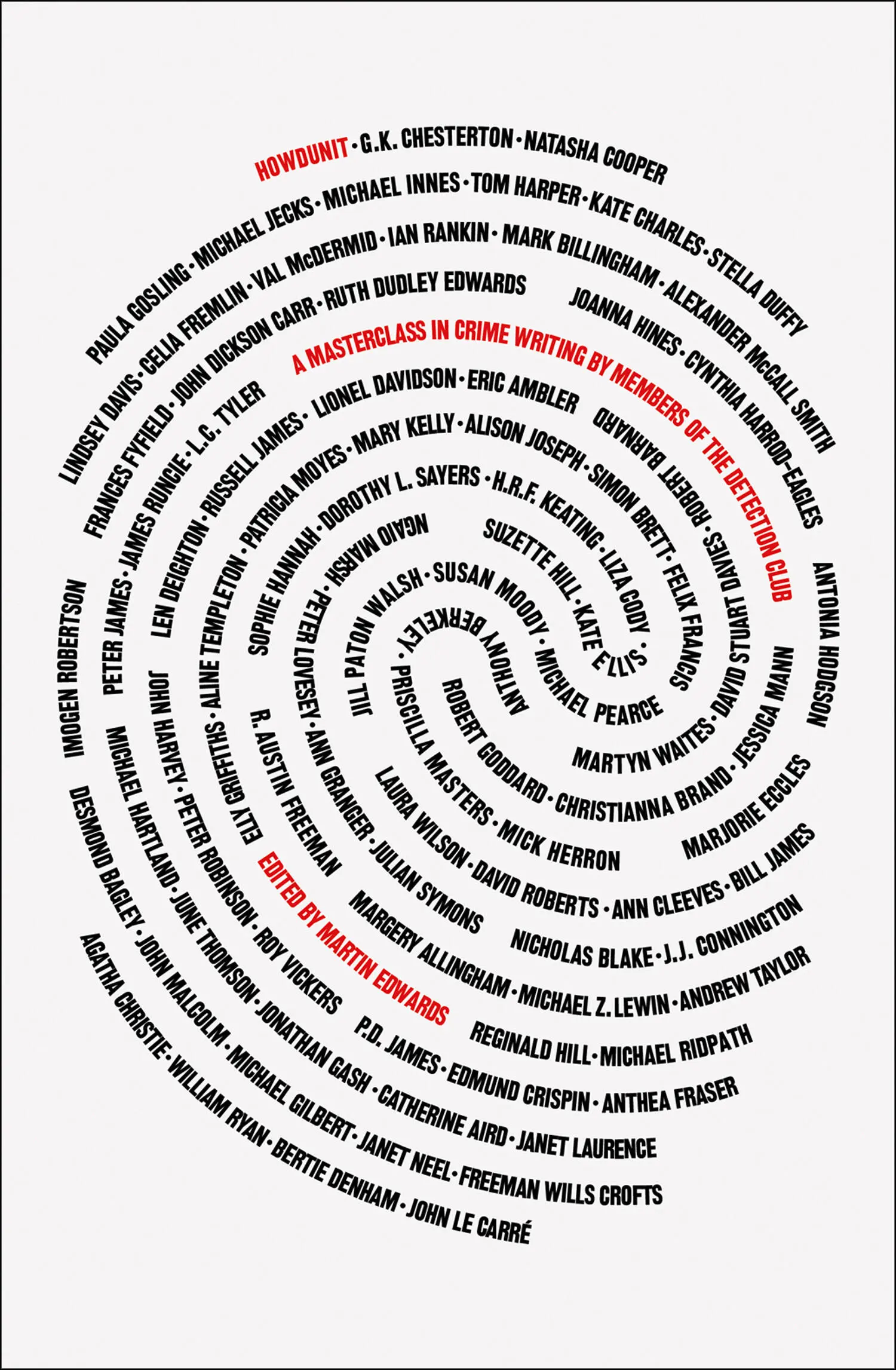
- Название:Howdunit
- Автор:
- Жанр:
- Год:неизвестен
- ISBN:нет данных
- Рейтинг книги:5 / 5. Голосов: 1
-
Избранное:Добавить в избранное
- Отзывы:
-
Ваша оценка:
Howdunit: краткое содержание, описание и аннотация
Предлагаем к чтению аннотацию, описание, краткое содержание или предисловие (зависит от того, что написал сам автор книги «Howdunit»). Если вы не нашли необходимую информацию о книге — напишите в комментариях, мы постараемся отыскать её.
Howdunit — читать онлайн ознакомительный отрывок
Ниже представлен текст книги, разбитый по страницам. Система сохранения места последней прочитанной страницы, позволяет с удобством читать онлайн бесплатно книгу «Howdunit», без необходимости каждый раз заново искать на чём Вы остановились. Поставьте закладку, и сможете в любой момент перейти на страницу, на которой закончили чтение.
Интервал:
Закладка:
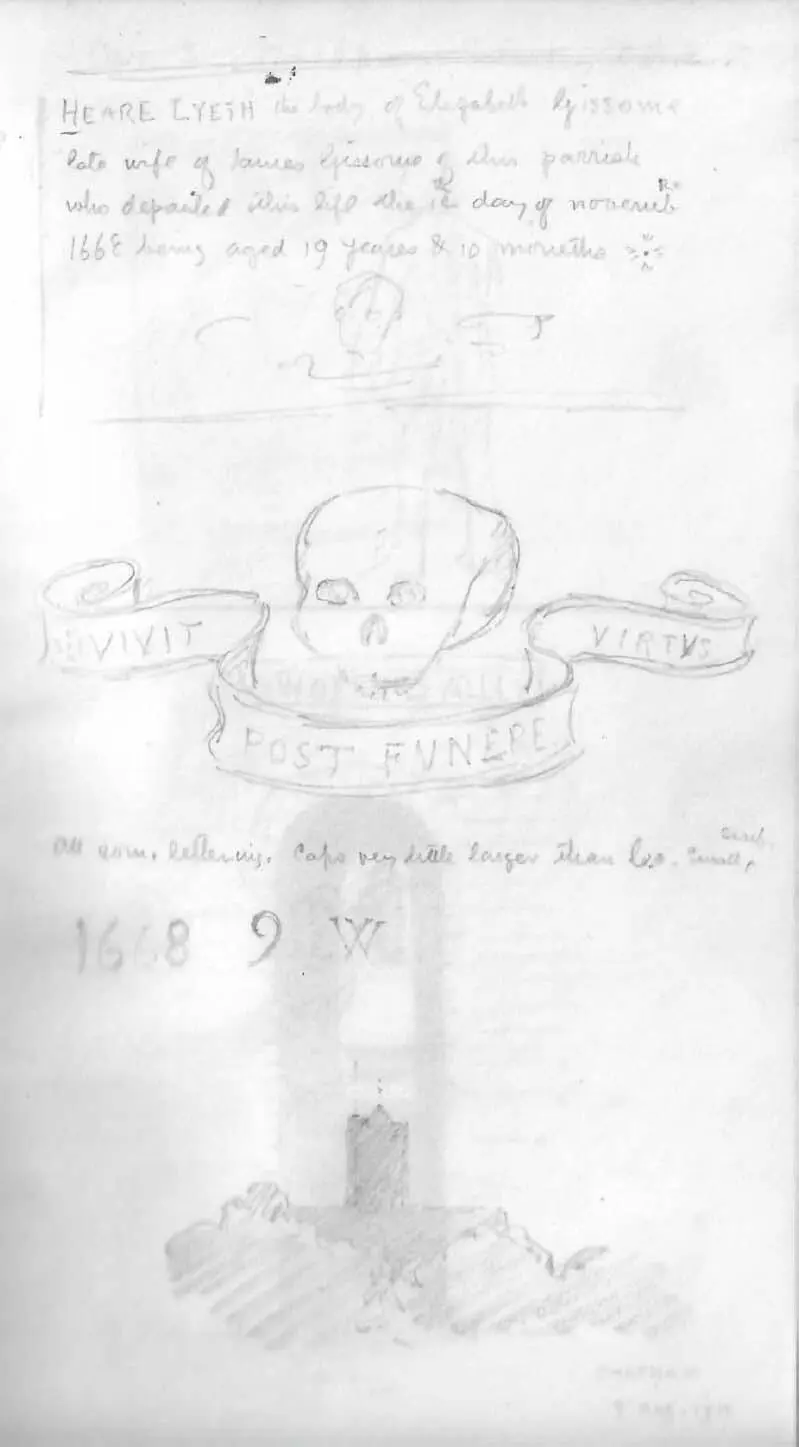
An illustration of this type appears in Dr Thorndyke Intervenes and adds interest to a mystery about inheritance and a missing body.

Despite the flood of high-calibre crime novels over the years, some people continue to express reservations about the genre, frequently confusing their personal reading preferences with objective arguments about literary merit.
John Bingham, a Detection Club author who was also a spy (said to have been used by his colleague John Le Carré as a model for George Smiley) wrote a full-page article for the TV Times in the summer of 1958 headed ‘A Thriller a Day Keeps Crime at Bay’. He highlighted what he saw as the sociological value of crime fiction, suggesting that it may deter criminals, by showing the consequences of law-breaking, and may help to recruit people to the police (although several of Bingham’s finest novels were notable for the ruthless interrogations of innocent suspects; so much so that in Murder Plan Six , he felt impelled to write a preface denying that he was ‘anti-police’).
H. R. F. Keating, sixth President of the Club, said in Writing Crime Fiction that the genre ‘puts its reader first, not the writer’ whilst contending that, quite apart from its value as entertainment, ‘the crime story can, to a small extent or to quite a large extent, do what the pure novel does. It can make a contemporary map for its readers out of the chaos of their surroundings.’
In modern times, Ian Rankin has been a powerful and persuasive advocate of the genre’s quality and importance. In 1999, he gave a lecture in Japan under the aegis of the British Council arguing that crime fiction has real value. Developing and updating those arguments in this essay, he makes a formidable case.
Why Crime Fiction Is Good for You
Ian Rankin
Why is crime fiction good for you? Well, it is about tragedy and our emotional responses to tragedy. It is also about moral choices and questions. It can be utterly serious in intent, yet still entertaining. It is still occasionally dismissed by the literary establishment as mere genre fiction – fine if you need something to pass the time, but not quite important enough to merit serious study. Yet ironically many literary novels (past and present) use the exact same tropes as crime fiction.
In the widest sense, of course, all fiction is good for you. It relaxes and entertains; it moves the reader from his or her own consciousness into that of other people in what can often be very different cultures and circumstances. In doing so it broadens our appreciation of human nature and the world around us. At some point in history, however, genre fiction became separated from literary or mainstream fiction, which are apparently more ‘serious’ in their approaches and ambitions. Yet it can be argued that early pulp fiction, such as that published in cheap popular magazines by the likes of Raymond Chandler and Dashiell Hammett, is the child of the serials and stories written by Charles Dickens, Arthur Conan Doyle and others; stories which in their day were exemplars of mass entertainment, even sensationalist, like modern-day TV soaps, but are now regarded as literature. Dickens in his own day was not regarded as a particularly worthy writer; rather, he was a forerunner of the modern airport bestseller. This gives me hope that many of today’s crime and thriller writers will in the future come to be regarded as powerful moralists and stylists as well as tellers of fascinating tales.
If we examine the canon of Western literature, especially the novel, we find that the main ingredients of crime fiction – violence, sudden reversals, mystery, deception, moral dilemmas and so on – can be found everywhere, from the Greek epics to contemporary Booker Prize winners. Ask yourself what keeps you reading a particular novel. It is the need to know what happens next. Novels need to pose questions and problems which will be resolved only if the reader keeps reading. If an author makes us curious, we will keep turning the pages. In a sense therefore all readers are detectives, and the crime novel merely codifies this essential aspect of the pleasure of reading.
The great crime writer and critic Julian Symons (one-time President of the Detection Club) once described the folk tale Little Red Riding Hood as an interesting case of disguise and attempted murder. Murder, suspense and betrayal can be found throughout folk literature and in the classic texts of most if not all civilizations – from The Odyssey through Hamlet and King Lear to the novels of Ruth Rendell and P. D. James. The poet and detective novelist C. Day-Lewis thought of the whodunit specifically as a twentieth-century form of folk tale, while for his fellow poet W. H. Auden the classical detective story seemed an allegory of the ‘death’ of happiness. In real life, we seldom know what specifically killed off our happiness, whereas in the novel the seemingly random nature of existence is given an explanation – in crime fiction, death never happens without good reason and the causes of death never go unexplained (and are seldom unpunished).
Auden of course was talking of the ‘classical’ English detective story. Things have been changing more recently, the crime novel becoming ever more elastic. Consider the various terms by which it is known: the crime novel, detective novel, whodunit, suspense novel, roman noir , hard-boiled, pulp, police procedural, mystery novel, domestic noir , Scandi noir … even tartan noir. The reason for this proliferation may lie in confusion about the basic identity of the crime novel. This is a genre after all that would seek to include everything from the most basic puzzle-style story up to the likes of Dostoevsky. P. D. James tried to have it both ways when she described a successfully realized crime novel as combining ‘the old traditions of an exciting story and the satisfying exercise of rational deduction with the psychological subtleties and moral ambiguities of a good novel’. Certainly crime novels are intended to entertain. They are products of popular culture. As such they must turn a profit, for few institutions and publicly backed funders will subsidise them. Crime fiction may have literary aspirations, but its emphasis on entertainment ensures that these aspirations do not deter potential readers. Crime fiction is democratic in that it is accessible to all.
Before the Second World War, the crime novel in the UK reassured its readership that all would be well, that society might occasionally be shaken up (by some heinous crime such as murder) but that order would quickly be restored. A courteous and brilliant detective would bring elucidation and the guilty party or parties would be uncovered and sent for trial. The tight confines of this fictional universe, and the neat conclusions, provided pleasure to many but meant that the crime novel was considered as escapist literature, since real life seldom provided its own set of pat resolutions. In the United States, authors such as Raymond Chandler began to argue against such tidy (and mostly bloodless) confections. He wanted crime fiction to be a bit more cynical about human nature, creating a world of tarnished knights such as Philip Marlowe. Chandler sensed that what crime fiction really needed was a sense of the incomplete and of life’s messy complexity. The reader should go to crime fiction to be challenged by these realities. Practitioners in the UK began to realize this, too – gritty urban settings competed with rural idylls; good did not always triumph over evil; evil couldn’t always be explained away. In contemporary crime fiction the villains may escape justice altogether, or the reader may be invited to take sides with the criminal against the powers of law and order. There are even novels with no detectives and no mysteries, showing a world in which criminality, in the form of organized crime, operates openly and without apparent hindrance.
Читать дальшеИнтервал:
Закладка:
Похожие книги на «Howdunit»
Представляем Вашему вниманию похожие книги на «Howdunit» списком для выбора. Мы отобрали схожую по названию и смыслу литературу в надежде предоставить читателям больше вариантов отыскать новые, интересные, ещё непрочитанные произведения.



Обсуждение, отзывы о книге «Howdunit» и просто собственные мнения читателей. Оставьте ваши комментарии, напишите, что Вы думаете о произведении, его смысле или главных героях. Укажите что конкретно понравилось, а что нет, и почему Вы так считаете.