SS
Здесь есть возможность читать онлайн «SS» весь текст электронной книги совершенно бесплатно (целиком полную версию без сокращений). В некоторых случаях можно слушать аудио, скачать через торрент в формате fb2 и присутствует краткое содержание. Жанр: Справочники, на английском языке. Описание произведения, (предисловие) а так же отзывы посетителей доступны на портале библиотеки ЛибКат.

- Название:SS
- Автор:
- Жанр:
- Год:неизвестен
- ISBN:нет данных
- Рейтинг книги:5 / 5. Голосов: 1
-
Избранное:Добавить в избранное
- Отзывы:
-
Ваша оценка:
SS: краткое содержание, описание и аннотация
Предлагаем к чтению аннотацию, описание, краткое содержание или предисловие (зависит от того, что написал сам автор книги «SS»). Если вы не нашли необходимую информацию о книге — напишите в комментариях, мы постараемся отыскать её.
SS — читать онлайн бесплатно полную книгу (весь текст) целиком
Ниже представлен текст книги, разбитый по страницам. Система сохранения места последней прочитанной страницы, позволяет с удобством читать онлайн бесплатно книгу «SS», без необходимости каждый раз заново искать на чём Вы остановились. Поставьте закладку, и сможете в любой момент перейти на страницу, на которой закончили чтение.
Интервал:
Закладка:
Customer assets
Service asset s
Which customer asset s do we support?
Who are the user s of our services?
What assets do we deploy to provide value?
How do we deploy our assets?
Activity or task
Warranty
What type of activity do we support?
How do we track performance ?
How do we create value for them?
What assurances do we provide?
Table 4.3 Analysis of service definitions for action
Without the context in which the customers use services it is difficult to completely define value. Without complete definition of value, there cannot be complete production of value. As a result, outcomes are not fulfilled to the customer’s satisfaction.
However, it is not to say that a service cannot be developed without a customer in hand. It simply means that the story of a service begins either with the needs of a specific customer or a category of customers (i.e. market space ). Customer needs exist and are fulfilled independent of service provider s or their services. However, value for a customer rests on not only fulfilment of these needs, but also how they are fulfilled, and often at what risk s and costs. Certain services create value by preventing or recovering from undesirable conditions or states. In such cases customers may desire a change in the risks to which their assets may be exposed. In either case, the second-order effect of services is that the changes they produce, or prevent, have a positive and usually measurable effect on the performance and outcomes of the customer’s business.
These types of questions and others of a similar nature are crucial for an organization to consider in the implementation of a strategic approach to service management . They are applied by all types of service providers, internal and external. What changes is the context and meaning of certain ideas such as customers, contract s, competition, market spaces, revenue and strategy . In fact, these clarifying questions are particularly important for internal service provider s who typically operate within the realm of an enterprise or government agency, have customers who are also owners, and whose strategic objective s may not always be clear.
4.2.3 Service Portfolio, Pipeline and Catalogue
The Service Portfolio represents the commitments and investments made by a service provider across all customers and market spaces. It represents present contractual commitments, new service development , and ongoing service improvement plan s initiated by Continual Service Improvement (Figure 4.10). The portfolio also includes third-party services, which are an integral part of service offerings to customers. Some third-party services are visible to the customers while others are not. Chapter 5 provides further guidance on how to develop and manage portfolios.
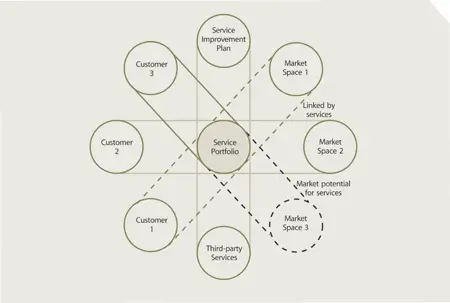
Figure 4.10 Service Portfolio
The portfolio management approach helps managers prioritize investments and improve the allocation of resource s. Changes to portfolios are governed by policies and procedures. Portfolios instil a certain financial discipline necessary to avoid making investments that will not yield value. Service Portfolio s represent the ability and readiness of a service provider to serve customers and market spaces. The Service Portfolio is divided into three phases: Service Catalogue , Service Pipeline and Retire d Services (Figure 4.11).
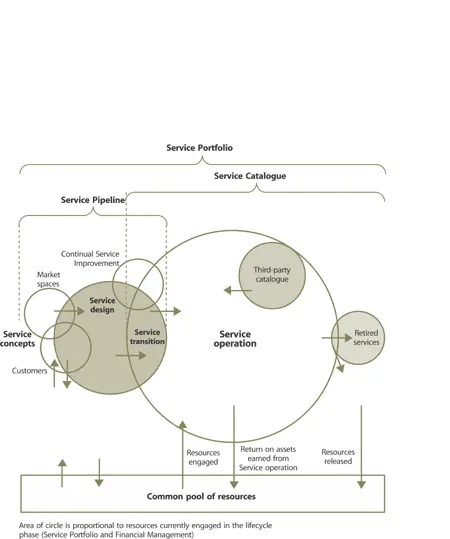
Figure 4.11 Service Pipeline and Service Catalogue
The Service Portfolio represents all the resources presently engaged or being released in various phases of the Service Lifecycle . Each phase requires resources for completion of project s, initiatives and contracts. This is a very important governance aspect of Service Portfolio Management (SPM). Entry, progress and exit are approved only with approved funding and a financial plan for recovering costs or showing profit as necessary. The Portfolio should have the right mix of services in the pipeline and catalogue to secure the financial viability of the service provider . The Service Catalogue is the only part of the Portfolio that recovers costs or earns profits.
In summary, SPM is about maximizing value while managing risk s and costs. The value realization is derived from better service delivery and customer experiences. Through SPM, managers are better able to understand quality requirement s and related delivery costs. They can then seek to reduce costs through alternative means while maintaining service quality. The SPM journey begins with documenting the organization ’s standardized services, and as such has strong links to Service level management , particularly the Service Catalogue (Figure 4.12).
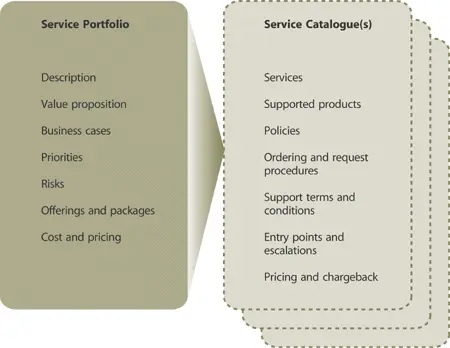
Figure 4.12 Elements of a Service Portfolio and Service Catalogue
4.2.3.1 Service Catalogue
The Service Catalogue is the subset of the Service Portfolio visible to customers. It consists of services presently active in the Service Operation phase and those approved to be readily offered to current or prospective customers. Items can enter the Service Catalogue only after due diligence has been performed on related costs and risks. Resource s are engaged to fully support active services.
The Catalogue is useful in developing suitable solutions for customers from one or more services. Items in the Catalogue can be configured and suitably priced to fulfil a particular need. The Service Catalogue is an important tool for Service Strategy because it is the virtual projection of the service provider’s actual and present capabilities. Many customers are only interested in what the provider can commit now, rather than in future. The value of future possibilities is discounted in the present.
It serves as a service order and demand channelling mechanism. It communicates and defines the policies, guideline s and accountability required for SPM. It defines the criteria for what services fall under SPM and the objective of each service. It acts as the acquisition portal for customers, including pricing and service-level commitments, and the terms and conditions for service provisioning. It is in the Service Catalogue that services are decomposed into component s; it is where asset s, processes and system s are introduced with entry points and terms for their use and provisioning. As providers may have many customers or serve many businesses, there may be multiple Service Catalogues projected from the Service Portfolio. In other words, a Service Catalogue is an expression of the provider’s operational capability within the context of a customer or market space .
The Service Catalogue is also a visualization tool for SPM decisions. It is in the catalogue that demand for services comes together with the capacity to fulfil it. Customer assets attached to a business outcome are sources of demand (Figure 4.13). In particular, they have expectations of utility and warranty. If any items in the catalogue can fulfil those expectations, a connection is made resulting in a service contract or agreement . Catalogue items are clustered into Lines of Service (LOS) based on common patterns of business activity (PBA) they can support.
Читать дальшеИнтервал:
Закладка:
Обсуждение, отзывы о книге «SS» и просто собственные мнения читателей. Оставьте ваши комментарии, напишите, что Вы думаете о произведении, его смысле или главных героях. Укажите что конкретно понравилось, а что нет, и почему Вы так считаете.