Ben Okri - The Famished Road
Здесь есть возможность читать онлайн «Ben Okri - The Famished Road» весь текст электронной книги совершенно бесплатно (целиком полную версию без сокращений). В некоторых случаях можно слушать аудио, скачать через торрент в формате fb2 и присутствует краткое содержание. Жанр: Современная проза, на английском языке. Описание произведения, (предисловие) а так же отзывы посетителей доступны на портале библиотеки ЛибКат.
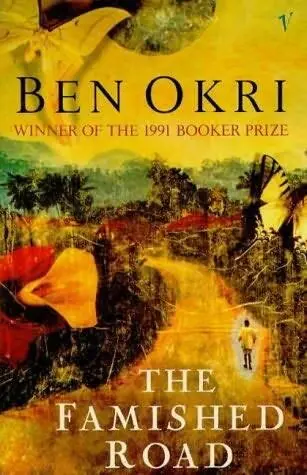
- Название:The Famished Road
- Автор:
- Жанр:
- Год:неизвестен
- ISBN:нет данных
- Рейтинг книги:5 / 5. Голосов: 1
-
Избранное:Добавить в избранное
- Отзывы:
-
Ваша оценка:
The Famished Road: краткое содержание, описание и аннотация
Предлагаем к чтению аннотацию, описание, краткое содержание или предисловие (зависит от того, что написал сам автор книги «The Famished Road»). Если вы не нашли необходимую информацию о книге — напишите в комментариях, мы постараемся отыскать её.
The Famished Road — читать онлайн бесплатно полную книгу (весь текст) целиком
Ниже представлен текст книги, разбитый по страницам. Система сохранения места последней прочитанной страницы, позволяет с удобством читать онлайн бесплатно книгу «The Famished Road», без необходимости каждый раз заново искать на чём Вы остановились. Поставьте закладку, и сможете в любой момент перейти на страницу, на которой закончили чтение.
Интервал:
Закладка:
That same afternoon three men in French suits turned up at the photographer’s place. He wasn’t in and they stood in front of his glass cabinet, staring at the new pictures he had stuck up. The men stared at the pictures with great interest and they aroused our curiosity and we were impatient for the men to leave. But the three men stayed.
They weredressedidentically,woredarksunglasses,andkeptlookingnervouslyat the surrounding houses. They waited for the photographer for a long time and with great patience. They stood in front of the cabinet, without moving, while the sun changed the position of their shadows. The photographer’s co-tenants became curious about the three men and sent children to ask them if they wanted to buy soft drinks or food. They didn’t; and so two women, with children on their backs, went over to them and asked a lot of questions and got quite heated and made gestures which started people gathering and the three men became embarrassed and went for a walk. They walked up the street and I followed them. They went to Madame Koto’s bar and ordered a glass of palm-wine each.
I went back to the photographer’s compound and sat near the glass cabinet. After a while I saw him coming, weighed down by his new myth and his camera and his tripod stand. I ran over to tellhimthat threemen had been waitingfor him.
‘For me?Why?’ heasked, turningback in thedirection hehad just comefrom.
‘I don’t know, but your compound people gave them trouble.’
‘What did they look like? Are they policemen?’
‘I don’t know. They were tall and wore glasses.’
‘Dark glasses?’
‘Very dark. I couldn’t see their eyes.’
He started walking in a hurry. He went towards the main road. I tried to keep up with him. I held on to his hand.
‘Leave me alone.’
‘What areyou goingto do?’ I asked.
‘Run.’
‘Where?’
‘Away.’
‘What about the men?’
‘What men?’
‘The men in dark glasses.’
‘Let them wait. When they have gone, I will come back.’
Then he broke into a run, looking furtively in all directions, as if he had suddenly realised that he was surrounded by visible and invisible enemies. He ran in a zigzag along the street. He ducked and dashed under the eaves. He wound his way in and out of compounds, crouchinglow, his tripod bobbingbehind him, tillhedisappeared.
I went back to our compound and sat outside and watched the photographer’s house. The three men didn’t reappear. After a while I went to look at the new pictures in the cabinet. They showed thugs beating up market women. They showed the leader of the Party of Bad Milk from odd angles that made his face seem bloated, his eyes bulbous, his mouth greedy. He had pictures of politicians being stoned at a rally, he caught their panic, their cowardice, and their humiliation. He also had photographs of beautifulgirls and achoir of boys andanativedoctorstandinginfrontofawretchedlookingshrine.
I looked at the pictures a long time and I got tired and the sun was pitiless on my brain, burningthrough my hairandskullandturningmy thoughtsintoayellowheat.I went and sat outside our door and I didn’t know what else to do; so I set out to look for Mum at the marketplace.
As I walked down our street, under the persistence of the yellow sun, with everything naked, the children bare, the old men with exhausted veins pumping on dried-up foreheads, I was frightened by the feeling that there was no escape from the hard things of this world. Everywhere there was the crudity of wounds, the stark huts, the rusted zinc abodes, the rubbish in the streets, children in rags, the little girls naked on the sand playing with crushed tin-cans, the little boys jumping about uncircumcised, making machine-gun noises, the air vibrating with poisonous heat and evaporating waterfromthefilthy gutters.Thesunbaredthereality ofourlivesandeverythingwas so harsh it was a mystery that we could understand and care for one another or for anythingat all.
I passed a house where a woman was screaming. People were gathered outside her room. I thought thugs were beating her up and I went there and learned that she was giving birth and that she had been in labour for three days and three nights. I asked so many questions that the gathered adults finally noticed I was a child and drove me away.Iwent onwithmy wanderings,notknowingwhereIwasheaded,exceptthatI had conceived the desire to see Mum. Every female hawker I saw I thought was her. There were so many hawkers, and all of them selling identical things, that I wondered just how Mumsold anythingat allin this world of relentless dust and sunlight.
I walked foralongtime,thestreetburningmy soles,my throatdry,my headsizzling, till I reached the market. There were stalls of goods everywhere. And filling the air werethesmells and aromasofthemarketplace,therottingvegetables,thefreshfruits, the raw meat, roasted meat, stinking fish, the feathers of wild birds and stuffed parrots, the wafting odours of roasted corn and fresh-dyed cloth, cow dung and sahelian perfume, and pepper-bursts which heated the eyeballs and tickled the nostrils. And just as there were many smells, so there were many voices, loud and clashing voices which were indistinguishable from the unholy fecundity of objects. Women with trays of big juicy tomatoes, basins of garri, or corn, or melon seeds, women who sold trinkets and plastic buckets and dyed cloth, men who sold coral charms and wooden combs and turtle-doves and string vests and cotton trousers and slippers, women who sold mosquito coils and magic love mirrors and hurricane lamps and tobacco leaves, with stalls of patterned cloths next to those of fresh-fish traders, jostled everywhere, filled the roadside, sprawled in fantastic confusion. There was much bickering in the air and rent-collectors hassled the women and cart-pullers shouted for people to get out of their way and mallams with goats on leashes prayed on white mats, nodding under the sun, stringing their beads. The floor of the market was soggy with mud and decomposing food and the children ran around mostly naked. The women wore faded wrappers and dirty blouses; their faces were like Mum’s in her suffering and their voices were both sweet and harsh, sweet when attracting customers, harsh when haggling. I went about the market confused by many voices that could have been Mum’s, many faces that could have been hers, and I saw that her tiredness and sacrifice were not hers alone but were suffered by all women, all women of the marketplace.
At an intersection of paths there was a fight raging. Men were shouting, stalls were overturned, dogs barking, sticks whizzing through the air, fish stinking, flies buzzing. There were so many flies I was amazed that I didn’t breathe them in. I circled round the fight; I went from stall to stall, my head barely reaching the heights of displayed goods. I often found myself staring into the dead eyes of fishes, into basins where great crabs and giant lobsters were entangled in their mass of claws, in buckets where hammer-headed fishes and eels whipped their tails against the aluminium. I searched for Mum till my eyes hurt with too much looking and my head spun with too much exertion. Then, suddenly, with the sun burning itself into evening, with so many people around, everyone active, everything moving, I was overcome with a strange panic. I couldn’t see a single familiar face in that jostling universe. And then just as suddenly, in flashes of lightness and dark, I began to see Mum everywhere. I saw her writhing in the basin of eels. I saw her amongst the turtles in the plastic buckets. I saw her among the amulets of the sellers of charms. I saw her all over the market, under strange eaves, in the wind that spread the woodsmoke and the rice-chaffs; I felt her everywhere, but I couldn’t break the riddle of the market’s labyrinths where one path opened into a thousand faces, all of them different, most of them hungry in different ways.
Читать дальшеИнтервал:
Закладка:
Похожие книги на «The Famished Road»
Представляем Вашему вниманию похожие книги на «The Famished Road» списком для выбора. Мы отобрали схожую по названию и смыслу литературу в надежде предоставить читателям больше вариантов отыскать новые, интересные, ещё непрочитанные произведения.





Обсуждение, отзывы о книге «The Famished Road» и просто собственные мнения читателей. Оставьте ваши комментарии, напишите, что Вы думаете о произведении, его смысле или главных героях. Укажите что конкретно понравилось, а что нет, и почему Вы так считаете.