Теодор Драйзер - The Genius
Здесь есть возможность читать онлайн «Теодор Драйзер - The Genius» весь текст электронной книги совершенно бесплатно (целиком полную версию без сокращений). В некоторых случаях можно слушать аудио, скачать через торрент в формате fb2 и присутствует краткое содержание. Год выпуска: 2014, Издательство: epubBooks Classics, Жанр: Классическая проза, на английском языке. Описание произведения, (предисловие) а так же отзывы посетителей доступны на портале библиотеки ЛибКат.
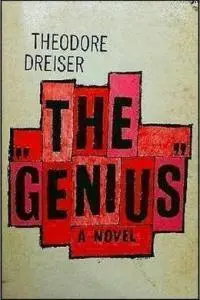
- Название:The Genius
- Автор:
- Издательство:epubBooks Classics
- Жанр:
- Год:2014
- ISBN:нет данных
- Рейтинг книги:4 / 5. Голосов: 1
-
Избранное:Добавить в избранное
- Отзывы:
-
Ваша оценка:
The Genius: краткое содержание, описание и аннотация
Предлагаем к чтению аннотацию, описание, краткое содержание или предисловие (зависит от того, что написал сам автор книги «The Genius»). Если вы не нашли необходимую информацию о книге — напишите в комментариях, мы постараемся отыскать её.
The Genius — читать онлайн бесплатно полную книгу (весь текст) целиком
Ниже представлен текст книги, разбитый по страницам. Система сохранения места последней прочитанной страницы, позволяет с удобством читать онлайн бесплатно книгу «The Genius», без необходимости каждый раз заново искать на чём Вы остановились. Поставьте закладку, и сможете в любой момент перейти на страницу, на которой закончили чтение.
Интервал:
Закладка:
Angela had this intuitive power in connection with Eugene. Because of her great affection for him she divined or apprehended many things in connection with him long before they occurred. Throughout her absence from him she had been haunted by the idea that she ought to be with him, and now that she was here and the first excitement of contact and adjustment was over, she was beginning to be aware of something. Eugene was not the same as he had been a little while before he had left her. His attitude, in spite of a kindly show of affection, was distant and preoccupied. He had no real power of concealing anything. He appeared at times—at most times when he was with her—to be lost in a mist of speculation. He was lonely and a little love–sick, because under the pressure of home affairs Carlotta was not able to see him quite so much. At the same time, now that the fall was coming on, he was growing weary of the shop at Speonk, for the gray days and slight chill which settled upon the earth at times caused the shop windows to be closed and robbed the yard of that air of romance which had characterized it when he first came there. He could not take his way of an evening along the banks of the stream to the arms of Carlotta. The novelty of Big John and Joseph Mews and Malachi Dempsey and Little Suddsy had worn off. He was beginning now to see also that they were nothing but plain workingmen after all, worrying over the fact that they were not getting more than fifteen or seventeen and a half cents an hour; jealous of each other and their superiors, full of all the frailties and weaknesses to which the flesh is heir.
His coming had created a slight diversion for them, for he was very strange, but his strangeness was no longer a novelty. They were beginning to see him also as a relatively commonplace human being. He was an artist, to be sure, but his actions and intentions were not so vastly different from those of other men.
A shop of this kind, like any other institution where people are compelled by force of circumstances to work together whether the weather be fair or foul, or the mood grave or gay, can readily become and frequently does become a veritable hell. Human nature is a subtle, irritable, irrational thing. It is not so much governed by rules of ethics and conditions of understanding as a thing of moods and temperament. Eugene could easily see, philosopher that he was, that these people would come here enveloped in some mist of home trouble or secret illness or grief and would conceive that somehow it was not their state of mind but the things around them which were the cause of all their woe. Sour looks would breed sour looks in return; a gruff question would beget a gruff answer; there were long–standing grudges between one man and another, based on nothing more than a grouchy observation at one time in the past. He thought by introducing gaiety and persistent, if make–believe, geniality that he was tending to obviate and overcome the general condition, but this was only relatively true. His own gaiety was capable of becoming as much of a weariness to those who were out of the spirit of it, as was the sour brutality with which at times he was compelled to contend. So he wished that he might arrange to get well and get out of here, or at least change his form of work, for it was plain to be seen that this condition would not readily improve. His presence was a commonplace. His power to entertain and charm was practically gone.
This situation, coupled with Angela's spirit of honest conservatism was bad, but it was destined to be much worse. From watching him and endeavoring to decipher his moods, Angela came to suspect something—she could not say what. He did not love her as much as he had. There was a coolness in his caresses which was not there when he left her. What could have happened, she asked herself. Was it just absence, or what? One day when he had returned from an afternoon's outing with Carlotta and was holding her in his arms in greeting, she asked him solemnly:
"Do you love me, Honeybun?"
"You know I do," he asseverated, but without any energy, for he could not regain his old original feeling for her. There was no trace of it, only sympathy, pity, and a kind of sorrow that she was being so badly treated after all her efforts.
"No, you don't," she replied, detecting the hollow ring in what he said. Her voice was sad, and her eyes showed traces of that wistful despair into which she could so readily sink at times.
"Why, yes I do, Angelface," he insisted. "What makes you ask? What's come over you?" He was wondering whether she had heard anything or seen anything and was concealing her knowledge behind this preliminary inquiry.
"Nothing," she replied. "Only you don't love me. I don't know what it is. I don't know why. But I can feel it right here," and she laid her hand on her heart.
The action was sincere, unstudied. It hurt him, for it was like that of a little child.
"Oh, hush! Don't say that," he pleaded. "You know I do. Don't look so gloomy. I love you—don't you know I do?" and he kissed her.
"No, no!" said Angela. "I know! You don't. Oh, dear; oh, dear; I feel so bad!"
Eugene was dreading another display of the hysteria with which he was familiar, but it did not come. She conquered her mood, inasmuch as she had no real basis for suspicion, and went about the work of getting him his dinner. She was depressed, though, and he was fearful. What if she should ever find out!
More days passed. Carlotta called him up at the shop occasionally, for there was no phone where he lived, and she would not have risked it if there had been. She sent him registered notes to be signed for, addressed to Henry Kingsland and directed to the post office at Speonk. Eugene was not known there as Witla and easily secured these missives, which were usually very guarded in their expressions and concerned appointments—the vaguest, most mysterious directions, which he understood. They made arrangements largely from meeting to meeting, saying, "If I can't keep it Thursday at two it will be Friday at the same time; and if not then, Saturday. If anything happens I'll send you a registered special." So it went on.
One noontime Eugene walked down to the little post office at Speonk to look for a letter, for Carlotta had not been able to meet him the previous day and had phoned instead that she would write the following day. He found it safely enough, and after glancing at it—it contained but few words—decided to tear it up as usual and throw the pieces away. A mere expression, "Ashes of Roses," which she sometimes used to designate herself, and the superscription, "Oh, Genie!" made it, however, inexpressibly dear to him. He thought he would hold it in his possession just a little while—a few hours longer. It was enigmatic enough to anyone but himself, he thought, even if found. "The bridge, two, Wednesday." The bridge referred to was one over the Harlem at Morris Heights. He kept the appointment that day as requested, but by some necromancy of fate he forgot the letter until he was within his own door. Then he took it out, tore it up into four or five pieces quickly, put it in his vest pocket, and went upstairs intending at the first opportunity to dispose of it.
Meanwhile, Angela, for the first time since they had been living at Riverwood, had decided to walk over toward the factory about six o'clock and meet Eugene on his way home. She heard him discourse on the loveliness of this stream and what a pleasure it was to stroll along its banks morning and evening. He was so fond of the smooth water and the overhanging leaves! She had walked with him there already on several Sundays. When she went this evening she thought what a pleasant surprise it would be for him, for she had prepared everything on leaving so that his supper would not be delayed when they reached home. She heard the whistle blow as she neared the shop, and, standing behind a clump of bushes on the thither side of the stream, she waited, expecting to pounce out on Eugene with a loving "Boo!" He did not come.
Читать дальшеИнтервал:
Закладка:
Похожие книги на «The Genius»
Представляем Вашему вниманию похожие книги на «The Genius» списком для выбора. Мы отобрали схожую по названию и смыслу литературу в надежде предоставить читателям больше вариантов отыскать новые, интересные, ещё непрочитанные произведения.






Обсуждение, отзывы о книге «The Genius» и просто собственные мнения читателей. Оставьте ваши комментарии, напишите, что Вы думаете о произведении, его смысле или главных героях. Укажите что конкретно понравилось, а что нет, и почему Вы так считаете.