Теодор Драйзер - The Genius
Здесь есть возможность читать онлайн «Теодор Драйзер - The Genius» весь текст электронной книги совершенно бесплатно (целиком полную версию без сокращений). В некоторых случаях можно слушать аудио, скачать через торрент в формате fb2 и присутствует краткое содержание. Год выпуска: 2014, Издательство: epubBooks Classics, Жанр: Классическая проза, на английском языке. Описание произведения, (предисловие) а так же отзывы посетителей доступны на портале библиотеки ЛибКат.
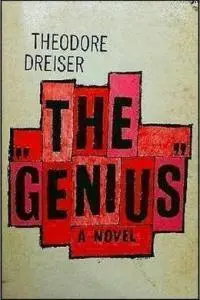
- Название:The Genius
- Автор:
- Издательство:epubBooks Classics
- Жанр:
- Год:2014
- ISBN:нет данных
- Рейтинг книги:4 / 5. Голосов: 1
-
Избранное:Добавить в избранное
- Отзывы:
-
Ваша оценка:
The Genius: краткое содержание, описание и аннотация
Предлагаем к чтению аннотацию, описание, краткое содержание или предисловие (зависит от того, что написал сам автор книги «The Genius»). Если вы не нашли необходимую информацию о книге — напишите в комментариях, мы постараемся отыскать её.
The Genius — читать онлайн бесплатно полную книгу (весь текст) целиком
Ниже представлен текст книги, разбитый по страницам. Система сохранения места последней прочитанной страницы, позволяет с удобством читать онлайн бесплатно книгу «The Genius», без необходимости каждый раз заново искать на чём Вы остановились. Поставьте закладку, и сможете в любой момент перейти на страницу, на которой закончили чтение.
Интервал:
Закладка:
"If ma could only see us now," she would jest; or,
"Do you suppose Bill and John would recognize you here if they saw you?"
Once she said: "This is better than the engine room, isn't it?"
"You're a bad lot, Carlotta," he would declare, and then would come to her lips the enigmatic smile of Monna Lisa.
"You like bad lots, don't you? Strays make fine hunting."
In her own philosophy she was taking the cash and letting the credit go.
Chapter XXIV
Days like this could not go on forever. The seed of their destruction was in their beginning. Eugene was sad. He used to show his mood at times and if she asked him what was the matter, would say: "We can't keep this thing up much longer. It must come to an end soon."
"You're certainly a gloomy philosopher, Genie," she would say, reproachfully, for she had hopes that it could be made to last a long while under any circumstances. Eugene had the feeling that no pretence would escape Angela's psychology. She was too sensitive to his unspoken moods and feelings. She would come soon, willynilly, and then all this would be ended. As a matter of fact several things combined to bring about change and conclusion.
For one thing Mrs. Hibberdell had been more and more impressed with the fact that Carlotta was not merely content to stay but that once having come she was fairly determined to remain. She had her own apartment in the city, ostensibly closed for the summer, for she had protested that it was too hot to live in town when she first proposed going to Narragansett. After seeing Eugene she figured out a possible use for it, though that use was dangerous, for Norman Wilson might return at any time. Nevertheless, they had been there on occasions—this with the double effect of deceiving her mother and entertaining Eugene. If she could remain away from Riverwood a percentage of the time, she argued with Eugene, it would make her stay less suspicious and would not jeopardize their joy in companionship. So she did this. At the same time she could not stay away from Riverwood entirely, for Eugene was there necessarily morning and evening.
Nevertheless, toward the end of August Mrs. Hibberdell was growing suspicious. She had seen an automobile entering Central Park once when Carlotta had phoned her that she had a sick headache and could not come up. It looked to Mrs. Hibberdell, who had gone down town shopping on the strength of this ailment and who had phoned Carlotta that she was going to call at her apartment in the evening, as though Eugene and Carlotta were in it. Eugene had gone to work that morning, which made it seem doubtful, but it certainly looked very much like him. Still she did not feel sure it was he or Carlotta either. When she came to the latter's apartment Carlotta was there, feeling better, but stating that she had not been out. Mrs. Hibberdell concluded thoughtfully that she must have been mistaken.
Her own room was on the third floor, and several times after all had retired and she had come down to the kitchen or dining room or library for something, she had heard a peculiar noise as of someone walking lightly. She thought it was fancy on her part, for invariably when she reached the second floor all was dark and still. Nevertheless she wondered whether Eugene and Carlotta could be visiting. Twice, between breakfast and the time Eugene departed, she thought she heard Eugene and Carlotta whispering on the second floor, but there was no proof. Carlotta's readiness to rise for breakfast at six–thirty in order to be at the same table with Eugene was peculiar, and her giving up Narragansett for Riverwood was most significant. It remained for one real discovery to resolve all her suspicions into the substance of fact and convict Carlotta of being the most conscienceless of deceivers.
It came about in this fashion. One Sunday morning Davis and Mrs. Hibberdell had decided to go automobiling. Eugene and Carlotta were invited but had refused, for Carlotta on hearing the discussion several days before had warned Eugene and planned to have the day for herself and her lover. She cautioned him to pretend the need of making visits down town. As for herself she had said she would go, but on the day in question did not feel well enough. Davis and Mrs. Hibberdell departed, their destination being Long Island. It was an all day tour. After an hour their machine broke, however, and after sitting in it two hours waiting for repairs—long enough to spoil their plans—they came back by trolley. Eugene had not gone down town. He was not even dressed when the door opened on the ground floor and Mrs. Hibberdell came in.
"Oh, Carlotta," she called, standing at the foot of the stairs and expecting Carlotta to appear from her own room or a sort of lounging and sewing room which occupied the front of the house on the second floor and where she frequently stayed. Carlotta unfortunately was with Eugene and the door to this room was commanded from where Mrs. Hibberdell was standing. She did not dare to answer.
"Oh, Carlotta," called her mother again.
The latter's first thought was to go back in the kitchen and look there, but on second thoughts she ascended the steps and started for the sewing room. Carlotta thought she had entered. In an instant she had seized the opportunity to step into the bath which was next to Eugene's room but she was scarcely quick enough. Her mother had not gone into the room—only opened the door and looked in. She did not see Carlotta step out of Eugene's room, but she did see her entering the bath, in negligee, and she could scarcely have come from anywhere else. Her own door which was between Eugene's room and the sewing room was ten feet away. It did not seem possible that she could have come from there: she had not had time enough, and anyhow why had she not answered?
The first impulse of Mrs. Hibberdell was to call to her. Her second thought was to let the ruse seem successful. She was convinced that Eugene was in his room, and a few moments later a monitory cough on his part—coughed for a purpose—convinced her.
"Are you in the bath, Carlotta?" she called quietly, after looking into Carlotta's room.
"Yes," came the reply, easily enough now. "Did your machine break down?"
A few remarks were exchanged through the door and then Mrs. Hibberdell went to her room. She thought over the situation steadily for it greatly irritated her. It was not the same as the discovered irregularity of a trusted and virtuous daughter. Carlotta had not been led astray. She was a grown woman, married, experienced. In every way she knew as much about life as her mother—in some respects more. The difference between them was in ethical standards and the policy that aligns itself with common sense, decency, self preservation, as against its opposite. Carlotta had so much to look out for. Her future was in her own hands. Besides, Eugene's future, his wife's rights and interests, her mother's home, her mother's standards, were things which she ought to respect—ought to want to respect. To find her lying as she had been this long time, pretending indifference, pretending absence, and no doubt associating with Eugene all the while, was disgusting. She was very angry, not so much at Eugene, though her respect for him was greatly lowered, artist though he was, as at Carlotta. She ought to do better. She ought to be ashamed not to guard herself against a man like Eugene, instead of luring him on. It was Carlotta's fault, and she determined to reproach her bitterly and to break up this wretched alliance at once.
There was an intense and bitter quarrel the next morning, for Mrs. Hibberdell decided to hold her peace until Eugene and Davis should be out of the house. She wanted to have this out with Carlotta alone, and the clash came shortly after breakfast when both the others had left. Carlotta had already warned Eugene that something might happen on account of this, but under no circumstances was he to admit anything unless she told him to. The maid was in the kitchen out of ear shot, and Mrs. Hibberdell and Carlotta were in the library when the opening gun was fired. In a way Carlotta was prepared, for she fancied her mother might have seen other things—what or how much she could not guess. She was not without the dignity of a Circe, for she had been through scenes like this before. Her own husband had charged her with infidelity more than once, and she had been threatened with physical violence by him. Her face was pale but calm.
Читать дальшеИнтервал:
Закладка:
Похожие книги на «The Genius»
Представляем Вашему вниманию похожие книги на «The Genius» списком для выбора. Мы отобрали схожую по названию и смыслу литературу в надежде предоставить читателям больше вариантов отыскать новые, интересные, ещё непрочитанные произведения.





Обсуждение, отзывы о книге «The Genius» и просто собственные мнения читателей. Оставьте ваши комментарии, напишите, что Вы думаете о произведении, его смысле или главных героях. Укажите что конкретно понравилось, а что нет, и почему Вы так считаете.