Эптон Синклер - Oil!
Здесь есть возможность читать онлайн «Эптон Синклер - Oil!» весь текст электронной книги совершенно бесплатно (целиком полную версию без сокращений). В некоторых случаях можно слушать аудио, скачать через торрент в формате fb2 и присутствует краткое содержание. Год выпуска: 1927, ISBN: 1927, Издательство: Amereon Ltd, Жанр: Проза, на английском языке. Описание произведения, (предисловие) а так же отзывы посетителей доступны на портале библиотеки ЛибКат.
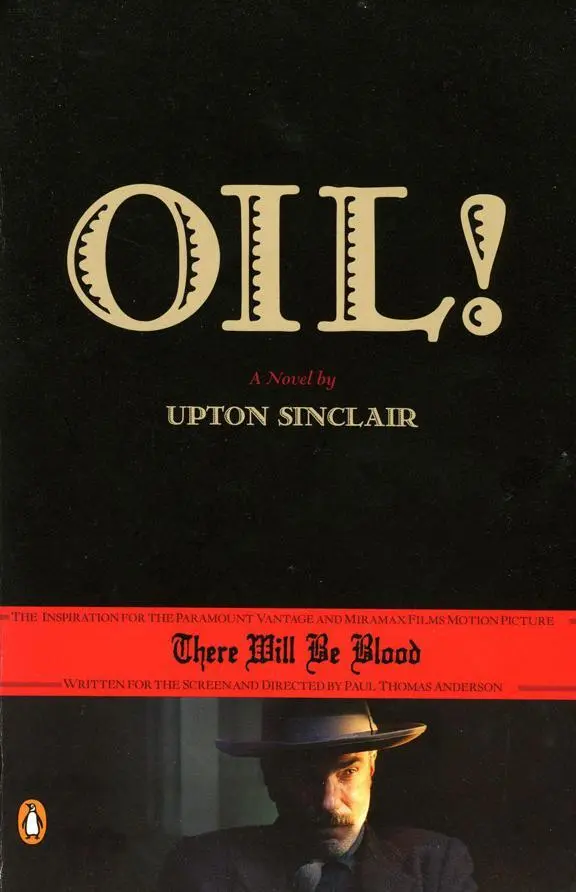
- Название:Oil!
- Автор:
- Издательство:Amereon Ltd
- Жанр:
- Год:1927
- ISBN:9780848823917
- Рейтинг книги:3 / 5. Голосов: 1
-
Избранное:Добавить в избранное
- Отзывы:
-
Ваша оценка:
Oil!: краткое содержание, описание и аннотация
Предлагаем к чтению аннотацию, описание, краткое содержание или предисловие (зависит от того, что написал сам автор книги «Oil!»). Если вы не нашли необходимую информацию о книге — напишите в комментариях, мы постараемся отыскать её.
In Oil! Upton Sinclair fashioned a novel out of the oil scandals of the Harding administration, providing in the process a detailed picture of the development of the oil industry in Southern California. Bribery of public officials, class warfare, and international rivalry over oil production are the context for Sinclair's story of a genial independent oil developer and his son, whose sympathy with the oilfield workers and socialist organizers fuels a running debate with his father. Senators, small investors, oil magnates, a Hollywood film star, and a crusading evangelist people the pages of this lively novel.
Oil! — читать онлайн бесплатно полную книгу (весь текст) целиком
Ниже представлен текст книги, разбитый по страницам. Система сохранения места последней прочитанной страницы, позволяет с удобством читать онлайн бесплатно книгу «Oil!», без необходимости каждый раз заново искать на чём Вы остановились. Поставьте закладку, и сможете в любой момент перейти на страницу, на которой закончили чтение.
Интервал:
Закладка:
Dad didn’t get well as quickly as they had hoped. Apparently the cold damp darkness of London was not good for him, so Bunny took him to Paris. Bertie relented, and met them at the station; even her husband risked his diplomatic career, and everything was polite and friendly for a few hours. But then the brother and sister got to arguing; Bertie wanted Bunny not to investigate the Socialist movement of France, at least, and Bunny said he had already promised Rachel an article about it. There was a “youth” paper here that was on their exchange list, and there was to be a Socialist meeting that very week which Bunny was going to attend. Bertie said that settled it, he would never meet the Prince de This and the Duchesse de That, and Bunny was so ignorant, he didn’t know what he was missing.
Paris was wet and cold also, and Dad had a cough, and sat around in a hotel lobby and was so forlorn it made your heart ache. He would let you drive him around, and would look at public buildings—yes, it was very fine, a beautiful city; people had been working on it a long while, we hadn’t had time to get anything so good at home. But all the while you could see that Dad didn’t really care about it; he didn’t like this strange people with their jabber, the men looked like popinjays and the women immoral, and people were always trying to pass off lead money on you, and the food had fancy fixings so you couldn’t tell what it tasted like, and why in the world Americans wanted to come chasing over here was beyond Dad’s power to imagine.
It was decided to take him to the Riviera till spring. And here they were settled in a villa looking over the Mediterranean, and there was sunshine at last, a pale copy of California. Bertie came for a visit, and then Aunt Emma to keep house for them, and it was a sort of a home. Aunt Emma and Bertie got along beautifully, because the elder lady never failed to admire the right things—oh, how perfectly lovely, how refined and elegant, the most magnificent buildings, the most life-like paintings, the most fashionable costumes! Aunt Emma would meet the Prince de This and the Duchesse de That, and never injure the diplomatic career of her nephew-in-law!
Bunny got himself a tutor, and rapidly unlearned the French he had acquired at Southern Pacific. Of course he had to pick out a Socialist tutor, a weird-looking, moth-eaten young man who did not seem to have had a square meal in many years—a poet, he was reported to be. Other Socialists came round, and a few Communists and Anarchists and Syndicalists and hybrids of these; they wore loose ties, or none at all, and hair hanging into their eyes, and looked to Dad and Aunt Emma as if they were spying out the premises with intentions of burglary. Even here there were radical meetings, on this Coast of Gold, where the rich of Europe gambled and played; and poor devils dangling always on the verge of starvation roused the pity of a young American millionaire, who lived in luxury and had a guilty conscience. When it was ascertained that he would lend money, there were some to ask, and most of them were frauds—but how was a young American millionaire to know?
Aunt Emma had been escorted from Angel City by Dad’s private secretary, bringing two big brief cases full of reports and letters. And so Dad was busy and happy for a while, he studied these papers, and wrote long instructions, and sent cablegrams in code, and fretted because some of the replies were not clear. Yes, it was a hard matter to carry on an oil business six thousand miles away. They were putting down test wells in the north half of Sunnyside, and you wanted to be there to examine the cores. Why, the damn fools had even failed to send the full text of the geologists’ reports!
Dad wasn’t well enough to go into the big new deals with Verne; he must rest first. But the rest didn’t help him, because he fretted for something to do, and for his secretary to do. To go driving up and down the same coast was monotonous; while to sit at tea-parties and chatter with fashionable idlers—Dad had unutterable contempt for these people, they weren’t even crude and healthy, like the rich in California, no, they were rotten to the core, vicious and terrible people. The ex-mule-driver took one look into their gilded gambling palace, that was famed all over the world, and he went outside and spit on the steps—faugh! He was even willing to consider Bunny’s argument, that such people were made by generations of hereditary privilege; let things go as they were going in California, and Dad’s grand-children would be giving this crowd lessons in depravity. For that matter, some of them were giving it now right here on the Riviera—rich Americans setting the pace in frivolity and ostentation.
Anyhow, said Dad, give him Americans! He wandered out and found a retired department store proprietor from Des Moines, just as desperately bored as himself, and the two would sit for hours on the esplanade and tell about their business and their troubles. Presently there was added a banker from South Dakota, and then a farmer who had struck oil in Texas. The women folks insisted on these fool European tours, and all the fathers could do was to get off by themselves and grumble at the bills. But here were four of them, and they gave one another courage, and fixed up a little place to pitch horseshoes—and in their shirtsleeves, by heck, just as if they had never made the mistake of making too much money and ruining their family-life!
The weather grew hot, and they went back to Paris. Dad liked it better now, he could stroll on the boulevards, and sit in those outdoor cafes, where you sipped things to drink; there was always a waiter who understood English, and maybe he had been in God’s country and would chat about it. There were numbers of Americans to meet; Dad found the express company office where they got their mail, and he even ran into people from Angel City there! The newspapers from home came twice a week, and lasted a long time.
Also, friends turned up—Annabelle Ames, for example, to attend the London premiere of “A Mother’s Heart,” and to visit Roumania with Verne, and also Constantinople. It appeared that Verne was backing the Turkish government, as a means of squeezing a bigger share of the Mosul oil out of the British. A funny thing—Excelsior Pete, Verne’s bitterest rival at home, had offered to take him in on these concessions. Yes, you were getting something when you bought the leading cabinet members of the United States government! Excelsior Pete’s action showed how much real importance they attributed to the oil scandals, and to the new President’s public attitude.
Annabelle was a business woman, and understood these matters, which made her a comfort to Dad. She pleaded with Bunny, in her gentle, loving way—it was all right for him to set up new standards in business, but was it fair to judge his father by them? Certainly no big business men followed such standards. And surely America was entitled to its share of the world’s oil; but there was no way to take it from these greedy foreign rivals, except to mass the power of the government against them.
Annabelle had lots of news from home. Not gossip, she didn’t tell mean things; but there was one story she couldn’t help telling, it was so funny, and caused Dad many a chuckle. A sudden fit of modesty had struck the O’Reilly family; they had taken down all those bronze and brass signs that had announced their progress about the world! No name on their front gates, none on the “Conqueror,” their yacht, none on the private car with its Circassian walnut and blue satin upholstery! No longer was it a glorious thing to be an oil magnate’s wife—some fanatic might throw a bomb at you!
Читать дальшеИнтервал:
Закладка:
Похожие книги на «Oil!»
Представляем Вашему вниманию похожие книги на «Oil!» списком для выбора. Мы отобрали схожую по названию и смыслу литературу в надежде предоставить читателям больше вариантов отыскать новые, интересные, ещё непрочитанные произведения.



Обсуждение, отзывы о книге «Oil!» и просто собственные мнения читателей. Оставьте ваши комментарии, напишите, что Вы думаете о произведении, его смысле или главных героях. Укажите что конкретно понравилось, а что нет, и почему Вы так считаете.