Jon Chappell - Blues Guitar For Dummies
Здесь есть возможность читать онлайн «Jon Chappell - Blues Guitar For Dummies» — ознакомительный отрывок электронной книги совершенно бесплатно, а после прочтения отрывка купить полную версию. В некоторых случаях можно слушать аудио, скачать через торрент в формате fb2 и присутствует краткое содержание. Жанр: unrecognised, на английском языке. Описание произведения, (предисловие) а так же отзывы посетителей доступны на портале библиотеки ЛибКат.

- Название:Blues Guitar For Dummies
- Автор:
- Жанр:
- Год:неизвестен
- ISBN:нет данных
- Рейтинг книги:4 / 5. Голосов: 1
-
Избранное:Добавить в избранное
- Отзывы:
-
Ваша оценка:
Blues Guitar For Dummies: краткое содержание, описание и аннотация
Предлагаем к чтению аннотацию, описание, краткое содержание или предисловие (зависит от того, что написал сам автор книги «Blues Guitar For Dummies»). Если вы не нашли необходимую информацию о книге — напишите в комментариях, мы постараемся отыскать её.
Want to play the blues? Can't read music? No problem! This fun, accessible guide shows you how to play blues scales, chords, progressions, riffs, and solos. Learn about the structure of a blues song, including intros, turnarounds, and endings. Master the art of articulation, dynamics, and phrasing. From Delta blues and modern blues to blues rock, you'll see how to use today's guitars, amplifiers, and effects to play a wide variety of styles, with hands-on guidance on changing strings for when you really boogie down.
Explore acoustic and electric styles Perform common blues scales Learn song structures and improvise leads Follow the history of the blues Choose the best equipment to accentuate your sound Get to know legendary blues artists and albums
Blues Guitar For Dummies — читать онлайн ознакомительный отрывок
Ниже представлен текст книги, разбитый по страницам. Система сохранения места последней прочитанной страницы, позволяет с удобством читать онлайн бесплатно книгу «Blues Guitar For Dummies», без необходимости каждый раз заново искать на чём Вы остановились. Поставьте закладку, и сможете в любой момент перейти на страницу, на которой закончили чтение.
Интервал:
Закладка:
Output jack (electric only): The insertion point for the cord that connects the guitar to an amplifier or other electronic device.
Pickup selector (electric only): A switch that determines which pickups are currently active.
Pickups (electric only): Barlike magnets that create the electrical current, which the amplifier converts into musical sound.
Sides (acoustic only): Separate curved wooden pieces on the body that join the top to the back.
Strap pin: Metal post where the front, or top, end of the strap connects. (Not all acoustics have a strap pin. If the guitar is missing one, tie the top of the strap around the headstock.)
Strings: The six metal (for electric and steel-string acoustic guitars) or nylon (for classical guitars) wires that, drawn taut, produce the notes of the guitar. Although not strictly part of the actual guitar (you attach and remove them at will on top of the guitar), strings are an integral part of the whole system, and a guitar’s entire design and structure revolves around making the strings ring out with a joyful noise. (See Chapter 16for more information on changing strings.)
Top: The face of the guitar. On an acoustic, this piece is also the sounding board, which produces almost all the guitar’s acoustic qualities. On an electric, the top is primarily a cosmetic or decorative cap that overlays the rest of the body material.
Tuning machines: Geared mechanisms that raise and lower the tension of the strings, drawing them to different pitches. The string wraps tightly around a post that sticks out through the top, or face, of the headstock. The post passes through to the back of the headstock, where gears connect it to a tuning key. Also known as tuners, tuning pegs, tuning keys, and tuning gears.
Volume and tone controls (electric only): Knobs that vary the loudness of the guitar’s sound and its bass and treble emphasis.
Getting Down with the Blues: A Quick How-To
The practical differences between the two types of guitars is, in sum, that an electric guitar needs to plug in to an amp and have electricity to be heard, but it’s easier to play than an acoustic. An acoustic works with nothing but the fingers nature gave you, but its loudness is limited to a range of a few feet, and in a quiet environment — unless it has a mic, of course. Acoustics can’t sustain like electrics can, so their lead qualities are more restricted, too. As you can see in the preceding section, though, the bodies are quite different, owing to the way each converts a plucked string into audible sound. In this section, I cover both methods, but take note that the fundamental principles for acoustic guitars, and the way their strings produce notes, apply to electrics as well — acoustic is that baby’s daddy, after all.
The foundation for all guitar playing: Acoustic guitars
The first blues guitars were acoustic because blues was invented before electricity had lent its powers to music. Gut and steel-string acoustics were used as a means to accompany a singing voice or another melodic instrument, like the fiddle. Gradually the rhythms evolved into single-note figures (riffs), and then finally into a solo instrument, where the guitar would carry the melody. But blues played on the acoustic guitar is a viable style today, as evidenced by the work of Rory Block, Roy Book Binder, John Hammond, Keb’ Mo’, and Chris Thomas King. So the first step in playing the blues is to understand how acoustic guitars work, and why they’re so perfect for playing the blues.
The right hand makes the sound, and the left hand guides it
In blues guitar, as in other forms of guitar playing, the hands perform different functions — unlike, say, the piano or saxophone where the hands work the same way. In guitar playing, the left-hand fingers press down the strings at different frets, which creates different sounding pitches — the note names like A, C, F♯, B♭, and so on. But the left hand doesn’t make the sound.
The right hand is what actually produces the sound — by strumming or plucking the strings. The left hand make no sound on its own, but decides what pitches will be heard when the right hand plays. The right hand can make sound, but it can’t make organized, intelligent sound without the left hand providing the right notes to play. So the two hands need each other, and they must coordinate their efforts so that they move together to create chords and single notes in rhythm. In blues guitar playing, unlike large governmental bureaucracies, the right hand must know what the left hand is doing, and vice versa.
Lines guide your left-hand fingers
Look at the guitar’s fingerboard (the top of the neck; refer to Figures 2-3 and 2-4) and you see a gridlike structure of strings and frets (short metal wires underneath the strings, running perpendicular to them). Frets are like the black and white keys of the piano: They provide all the different pitches available on the guitar in half-step increments. Good guitar players, who “know the fingerboard,” can identify any string/fret location by its pitch (note name), no matter where it falls. The better guitar player you become the more you’re able to look at the neck and quickly see notes and patterns.
Shifting acoustic to overdrive: Electric guitars
As soon as electric guitars were available, blues players of the day made the transition quickly and easily from their acoustic versions. An electric guitar uses the same approach to neck and frets and the way the left and right hands share separate but equally important roles (see the preceding section for the basics), but it provides some aspects that the acoustic guitar can’t do or can’t do as well, in addition to the most obvious advantage: increased volume through electronic amplification. The amplified electric guitar certainly changed the music world, but in many more ways than just being able to be heard over the rest of the band. The entire tonal character changed, in addition to the way you had to play it.
 Technologically speaking, an electric guitar is no more complicated than an eighth-grade science project: A wire (the string) hovers over a magnet (the pickup), which forms a magnetic field. When you set the wire in motion (by plucking it), the vibrating, or oscillating, string creates a disturbance in the magnetic field, which produces an electrical current. This current travels down a cord (the one sticking out the side of your guitar) and into an amplifier, where it’s cranked up to levels that people can hear — and in some cases, really hear. Figure 2-5 shows a close-up of the sound-producing parts of an electric guitar: the string and pickup.
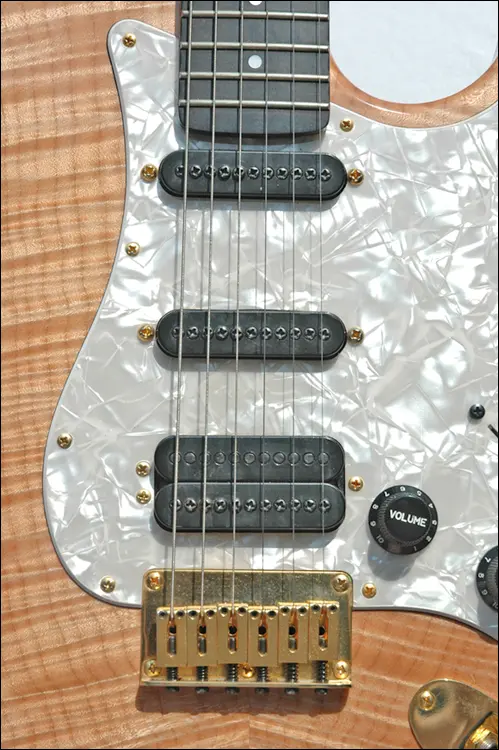
FIGURE 2-5:The makers of electric sound, reporting for duty.
Naturally, there’s a lot more to the way electric guitars make music than what I describe here, but what’s significant is that an electric guitar doesn’t make its sound acoustically. Even though you can hear the string when the guitar’s not plugged in, that’s not what the guitar “hears.” The guitar converts a disturbance in the pickup’s magnetic field to a current. This all-electronic process is different than “pre-electric guitar amplification,” which consisted of placing a microphone in front of a guitar.
 In an electric guitar, you must use metal strings, because nylon ones don’t have magnetic properties. The fact that you need only a metal wire and a pickup to make sound — rather than a resonating chamber — meant electric guitars could be built differently from their acoustic counterparts. And they were played differently, though that took some time to evolve.
Интервал:
Закладка:
Похожие книги на «Blues Guitar For Dummies»
Представляем Вашему вниманию похожие книги на «Blues Guitar For Dummies» списком для выбора. Мы отобрали схожую по названию и смыслу литературу в надежде предоставить читателям больше вариантов отыскать новые, интересные, ещё непрочитанные произведения.











Обсуждение, отзывы о книге «Blues Guitar For Dummies» и просто собственные мнения читателей. Оставьте ваши комментарии, напишите, что Вы думаете о произведении, его смысле или главных героях. Укажите что конкретно понравилось, а что нет, и почему Вы так считаете.