Michael Smith - Rivers
Здесь есть возможность читать онлайн «Michael Smith - Rivers» весь текст электронной книги совершенно бесплатно (целиком полную версию без сокращений). В некоторых случаях можно слушать аудио, скачать через торрент в формате fb2 и присутствует краткое содержание. Город: New York, Год выпуска: 2013, ISBN: 2013, Издательство: Simon & Schuster, Жанр: sf_postapocalyptic, на английском языке. Описание произведения, (предисловие) а так же отзывы посетителей доступны на портале библиотеки ЛибКат.
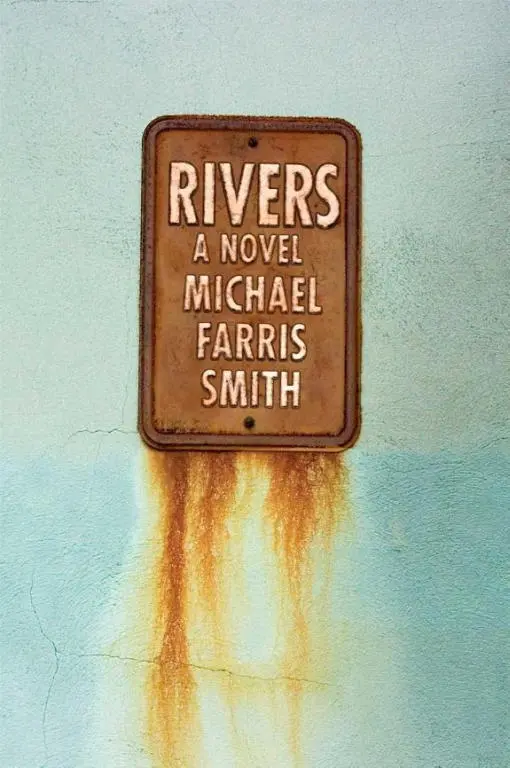
- Название:Rivers
- Автор:
- Издательство:Simon & Schuster
- Жанр:
- Год:2013
- Город:New York
- ISBN:9781451699425
- Рейтинг книги:5 / 5. Голосов: 1
-
Избранное:Добавить в избранное
- Отзывы:
-
Ваша оценка:
Rivers: краткое содержание, описание и аннотация
Предлагаем к чтению аннотацию, описание, краткое содержание или предисловие (зависит от того, что написал сам автор книги «Rivers»). Если вы не нашли необходимую информацию о книге — напишите в комментариях, мы постараемся отыскать её.
Cohen is one who stayed. Unable to overcome the crushing loss of his wife and unborn child who were killed during an evacuation, he returned home to Mississippi to bury them on family land. Until now he hasn’t had the strength to leave them behind, even to save himself.
But after his home is ransacked and all of his carefully accumulated supplies stolen, Cohen is finally forced from his shelter. On the road north, he encounters a colony of survivors led by a fanatical, snake-handling preacher named Aggie who has dangerous visions of repopulating the barren region.
Realizing what’s in store for the women Aggie is holding against their will, Cohen is faced with a decision: continue to the Line alone, or try to shepherd the madman’s captives across the unforgiving land with the biggest hurricane yet bearing down—and Cohen harboring a secret that may pose the greatest threat of all.
Eerily prophetic in its depiction of a southern landscape ravaged by extreme weather,
is a masterful tale of survival and redemption in a world where the next devastating storm is never far behind.
Rivers — читать онлайн бесплатно полную книгу (весь текст) целиком
Ниже представлен текст книги, разбитый по страницам. Система сохранения места последней прочитанной страницы, позволяет с удобством читать онлайн бесплатно книгу «Rivers», без необходимости каждый раз заново искать на чём Вы остановились. Поставьте закладку, и сможете в любой момент перейти на страницу, на которой закончили чтение.
Интервал:
Закладка:
Cohen shook his head. Breathed frustrated, painful breaths. Shook his head hard, then said, “You rip them and you fix it.”
“Then get up,” Aggie said.
Cohen struggled to his feet and Aggie stuck his fingers in the bullet hole of the pants and ripped them open. A circle of crimson, fresh and flowing. The leg shook and Aggie sprayed it with a white spray that made a freezing white foam and then he put a thick bandage on top and told Cohen to hold it. Then he moved around to the backside and sprayed the exit wound and put a thick bandage on it and told Cohen to hold it with his other hand. He quickly wrapped the gauze once around the leg, then several more times tightly. Cohen stood straight-legged and his fists were balled and then he fell back down on the ground, grabbing for the pint bottle and taking a big drink. He didn’t toss it away this time but held it close to his chest as if someone might try and take it from him.
He finally caught his breath and he sat up straight, his legs out before him. He kept drinking the whiskey in little sips. Aggie stood back from him, facing away from the fire, his features vague. His rifle and the shotgun lay on the ground at the door of his trailer and Cohen looked over at them. Cohen’s face was streaked with mud and sweat and rain. Nobody talked for a while and Cohen couldn’t figure out why he wasn’t dead. “You shot my dog,” he said.
Aggie took out a cigarette and offered Cohen one.
“Light it,” Cohen said and Aggie lit them both and handed one to him. “You didn’t have to do that. Shoot the dog.”
“I know it,” Aggie said. “But I don’t trust animals.”
“Shit,” Cohen said, shaking his head.
Aggie turned toward the fire, his silhouette sharp and menacing. “Where’d you get that Jeep?” he asked.
“It’s mine,” Cohen said. And then he looked around and between two of the trailers he saw the generator and some of his furniture. “So is that and that and that,” he said and he pointed. He noticed the heads in the windows. “Where’s that boy and girl?” he said.
Aggie smoked. Didn’t look at him.
“I said where’s that boy and girl?”
“Where’s Joe?”
“Who’s Joe?”
“You know who Joe is.”
“Just like you know who the boy and girl are.”
Aggie took out another cigarette and lit it with the one in his mouth. Then he tossed the old one in the coals. “Come over here by the fire,” he said.
“Where’s that boy and girl? She got something of mine. You all got something of mine, from the looks of it.”
“Did you kill him?”
“Naw, I didn’t kill him.”
“Then where is he?”
“Where’s that boy and girl?”
Aggie turned and walked closer. Knelt down. The glow of the fire dancing on their faces in the cold night. Aggie looked at his leg and the wrapping turning red and then he looked up at Cohen. “Only what is alive is strong,” he said.
Cohen adjusted himself on the ground. Grimaced and pulled at his leg.
“And what is strong gets the right. You killed him, that’s fine. That makes you strong. That makes us strong. That gives us the right.”
Cohen took a long drag from his cigarette, tilted back his head and blew the smoke, then he said, “I ain’t interested in your rights or my rights or nobody’s rights. I want to know where that boy and girl are. I didn’t kill your boy. A panther got on his ass and tore him up and he laid there and bled to death. So there.”
Aggie sighed. Stood up. He walked back to the fire and said, “That’s why I shot your dog. ’Cause there ain’t no trusting animals.”
“My dog wouldn’t rip your balls off. Animals ain’t all the same.”
“Animals are all the same. They’re down here,” Aggie said, holding his hand down toward the ground. Then he held the other hand up and said, “We’re up here.”
“That’s good. Real good,” Cohen said and he put his hands behind him and leaned back and watched Aggie. He stared down into the fire as if waiting for something to rise from it. Then he looked around again. Heads disappeared behind curtains when he caught them looking. This man in his army coat and his cigarettes and his face like something hardened in the sun. Locks on the doors. Guns leaning against the trailer door. He let his head fall back and the whiskey made him dizzy so he raised his head again to stop the spinning.
“What kind of sight is that on your rifle?” he asked and nodded toward the rifle that had shot him.
“The kind that you can see far with.”
“And I’m guessing the kind you can see in the dark with.”
Aggie nodded. “You’d be surprised what you can find clutched in the hands of a dead man.”
“How many dead men you been around?”
The man held his palms out to the fire. “Enough. Everybody down here’s been around enough. If the weather don’t get them, something will.”
Cohen looked around again when a light flashed in a window. “Who are they?” he asked.
Aggie lifted his head and his eyes went from one trailer to the next, slowly, as if he were trying to remember something about each one. Then he said, “You want something to eat?”
Cohen moved his leg a little and grunted. “I don’t want nothing to eat.”
“Got plenty.”
“Why they locked up?”
“Drink some more whiskey. You need to keep it in you with that leg.”
“Why you got people locked up?” Cohen’s voice raised as he spoke, no fear of the man. No sense in any fear now. He had been shot and dragged up and his house was done and he was sitting on the wet ground surrounded by a circle of trailers tied down with ropes and it didn’t seem to matter. Didn’t know if he had been done a favor by being allowed to live but he didn’t care and if he was going to die the least he could do was get a straight answer about something before he was shot by this old man who seemed to be the gatekeeper of this prison or slum or whatever it was. He had come for Elisa’s keepsakes and he knew that the boy and girl were behind one of these locked doors and that was all he cared about.
Aggie stood still and quiet, turning his hands in the warmth.
“Where’s that boy and girl?”
Nothing from the man.
“That girl’s got some stuff of mine and I want it and then I need some gas and I’ll be on my way. I’m getting to the Line.”
Aggie laughed a little. “What Line?”
“You know what Line.”
“You must’ve been way down in a hole somewhere, not laid up in that nice house of yours.”
Cohen adjusted some to sit up straight. “What does that mean?”
Aggie then turned from the coals and walked slowly to a stack of cinder blocks on the other side of the fire and sat down on top. “The Line is our problem.”
“I don’t know what your problem is. It ain’t my problem.”
“The Line is the problem for us all. Those above it. Those below it. Those who drew it. It’s the symbol of hate. Fear. Symbol of disbelief.”
Cohen took a swallow from the bottle.
“The Line don’t do nothing but point fingers,” the man continued. He sat with his legs crossed and his arms folded. “It tells us some people are all right. Some people ain’t.”
“Well. It’s true. Some people ain’t all right. Nobody down here is all right. Except for me. I was all right until about a week ago.”
“You ain’t all right, either,” Aggie said, looking at Cohen. “You think you were, but you weren’t. What makes you all right? Alone. Nobody to talk to. Nobody to pray to. You pray to anybody?”
Cohen took another swallow, ignored the question.
“The Line thought it was taking away, but it don’t. The Line gives. Gives those who believe and who care about something more a place to go and live their own way. With their own kind. It’s them above that will wash away. Not those below.”
Читать дальшеИнтервал:
Закладка:
Похожие книги на «Rivers»
Представляем Вашему вниманию похожие книги на «Rivers» списком для выбора. Мы отобрали схожую по названию и смыслу литературу в надежде предоставить читателям больше вариантов отыскать новые, интересные, ещё непрочитанные произведения.







Обсуждение, отзывы о книге «Rivers» и просто собственные мнения читателей. Оставьте ваши комментарии, напишите, что Вы думаете о произведении, его смысле или главных героях. Укажите что конкретно понравилось, а что нет, и почему Вы так считаете.