Michael Smith - Rivers
Здесь есть возможность читать онлайн «Michael Smith - Rivers» весь текст электронной книги совершенно бесплатно (целиком полную версию без сокращений). В некоторых случаях можно слушать аудио, скачать через торрент в формате fb2 и присутствует краткое содержание. Город: New York, Год выпуска: 2013, ISBN: 2013, Издательство: Simon & Schuster, Жанр: sf_postapocalyptic, на английском языке. Описание произведения, (предисловие) а так же отзывы посетителей доступны на портале библиотеки ЛибКат.
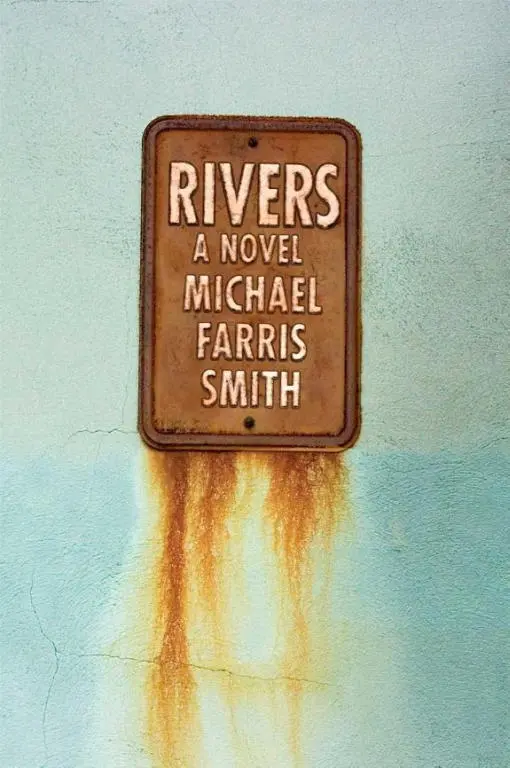
- Название:Rivers
- Автор:
- Издательство:Simon & Schuster
- Жанр:
- Год:2013
- Город:New York
- ISBN:9781451699425
- Рейтинг книги:5 / 5. Голосов: 1
-
Избранное:Добавить в избранное
- Отзывы:
-
Ваша оценка:
Rivers: краткое содержание, описание и аннотация
Предлагаем к чтению аннотацию, описание, краткое содержание или предисловие (зависит от того, что написал сам автор книги «Rivers»). Если вы не нашли необходимую информацию о книге — напишите в комментариях, мы постараемся отыскать её.
Cohen is one who stayed. Unable to overcome the crushing loss of his wife and unborn child who were killed during an evacuation, he returned home to Mississippi to bury them on family land. Until now he hasn’t had the strength to leave them behind, even to save himself.
But after his home is ransacked and all of his carefully accumulated supplies stolen, Cohen is finally forced from his shelter. On the road north, he encounters a colony of survivors led by a fanatical, snake-handling preacher named Aggie who has dangerous visions of repopulating the barren region.
Realizing what’s in store for the women Aggie is holding against their will, Cohen is faced with a decision: continue to the Line alone, or try to shepherd the madman’s captives across the unforgiving land with the biggest hurricane yet bearing down—and Cohen harboring a secret that may pose the greatest threat of all.
Eerily prophetic in its depiction of a southern landscape ravaged by extreme weather,
is a masterful tale of survival and redemption in a world where the next devastating storm is never far behind.
Rivers — читать онлайн бесплатно полную книгу (весь текст) целиком
Ниже представлен текст книги, разбитый по страницам. Система сохранения места последней прочитанной страницы, позволяет с удобством читать онлайн бесплатно книгу «Rivers», без необходимости каждый раз заново искать на чём Вы остановились. Поставьте закладку, и сможете в любой момент перейти на страницу, на которой закончили чтение.
Интервал:
Закладка:
The man got over on his belly and began to crawl toward him. Bleeding from everywhere and his face like some horror film and he moved himself forward on the ground inches at a time, reaching for Cohen. He kept coughing and spitting and coughing and spitting, the bloody mess like the trail of a slug across the ground as he inched forward and Cohen kept moving back.
Cohen then lay down on his stomach, eye to eye with the man, and said again, “Where the hell are them little shits? I ain’t asking you again. You want help, speak up.”
The man dropped his head and cleared his throat, then spit up again like a sick baby. Then he tried to say something. “Umrow,” he said.
Cohen leaned in and said, “Huh?”
“Umrow.”
“Calm down. Speak up.”
The man extended his arm and pointed awkwardly as if trying to give directions. Then he said, “Him. Himmel.”
“Himmel?”
He nodded his red head. “Row,” he said.
“Road?”
He nodded again.
“Himmel Road,” Cohen said. “Himmel Road out there past Crawfield. That old plantation?”
The man nodded and grunted and he began to push himself up from the ground. Cohen stayed back. “You sure?” he asked.
But the man didn’t answer and he managed to get himself to his knees. Moaning and crying out but his voice feeble. Cohen got to his feet and stood back and he saw that the man was reaching behind him for something. Cohen raised the gun on him but the man only went into his back pocket and pulled out a scrap of paper. He dropped it on the ground in front of him and then fell on his side. Cohen stepped over and picked it up and he looked at it. He read his own note. And then he said, “I told you.”
The man was on his back now and he reached his arm up. Tried to talk again but couldn’t, but he formed an imaginary pistol with his thumb and index finger and he held it to his head and pulled the trigger. When Cohen only looked at him, he slapped his hand on the ground and grunted and did it again. Still Cohen only looked at him.
“If you wanted something from me, you should have thought about it before,” he said and he tossed the note aside. Then he walked on away from the dying man and the dead panther, toward the back of the church, out of the rain, where he found his food and his water and he sat down and tried to make himself better.
AFTER HE ATE, HE CHANGED into the dry clothes he had left behind and then he fell into an exhausted sleep, lying in the middle of the purple choir robes. He dreamed of a backyard with thick green grass and pinks and whites in the flower boxes and a clothesline. A wooden picnic table in the middle of the yard, surrounded by people he had known. Uncles and high school friends and Mom and strange faces from random moments in his life. On the table were plates of food. Fried chicken and hamburger steaks and mashed potatoes and biscuits and sliced watermelon. Everyone ate and ate but the food from the plates never seemed to diminish, yet every time he tried to fill his own plate, someone pushed him aside to talk or took him out front to show him a new car or something. He kept trying to eat and they kept distracting him and when he had the grease of the fried chicken on his fingertips, he woke with his fingers in his mouth.
He shook free from the dream and sat up. He was sweating and this seemed a good sign. The day was nearly gone and the rain had let up. He got up and walked outside and he dragged the dead man and the dead panther out into the woods, laying them next to each other like ill-fated lovers. He then went to the Jeep and looked under the seats and in the glove box. Under the seat he found a hatchet and a half box of shotgun shells and in the glove box there was a flashlight and a pack of cigarettes and a lighter.
Over the next few days he went through the rest of the food and water, and the empty tin cans and water bottles were scattered across the floor of the back room of the church. He ate and slept, ate and slept. Between sleeping he would walk up and down the road looking for the dog but he stayed off his feet mostly, knew that he needed to get his strength back as soon as possible because there was a journey ahead.
The rain and wind came and went. At night the wind howled as it whipped through the church roof and windows and the water dripped from everywhere. In the day he sat out by the road and imagined a sun sitting in the sky, the sky open and pale and the chill gone from the air for a little while. In the field across the road, a quarter mile away, he saw two black cows meandering about, seemingly unaffected. Heavy, rippled clouds covered it all. Sometimes when the rain and wind eased, there were birds and armadillos and deer.
His fever remained but he felt it beginning to break. At night he listened to the symphony of Mother Nature and smoked the cigarettes. Possums and raccoons visited the church in the darkness and he wondered if they knew about the panther so he told them about it. Pointed out toward the woods where its body lay if they wanted to see for themselves. Each night they came and went as he sat on the front porch next to a small fire reading one of the left-behind paperbacks and each night he spoke to them about the panther or the weather or the advantages of being nocturnal.
When he slept his dreams were less the nightmare and more the comfort of a life that used to be, but when he woke he never hurt any less from having seen the faces of those he missed.
He had options. He could drive to Gulfport, to the casino parking lot, and hope for Charlie. He could get enough gas and supplies to make it to the Line and go from there. But he couldn’t be sure that Charlie would appear, or if he had already come and gone. The last hurricane had seemed stronger and more bitter than the recent ones and there could have been roads and bridges washed away, keeping Charlie from making it to the coastline.
Or he could go out on Himmel Road, find the Crawfield Plantation, and find those two who had jumped him. He believed that where he found them, he would find his gas cans, his .22, probably some food and other supplies. Didn’t know what else or who else he’d find. But it seemed worth pursuing because he also knew he’d find the things that belonged to Elisa, that belonged to their life together, that belonged to him.
And then after that, he would go for the Line.
He tried for days to talk himself out of caring about those things and that shoe box. It was only tiny bands of silver or gold, only a small diamond, only dainty things that went in your earlobe or hung around your neck, rhinestones and rubies, and all of it together didn’t add up to much. Only pieces of paper that didn’t prove anything. Only silly little mementos of years long gone. They’re not worth anything, he’d think. They won’t do no good. Let it go like you should have already. Let it go.
Even in the moments when he had convinced himself that finding Charlie and getting out was the safest, easiest plan, somewhere beneath it all where there was the truth he knew that he was going to find that girl and that boy and get back those small, precious things. Because it was her and because she didn’t belong with them and if he was leaving, he was going to leave the way he wanted to leave. He had his Jeep. He had his shotgun. He was finding his strength, invigorated by hope. On the morning of the fourth day, as a steady, drifting rain crossed the land, he loaded the shotgun, draped a robe across his shoulders and head, lit a cigarette, and sat down in the Jeep. He sat and smoked, talking to himself. Telling himself that he was ready for anything. When he finished the cigarette he flicked it out and then adjusted the rearview mirror and looked at himself. It was the first time he had looked at himself in weeks. He noticed his cheekbones and he put his fingers to them, more round and pronounced than they had been. Then he touched the healing line around his neck. He leaned closer to the mirror and looked at his eyes. Thought they had changed color. Or maybe it was the skin and face around them that was so different and made them strange. He leaned back. Huffed.
Читать дальшеИнтервал:
Закладка:
Похожие книги на «Rivers»
Представляем Вашему вниманию похожие книги на «Rivers» списком для выбора. Мы отобрали схожую по названию и смыслу литературу в надежде предоставить читателям больше вариантов отыскать новые, интересные, ещё непрочитанные произведения.








Обсуждение, отзывы о книге «Rivers» и просто собственные мнения читателей. Оставьте ваши комментарии, напишите, что Вы думаете о произведении, его смысле или главных героях. Укажите что конкретно понравилось, а что нет, и почему Вы так считаете.