Michael Smith - Rivers
Здесь есть возможность читать онлайн «Michael Smith - Rivers» весь текст электронной книги совершенно бесплатно (целиком полную версию без сокращений). В некоторых случаях можно слушать аудио, скачать через торрент в формате fb2 и присутствует краткое содержание. Город: New York, Год выпуска: 2013, ISBN: 2013, Издательство: Simon & Schuster, Жанр: sf_postapocalyptic, на английском языке. Описание произведения, (предисловие) а так же отзывы посетителей доступны на портале библиотеки ЛибКат.
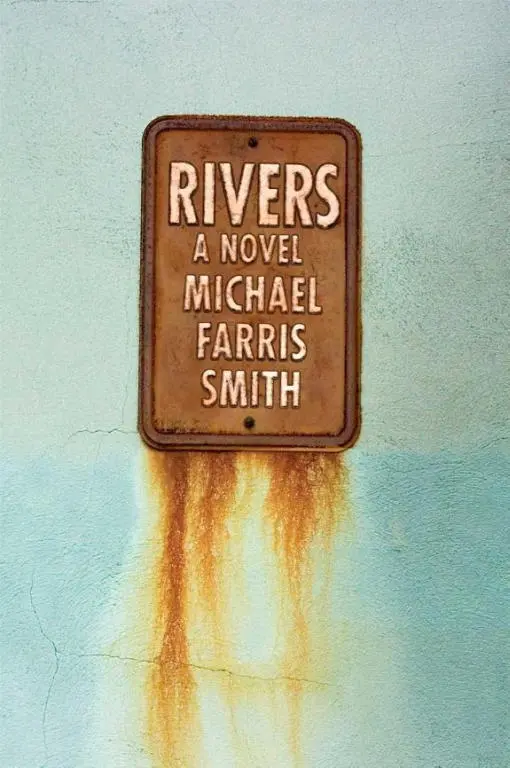
- Название:Rivers
- Автор:
- Издательство:Simon & Schuster
- Жанр:
- Год:2013
- Город:New York
- ISBN:9781451699425
- Рейтинг книги:5 / 5. Голосов: 1
-
Избранное:Добавить в избранное
- Отзывы:
-
Ваша оценка:
Rivers: краткое содержание, описание и аннотация
Предлагаем к чтению аннотацию, описание, краткое содержание или предисловие (зависит от того, что написал сам автор книги «Rivers»). Если вы не нашли необходимую информацию о книге — напишите в комментариях, мы постараемся отыскать её.
Cohen is one who stayed. Unable to overcome the crushing loss of his wife and unborn child who were killed during an evacuation, he returned home to Mississippi to bury them on family land. Until now he hasn’t had the strength to leave them behind, even to save himself.
But after his home is ransacked and all of his carefully accumulated supplies stolen, Cohen is finally forced from his shelter. On the road north, he encounters a colony of survivors led by a fanatical, snake-handling preacher named Aggie who has dangerous visions of repopulating the barren region.
Realizing what’s in store for the women Aggie is holding against their will, Cohen is faced with a decision: continue to the Line alone, or try to shepherd the madman’s captives across the unforgiving land with the biggest hurricane yet bearing down—and Cohen harboring a secret that may pose the greatest threat of all.
Eerily prophetic in its depiction of a southern landscape ravaged by extreme weather,
is a masterful tale of survival and redemption in a world where the next devastating storm is never far behind.
Rivers — читать онлайн бесплатно полную книгу (весь текст) целиком
Ниже представлен текст книги, разбитый по страницам. Система сохранения места последней прочитанной страницы, позволяет с удобством читать онлайн бесплатно книгу «Rivers», без необходимости каждый раз заново искать на чём Вы остановились. Поставьте закладку, и сможете в любой момент перейти на страницу, на которой закончили чтение.
Интервал:
Закладка:
He lowered his arms, opened his eyes, and nodded to them. In unison they spoke a broken amen. One of the women stepped out of line and toward the table.
“Hey,” Aggie snapped. “You hold your ass right there.”
She took a slow step back.
“You forget how we work?” he asked and pointed the Bible at her. She shook her head. “What did you say?” he yelled.
“No. I ain’t forgot,” she mumbled.
Aggie put the Bible in his back pocket. “You better not. None of you,” he said. Then he clapped his hands together, said a final amen, and told them to eat.
16
IT TOOK A WHILE TO find it, but he found it. Roads washed over that hadn’t been washed over before. Detours off the highway, trailing the back roads, sometimes off into fields or ditches to get around fallen trees or light posts. But he found Himmel Road, a single-lane road that had been patched many times, and at the beginning of the road was a moldy white wooden sign that read CRAWFIELD PLANTATION in Old English lettering. The sign was on a fence post and was amazingly erect though it stood in a pool of water in what was now a ditch.
He remembered Crawfield Plantation from school field trips when he was a boy, and then later looking at cattle and horses with his dad. A few hundred acres of thick forest and grazing pastures. Stables and barns and a white wooden fence stretching the length of its acreage along the road. And what seemed like a sky-high antebellum, with four columns across the front reaching from the porch to the roofline, a balcony that stretched across the length of the front of the house, and on the backside two smaller balconies that reached out from bedrooms. Azaleas circling the house and along both sides of a bricked pathway that led from the front door down to the circular driveway. Magnolias and oaks in the front and side yards and in the back a courtyard with a bricked patio and walkways, a concrete fountain in the middle, and arches and columns decorating the corners with vines of moonflower and black-eyed Susies and honeysuckle twisting and blooming.
None of this was there now. Cohen moved along the road in low gear, looking ahead to where he remembered the wonderful house that sat up on a hill and seemed to keep watch across the land like a mother might watch her children playing. Nothing now. The house gone and the magnolias and oaks broken and in the place of majesty was a gathering of the once white rectangular boxes that the government had delivered with a handshake and a smile. He slowed, then stopped. A half mile away. Then he turned off the ignition. The rain was dying some, falling in random, almost undetectable drops. He pushed the robe back off his head and shoulders and he lit a cigarette. The gas gauge was on empty and he knew he wasn’t going much farther. In any direction. It seemed that the dying man may have told him the truth, that the boy and girl were at Crawfield Plantation. But so were others. He watched a group of them mill around the trailers. And he reminded himself that whoever was there, they weren’t safe. Nothing was safe and nothing was certain.
He smoked and thought about it some. It was probably mid-afternoon, hard to tell from the sky, but dark couldn’t be more than a few hours away. He’d wait, go take a closer look. Maybe it would rain harder and keep him covered and quiet. The dog sniffed around in the backseat and they discovered the bag of beef jerky still tucked underneath the driver’s seat and they sat and chewed while they waited for night.
HE TOOK OFF THE ROBE and knocked the jeep out of gear and rolled it back some to the side of the road, along the bushy fence line. He took the flashlight and the shotgun and he and the dog started walking up the road, close to the barbed wire wrapped in thick, leafy vines. In the time that he had been watching there had been little movement and he figured from the array of vehicles scattered around the trailers that there had to be gas up there somewhere. He walked hunched over, his knees bent, as small as he could be. His breath out before him. The nightfall bringing the cold. The rain steady. Fifty yards away he told the dog to stop and they knelt down and he watched. Low lights burned from the insides of the trailers. Candlelight, he thought. The solitary man who had been moving about all day sat on the end of a let-down tailgate of a truck, facing their direction, with a hood over his head. It was getting difficult to see.
They edged along. Ten yards or so at a time and then stopping and listening. Then moving some more. He was at the gate that led into the plantation land and he stopped again. Told the dog to stay. The dog looked around, stayed at his heel. Then they moved across the opening of the gate and there was an alarming clap and the dog fell dead as the clap echoed across the land. Cohen jumped, and then froze, and then darted back behind the gatepost as another shot rang out and splintered the post above his head. He sat with his back against the post, breathing hard, trying to decide if he should run for it or fire back and he pointed the shotgun around the post and fired without looking. Another shot splintered above his head and he fired back and then he hurried to reload with the shots from the compound whacking against the post and their echo stretching out into the early night.
He looked over at the motionless dog and said son of a bitch, son of a bitch. The shots kept coming and he felt them coming from closer and closer and he was dead if he ran and dead if he didn’t run and all he knew to do was to turn and fire out into the dark in the direction that he thought was right. So he caught his breath, ignoring the shards of wood scattering about his head, and he leaped out and fired twice. Bright blasts in the gray-black world and then he felt the seething-hot pain shoot through his thigh muscle and he hit the ground. Writhing and wrestling with the shotgun, trying to reload, then he heard the voice say, “Don’t do it, boy. Don’t do it or I swear you’ll drink the blood.”
17
THE MAN HELD THE RIFLE on Cohen as he limped through the mud to the circle of trailers. He told him to sit down over there by the red coals covered by a head-high tarp tied off between two trailers. Cohen did and the heat that had shot through his leg was up into his head and he clenched his jaw as he sat down on the wet red ground. He squeezed the gunshot wound with both hands and they were covered in blood and it ran warm down his leg and into his boot.
“Don’t move,” Aggie told him as he left him at the fire. He went into a trailer and came back with a tackle box and a pint of whiskey. Heads looked out of windows in the trailers surrounding the fire.
Aggie held out the bottle and Cohen let go of his leg and took it and unscrewed the cap and turned it up in one fluid motion. He drank some and spit some out and by then Aggie had opened the tackle box and taken out a roll of gauze and something in a spray can and a heavy bandage.
“Son of a bitch,” Cohen said, spit and whiskey running down the sides of his mouth. He turned the bottle up again and then tossed it aside and it spilled out.
“Careful with that,” Aggie said. “Shit don’t grow on trees.” He held the spray can up and sprayed it once and then moved toward Cohen.
“Get the hell away from me with that shit,” Cohen said and he slid across the ground.
“Come here and shut up.”
“I said get on.”
Aggie came forward and Cohen stiff-armed him.
“Ain’t no bullet in there,” Aggie said. “So we gotta clean it up. Stop it bleeding. Looks like it missed the bone. Hold still.”
“I ain’t holding still.”
“You will if you want it to quit.”
“Fuck you. You shot me.”
“Shot you. And could have killed you. Still could. So quit squirming and rip them pants. It’s that or sit here and bleed.”
Читать дальшеИнтервал:
Закладка:
Похожие книги на «Rivers»
Представляем Вашему вниманию похожие книги на «Rivers» списком для выбора. Мы отобрали схожую по названию и смыслу литературу в надежде предоставить читателям больше вариантов отыскать новые, интересные, ещё непрочитанные произведения.







Обсуждение, отзывы о книге «Rivers» и просто собственные мнения читателей. Оставьте ваши комментарии, напишите, что Вы думаете о произведении, его смысле или главных героях. Укажите что конкретно понравилось, а что нет, и почему Вы так считаете.