Eduardo Galeano - Soccer in Sun and Shadow
Здесь есть возможность читать онлайн «Eduardo Galeano - Soccer in Sun and Shadow» весь текст электронной книги совершенно бесплатно (целиком полную версию без сокращений). В некоторых случаях можно слушать аудио, скачать через торрент в формате fb2 и присутствует краткое содержание. Год выпуска: 2013, ISBN: 2013, Издательство: Byliner Inc., Жанр: Публицистика, на английском языке. Описание произведения, (предисловие) а так же отзывы посетителей доступны на портале библиотеки ЛибКат.
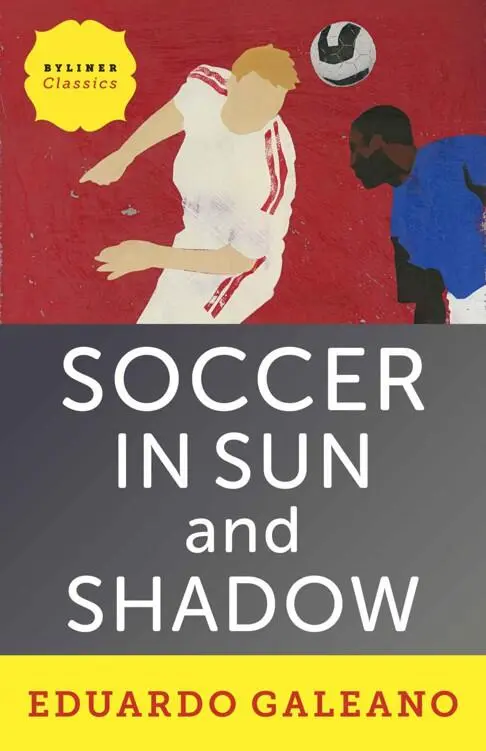
- Название:Soccer in Sun and Shadow
- Автор:
- Издательство:Byliner Inc.
- Жанр:
- Год:2013
- ISBN:9781614520771
- Рейтинг книги:4 / 5. Голосов: 1
-
Избранное:Добавить в избранное
- Отзывы:
-
Ваша оценка:
Soccer in Sun and Shadow: краткое содержание, описание и аннотация
Предлагаем к чтению аннотацию, описание, краткое содержание или предисловие (зависит от того, что написал сам автор книги «Soccer in Sun and Shadow»). Если вы не нашли необходимую информацию о книге — напишите в комментариях, мы постараемся отыскать её.
Soccer in Sun and Shadow — читать онлайн бесплатно полную книгу (весь текст) целиком
Ниже представлен текст книги, разбитый по страницам. Система сохранения места последней прочитанной страницы, позволяет с удобством читать онлайн бесплатно книгу «Soccer in Sun and Shadow», без необходимости каждый раз заново искать на чём Вы остановились. Поставьте закладку, и сможете в любой момент перейти на страницу, на которой закончили чтение.
Интервал:
Закладка:
Before and after each match and at halftime as well, they would play a tango over the loudspeakers composed in homage to Bernabé’s artillery barrages. In 1932 the newspaper Crítica offered a sizable prize to the goalkeeper who could stop him from scoring. One afternoon that year, Bernabé had to take off his shoes for a group of journalists to prove no iron bars were hidden in the toes.
Turning Pro
Even though recent scandals (“clean hands, clean feet”) have put the bosses of Italy’s biggest clubs on the spot, soccer is still among the country’s ten most important industries, and it remains a magnet for South American players.
Italy was already a Mecca way back in the time of Mussolini. Nowhere else in the world did they pay so well. Players would threaten the owners with “I’m going to Italy,” and those magic words would loosen the purse strings. Some really did go, traveling by ship from Buenos Aires, Montevideo, São Paulo, and Rio de Janeiro, and if they didn’t have Italian parents or grandparents somebody in Rome would invent a family on the spot for immediate citizenship.
The exodus of players was one factor that led to the birth of professional soccer in our countries. In 1931 Argentina turned pro, and Uruguay followed suit the next year. In Brazil a professional league was launched in 1934. That was when they legalized payments previously made under the table, and the player became a worker. The contract tied him to the club full-time and for life, and he could not change his workplace unless the team sold him. Like a factory worker, the player traded his labor for a wage and became as much a prisoner on the field as a serf on a manor. But in the early days the demands of professional soccer weren’t great: only two hours a week of obligatory training. In Argentina anyone missing a practice session without a doctor’s note paid a five-peso fine.
The 1934 World Cup
Johnny Weissmuller was doing his first Tarzan howl, the first mass-produced deodorant was hitting the market, and Louisiana police were shooting down Bonnie and Clyde. Bolivia and Paraguay, the two poorest countries in South America, were fighting in the name of Standard Oil and Shell and bleeding over oil in the Chaco. Sandino, having defeated the Marines in Nicaragua, was being shot dead in an ambush and Somoza, the murderer, was inaugurating his dynasty. In China, Mao was beginning his Long March. In Germany, Hitler was being crowned Führer of the Third Reich and was promulgating laws to defend the Aryan race, which forced sterilization on criminals and on anyone with a hereditary disease, while in Italy Mussolini was inaugurating the second World Cup.
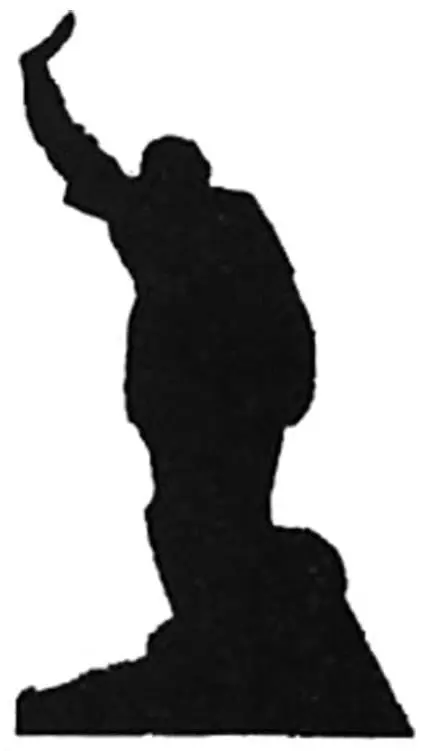
Posters for the championship showed Hercules balancing a ball on his foot while doing the Fascist salute. For Il Duce the 1934 World Cup in Rome was an elaborate propaganda operation. Mussolini attended every match, sitting in the box of honor, his chin raised toward stands filled with black shirts. The eleven players of the Italian squad dedicated their victories to him, their right arms outstretched.
But the road to the title was not easy. The second-round match between Italy and Spain turned out to be the most grueling in the history of World Cup play. The battle lasted 210 minutes and did not end until the following day, by which time war wounds or sheer exhaustion had sidelined several players. Italy won but finished without four of its starting players, Spain without seven. Among the injured Spaniards were the two best players: the striker Lángara and the keeper Zamora, who hypnotized anyone who set foot in the box.
Italy waged the final against Czechoslovakia in National Fascist Party Stadium and won 2–1. Two Argentines recently nationalized as Italians did their part: Orsi scored the first goal, dribbling around the goalkeeper, and the other Argentine, Guaita, made a pass to Schiavio to set up the goal that gave Italy its first World Cup.
In 1934 sixteen countries participated: twelve from Europe and three from Latin America, plus Egypt, the lone representative of the rest of the world. The reigning champion, Uruguay, refused because Italy had not come to the first World Cup in Montevideo.
Germany and Austria came in third and fourth. The Czech Nejedly was the leading scorer with five goals, followed by Conen from Germany and Schiavio from Italy with four apiece.
God and the Devil in Rio de Janeiro

One very rainy night while the year 1937 was dying, an enemy fan buried a toad in Vasco da Gama’s playing field and called down a curse: “Vasco won’t win a championship for the next twelve years! They won’t, if there is a God in heaven!” He was a fan of a humble team that Vasco da Gama had beaten 12–0; Arubinha was his name.
For years, fans and players alike searched for that toad on and around the field. They never found it. The playing field was so pockmarked, it looked like a moonscape. Vasco da Gama hired the best players in Brazil, put together sides that were veritable powerhouses, but they kept on losing.
At last in 1945, the team won the Rio trophy and broke the curse. They had not been champions since 1934. Eleven years of drought. “God gave us a little discount,” the club president commented.
Much later, in 1953, the team with problems was Flamengo, the most popular club not only in Rio de Janeiro but in all Brazil, the only one that is the home team wherever it plays. Their fans, who are the most numerous and fervent in the world, were dying of hunger. Then a Catholic priest, one Father Goes, offered a guarantee of victory as long as the players attended his mass before each match and said the rosary kneeling before the altar.
Flamengo won the championship three years in a row. Their rivals protested to Cardinal Jaime Câmara: Flamengo was using outlawed weapons. Father Goes defended himself claiming all he did was show them the way of the Lord. The players continued saying their rosaries of black and red beads, colors that are not only Flamengo’s but also those of an African deity who incarnates Jesus and Satan at the same time. The fourth year Flamengo lost the championship. The players stopped going to mass and never said the rosary again. Father Goes asked the Pope in Rome for help, but he never answered.
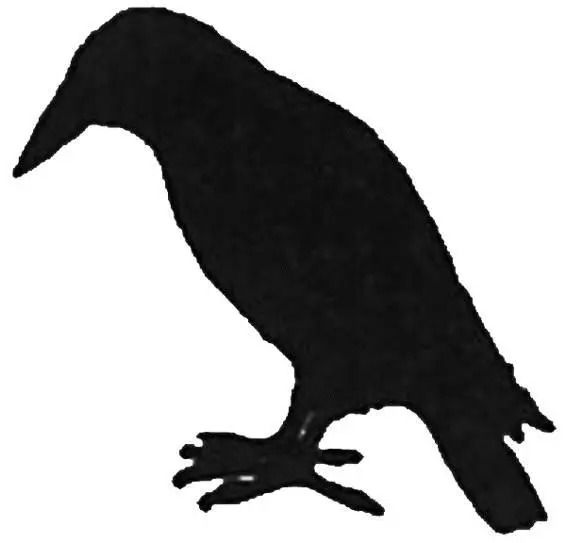
Father Romualdo, on the other hand, obtained the Pope’s permission to become a partner in Fluminense. The priest attended every practice session. The players did not like it one bit. Twelve years had passed since Fluminense had last won the Rio trophy, and it was bad luck to have that big black bird standing at the edge of the field. The players shouted insults at him, unaware that Father Romualdo had been deaf since birth.
One fine day, Fluminense started to win. They won one championship, then another and another. Now the players would only practice in the shadow of Father Romualdo. After every goal they kissed his cassock. On weekends the priest watched the matches from the box of honor and babbled who knows what against the referee and the opposing players.
The Sources of Misfortune
Интервал:
Закладка:
Похожие книги на «Soccer in Sun and Shadow»
Представляем Вашему вниманию похожие книги на «Soccer in Sun and Shadow» списком для выбора. Мы отобрали схожую по названию и смыслу литературу в надежде предоставить читателям больше вариантов отыскать новые, интересные, ещё непрочитанные произведения.



Обсуждение, отзывы о книге «Soccer in Sun and Shadow» и просто собственные мнения читателей. Оставьте ваши комментарии, напишите, что Вы думаете о произведении, его смысле или главных героях. Укажите что конкретно понравилось, а что нет, и почему Вы так считаете.