Robert Leckie - Strong Men Armed
Здесь есть возможность читать онлайн «Robert Leckie - Strong Men Armed» весь текст электронной книги совершенно бесплатно (целиком полную версию без сокращений). В некоторых случаях можно слушать аудио, скачать через торрент в формате fb2 и присутствует краткое содержание. Город: Cambridge, Год выпуска: 2010, ISBN: 2010, Издательство: Da Capo Press, Жанр: nonf_military, на английском языке. Описание произведения, (предисловие) а так же отзывы посетителей доступны на портале библиотеки ЛибКат.
- Название:Strong Men Armed
- Автор:
- Издательство:Da Capo Press
- Жанр:
- Год:2010
- Город:Cambridge
- ISBN:978-0-786-74832-7
- Рейтинг книги:3 / 5. Голосов: 1
-
Избранное:Добавить в избранное
- Отзывы:
-
Ваша оценка:
Strong Men Armed: краткое содержание, описание и аннотация
Предлагаем к чтению аннотацию, описание, краткое содержание или предисловие (зависит от того, что написал сам автор книги «Strong Men Armed»). Если вы не нашли необходимую информацию о книге — напишите в комментариях, мы постараемся отыскать её.
Strong Men Armed — читать онлайн бесплатно полную книгу (весь текст) целиком
Ниже представлен текст книги, разбитый по страницам. Система сохранения места последней прочитанной страницы, позволяет с удобством читать онлайн бесплатно книгу «Strong Men Armed», без необходимости каждый раз заново искать на чём Вы остановились. Поставьте закладку, и сможете в любой момент перейти на страницу, на которой закончили чтение.
Интервал:
Закладка:
26
To bombard Kwajalein Atoll and transport the troops there, Admiral Turner had an enormous fleet of nearly 300 ships, including one big and ten smaller aircraft carriers and seven old battleships.
To make the assault on Kwajalein Islet in the south and Roi-Namur in the north, Major General Howlin’ Mad Smith, the expeditionary troops commander, had two full divisions and a brigade. Of this force, Smith would use the Army’s 7th Infantry Division against the southern islet and the Fourth Marine Division against Roi-Namur. The brigade, consisting of the orphan Twenty-second Marine Regiment and the remaining two battalions of the 106th Infantry, would be in floating reserve.
It was an overwhelming force, something like 40,000 troops going against Kwajalein Atoll’s 8,000 defenders, or whatever number survived the preinvasion bombardment and shelling which was to outdo anything attempted before. The Navy gunfire people had learned from Tarawa that pillboxes could only be knocked out with direct hits from big shells or big bombs, and that these missiles must be armor-piercing. Old battleships such as Maryland, Colorado, Tennessee, New Mexico, Idaho, Mississippi and Pennsylvania had been found to be ideal for bombardment. They had been schooled in it, had learned how to knock out beach installations with patient, pinpointed fire directed by the Joint Assault Signal Companies (JASCO) whose mission was to put ashore spotters trained in calling down naval gunfire. It had also been learned that neither shells nor bombs will destroy underwater beach defenses. This had to be done by hand, by sailors who volunteered to swim into enemy beaches under covering gunfire and there to explode antiamtrack obstacles or to disarm underwater mines. They formed the Underwater Demolition Teams, and these too would be used for the first time at Kwajalein.
Impressive, too, was the massive preliminary bombing of December-January, during which land-based planes on Makin, Tarawa and Apamama dropped 1,677 tons of explosives on Kwajalein, Wotje, Maloelap, Mili and Jaluit. Carrier-based planes also hit these and other atolls with multiplying fury, sinking ships and damaging cruisers, knocking down planes and destroying them on the ground. Seventh Air Force high-altitude bombing added to the misery of the Marshalls. Then came 6,919 tons of naval shells fired against Marshalls targets for three days preceding and during the invasion. Already, as the American armada separated into Northern and Southern Attack Forces, the bombardment had killed Vice Admiral Michiyuki Yamada on Namur. Already a radioman on Roi-Namur had made this notation in his diary: “Convoy left Pearl Harbor on January 22 to attack us.”
A convoy had left Pearl Harbor on that date and it was the Northern Force headed for Roi-Namur. It carried the men of the Fourth Marine Division.
They had sailed from San Diego in California and had paused but a day in Lahaina Roads while their officers went ashore to confer with naval officers. Then they moved on, learning, a few days out of Hawaii, that they were sailing straight from the States to the battleground. Their zigzag course between San Diego and Roi-Namur Islets covered considerably more than the 5,000-mile beeline lying between these points and they began to boast of it; being a brand-new outfit, the Fourth was desperate for things to boast about. They hadn’t much, other than that among their ranks were the sons of five Marine generals—including Lieutenant Colonel Alexander Vandegrift, Jr.—and that a private first class named Stephen Hopkins was also the son of Harry Hopkins, the right-hand man of President Roosevelt. Of course, Lieutenant Colonel Evans Carlson of Raider fame was on the division staff, and this was another desperate distinction.
But combat honors? No. Tradition, no. Even the Third Marine Division had a regiment able to claim descent from the Third Marines of World War One. Not so the Fourth. All their outfits were brand-new, born of the Marine Corps’ expansion from a 50,000-man prewar force to one now approaching half a million. The Fourth’s regiments had double-digit numbers that made them sound like Army outnts—the Twenty-third, Twenty-fourth, and Twenty-fifth Marines, the Fourteenth Marine Artillery, the Twentieth Marine Engineers. The Fourth Division was not nearly as well trained in amphibious operations as was that 7th Army Infantry Division which would take Kwajalein Islet to the south. The Marines themselves had trained the 7th, and the 7th had already been in battle at Attu, but the Fourth had not had much opportunity to train as a unit. Yet, green as it was, it was commanded by one of the most experienced leaders in the Marine Corps, Major General Harry Schmidt.
The sun helmet General Schmidt wore over his scowling face testified to his status as an old China hand. He had been assistant to the Marine Commandant. With Howlin’ Mad Smith he had been a pioneer in developing Marine amphibious techniques, and he had worked out a good plan to implement Smith’s novel tactic of landing artillery a day before the main body of infantry.
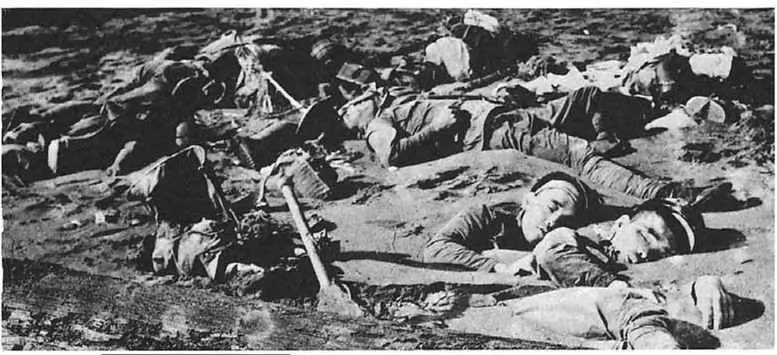
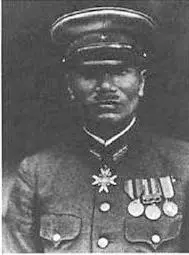
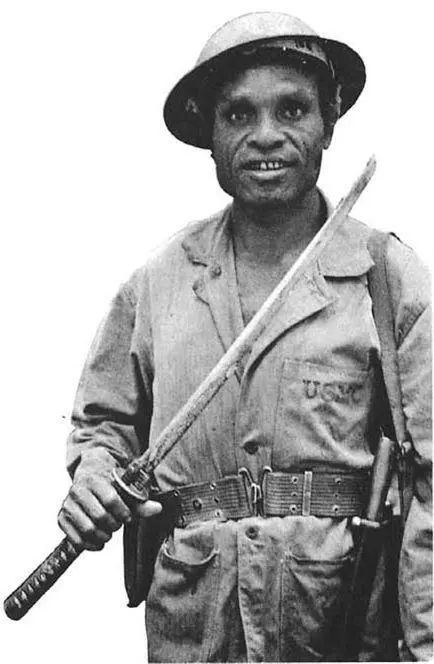
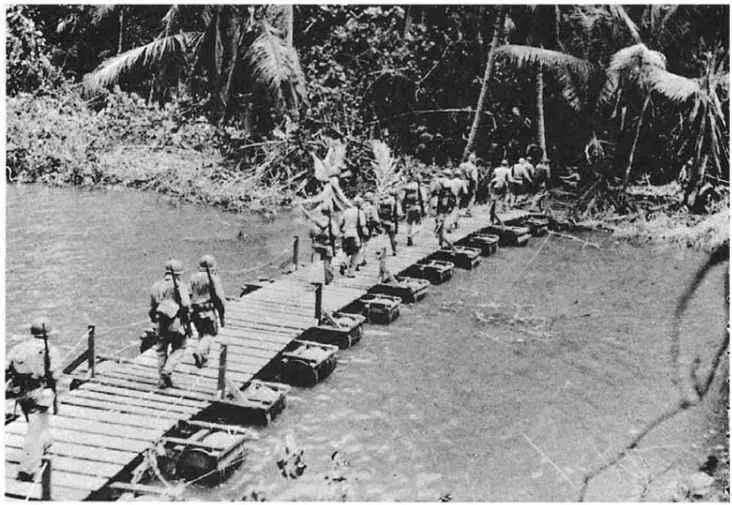
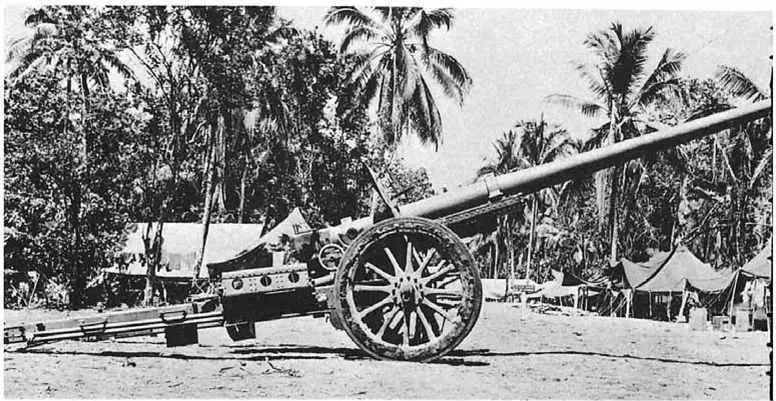
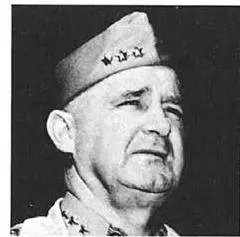
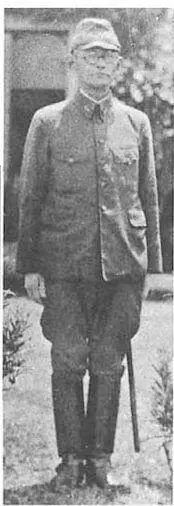
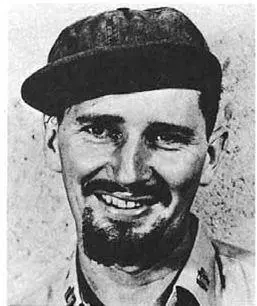
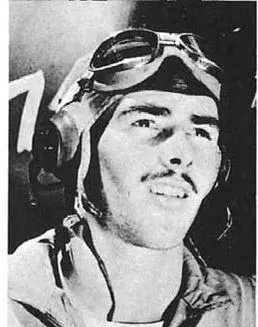
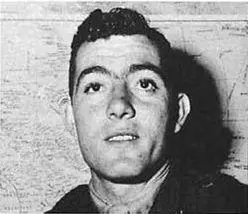
RIGHT BOTTOM: Staff Sergeant Bill Coffeen was a casualty of that fighting. Shot down over waters of The Slot, he spent 70 days wandering through islands. Natives found him floating on raft in delirious state and nursed him back to health.
Читать дальшеИнтервал:
Закладка:
Похожие книги на «Strong Men Armed»
Представляем Вашему вниманию похожие книги на «Strong Men Armed» списком для выбора. Мы отобрали схожую по названию и смыслу литературу в надежде предоставить читателям больше вариантов отыскать новые, интересные, ещё непрочитанные произведения.









Обсуждение, отзывы о книге «Strong Men Armed» и просто собственные мнения читателей. Оставьте ваши комментарии, напишите, что Вы думаете о произведении, его смысле или главных героях. Укажите что конкретно понравилось, а что нет, и почему Вы так считаете.