Timothy Johnston - The Current
Здесь есть возможность читать онлайн «Timothy Johnston - The Current» весь текст электронной книги совершенно бесплатно (целиком полную версию без сокращений). В некоторых случаях можно слушать аудио, скачать через торрент в формате fb2 и присутствует краткое содержание. Город: Chapel Hill, Год выпуска: 2019, ISBN: 2019, Издательство: Algonquin Books of Chapel Hill, Жанр: Триллер, на английском языке. Описание произведения, (предисловие) а так же отзывы посетителей доступны на портале библиотеки ЛибКат.
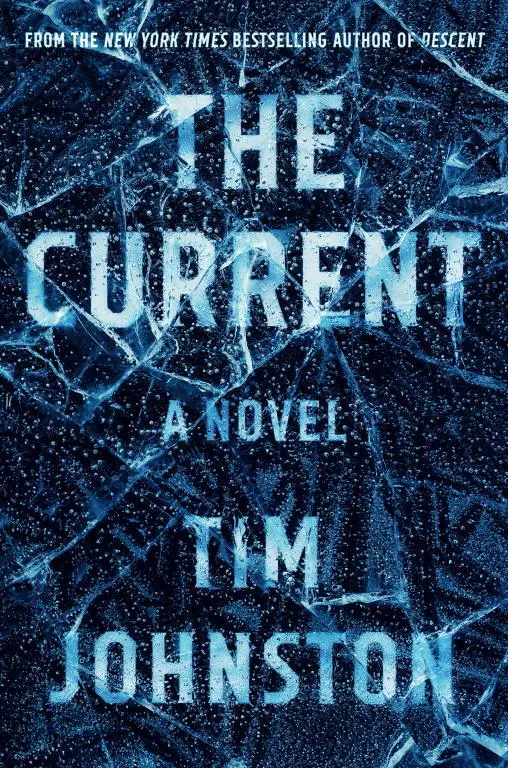
- Название:The Current
- Автор:
- Издательство:Algonquin Books of Chapel Hill
- Жанр:
- Год:2019
- Город:Chapel Hill
- ISBN:978-1-61620-889-9
- Рейтинг книги:4 / 5. Голосов: 1
-
Избранное:Добавить в избранное
- Отзывы:
-
Ваша оценка:
The Current: краткое содержание, описание и аннотация
Предлагаем к чтению аннотацию, описание, краткое содержание или предисловие (зависит от того, что написал сам автор книги «The Current»). Если вы не нашли необходимую информацию о книге — напишите в комментариях, мы постараемся отыскать её.
The Current — читать онлайн бесплатно полную книгу (весь текст) целиком
Ниже представлен текст книги, разбитый по страницам. Система сохранения места последней прочитанной страницы, позволяет с удобством читать онлайн бесплатно книгу «The Current», без необходимости каждый раз заново искать на чём Вы остановились. Поставьте закладку, и сможете в любой момент перейти на страницу, на которой закончили чтение.
Интервал:
Закладка:
Or maybe it had nothing to do with her, and everyone had become invisible to him. He was a ghost who everyone could see but who could see no one else.
And her father had not found the man or men, or boy or boys, who’d done it and no one talked about that anymore either, or at least not in front of Audrey they didn’t. Nor did they talk about it themselves, she and her father, although she knew he thought about it always, that it was in him every day like his cancer and maybe it was even part of his cancer. Or his cancer was part of it, had grown out of it, feeding on it… And just then the particular sounds and smells of hospitals, of human sickness, returned to her in the moment and she remembered she was in a hospital once again, and she turned her head just enough to see the clock and not the bed itself, not the wilted flowers and the stuffed animals.
Forty-five minutes late now.
An hour late now but she wasn’t angry, she wasn’t mad, she could never be mad at him again, there wasn’t time for that. But finally she couldn’t sit there any longer, and she rolled to the open door to see was the coast clear, and she’d no sooner crossed the threshold than she saw a doctor coming toward her, and it was her own Dr. Breece—less breezy than usual, the wings of his white coat weighted down by his hands like stones in the pockets, a man deep in thought, and she thought she could roll back into the room without him seeing her but she couldn’t—he looked up and saw her there and she saw him catch himself up, saw the recognition in his eyes and she knew at once he wasn’t passing by but had come to see her especially, walking all the way from some far wing of the hospital, some altogether unrelated place where people weren’t waiting to leave their quiet little rooms but were arriving in bursts of noise and urgency, nurses converging, doctors commanding, a place of blood and pain and emergency.
And next she knew, she was walking in a dream to that far other place in the hospital, one hushed and squeaking long hallway after another, a long humming elevator ride down, just she and the doctor alone, and following him toward a gray metal door that hissed open for them like it knew them, was expecting them—icu personnel only—and lastly there was the silvery cold whisking sound of metallic rings along a metallic bar as the doctor drew the curtain aside and there he lay on the bed—partly raised and neatly tucked in as if for a night’s sleep and not for the long cold forever sleep that she saw everywhere she looked, starting with his hands so white and still on top of the sheet. The bony pale chest neither rising or falling as she watched. The eyes that would not open and the mouth that would not smile and say to her in its old torn-up voice, There you are, Deputy… was just coming to get you .
PART III
27
WHEN SHE NEXT awoke, rising once again through depths of water and color, she was not in the hospital but in her father’s house. As if they’d made it there after all: Caroline upstairs in her bed, sleeping off the drive, she downstairs on the sofa, a corduroy throw pillow that smelled of smoke pressing its design into her cheek. The dampness on the pillow was from drool, she thought, but then she remembered the tears and then she remembered everything else. Caroline gone. Her father gone. The house so empty and quiet you could hear his watch ticking on the coffee table.
But something had woken her—a ringing, or chiming—and she reached out with her good hand and picked up his phone and pressed the button, pressed it again, but the screen remained dark. The room itself was dark, or almost dark; the sun going down. She sat up and put her feet to the floor and as she did so the doorbell rang again. Her boots were still on her feet—so heavy as she crossed the floor, as if still soaked from their time in the river. The plaster cast a strange weight on her arm.
She drew aside the little curtain on the door just as he raised his fist and rapped his knuckles on the wood, and he stopped at once, opening his hand in hello, in apology, and by the time she turned the bolt and opened the door his hat was off and in his hand. Standing there in full uniform on the porch, winter sheriff’s jacket, sheriff’s badge shining. His cruiser was parked in the driveway behind her father’s car, and her first thought was of her stuff—her suitcases, her backpack with her school books, all of it dried out and repacked and hand-delivered. But there was nothing else on the porch other than him. Then she looked into his bulgy eyes and knew what he would say, and he said it: “Audrey, I’m so sorry. I am just so sorry.”
“Thank you. Sheriff,” she said. Her mouth strange and thick. She’d taken one of the pills, the pain pills, after she’d gotten home from the hospital, she remembered. Remembered crying on the sofa—and nothing after that.
Moran stood holding the stormdoor in his free hand. Audrey holding the wooden door in a mirror image. She noticed snowflakes in the brown nap of his jacket collar, and then she noticed the snow falling beyond him. The snow on the windshield of her father’s car did not look thick and she didn’t think she’d slept very long. And he’d had to drive up here from Iowa—so how had he known?
She asked him this, “How did you know so fast?” and he looked down, and looking up again said, “I’ve been calling his phone since noon and finally I decided to just drive on up here, and on the way I called the hospital and they told me.”
There was movement and she looked beyond him to see Mr. Larkin standing in his driveway. All geared up in boots and parka and both his gloved hands resting on the handle of his shovel. The snow still falling and him out there shoveling. Or not shoveling. Moran turned too, and Mr. Larkin coughed a pale cloud and began pushing the shovel over the concrete, raising a grinding scrape that was terrible to hear in the snowfall, in the quiet of the cul-de-sac.
Moran turned back and said, “Audrey, I sure don’t want to bother you right now—” He looked past her. “Are you alone?”
“Yes.”
“No one’s here with you?”
“No.” Grandma Sutter and her husband were on their way from Illinois, and Uncle John was flying in from Houston, but it was too much to say.
Moran stood looking at her. “Well. Do you mind if I step inside for just a minute or two?”
His tone, his face, woke her somewhat from her stupor, and she stood aside so he could enter. He kicked the snow from his boots before stepping in, and Mr. Larkin in his driveway pitched a white cloud of powder with his face turned to watch the sheriff go into the house, before the front door shut off his view altogether.
She turned on the light and they both stood looking around. It was weird and she knew what the weirdness was: she’d never been alone with him in the house before.
She saw him see her father’s things—the watch, the phone, the Zippo lighter, the cigarettes, the little black notebook, the ring of keys and the old .38 revolver—all in a row on the coffee table.
“Can I get you anything?” she said, remembering her manners. “There’s probably coffee.”
“Thank you, no,” said Moran. He was looking at her face now. He put a finger to his own. “You’ve got these… lines.”
She reached and felt the small ridges on her cheek. Tried to smooth them out. “It’s that,” she said, gesturing, trying to think of the word. “Pillow.”
He looked. “You were sleeping,” he said. “Shoot, I’m sorry. What a time to have some guy in a uniform banging on your door.”
“It’s all right.”
He stood there. Then he fanned his face with his hat and said, “Warm in here. I’ll just get out of this jacket if you don’t mind.”
Читать дальшеИнтервал:
Закладка:
Похожие книги на «The Current»
Представляем Вашему вниманию похожие книги на «The Current» списком для выбора. Мы отобрали схожую по названию и смыслу литературу в надежде предоставить читателям больше вариантов отыскать новые, интересные, ещё непрочитанные произведения.






Обсуждение, отзывы о книге «The Current» и просто собственные мнения читателей. Оставьте ваши комментарии, напишите, что Вы думаете о произведении, его смысле или главных героях. Укажите что конкретно понравилось, а что нет, и почему Вы так считаете.