Timothy Johnston - The Current
Здесь есть возможность читать онлайн «Timothy Johnston - The Current» весь текст электронной книги совершенно бесплатно (целиком полную версию без сокращений). В некоторых случаях можно слушать аудио, скачать через торрент в формате fb2 и присутствует краткое содержание. Город: Chapel Hill, Год выпуска: 2019, ISBN: 2019, Издательство: Algonquin Books of Chapel Hill, Жанр: Триллер, на английском языке. Описание произведения, (предисловие) а так же отзывы посетителей доступны на портале библиотеки ЛибКат.
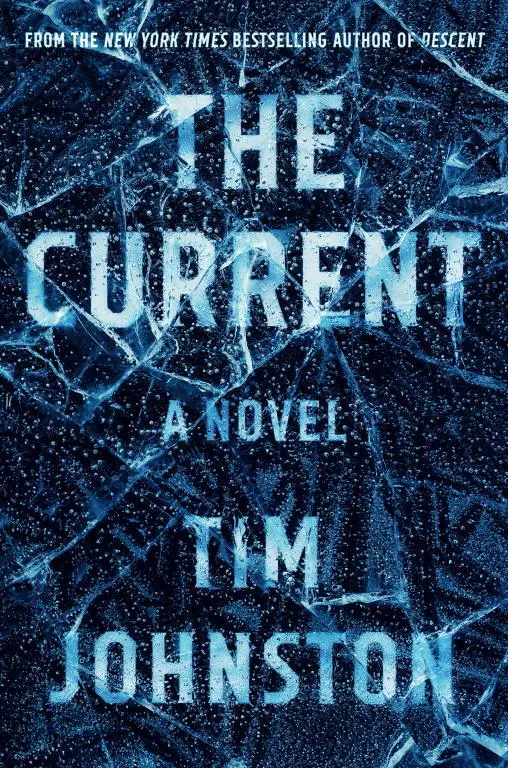
- Название:The Current
- Автор:
- Издательство:Algonquin Books of Chapel Hill
- Жанр:
- Год:2019
- Город:Chapel Hill
- ISBN:978-1-61620-889-9
- Рейтинг книги:4 / 5. Голосов: 1
-
Избранное:Добавить в избранное
- Отзывы:
-
Ваша оценка:
The Current: краткое содержание, описание и аннотация
Предлагаем к чтению аннотацию, описание, краткое содержание или предисловие (зависит от того, что написал сам автор книги «The Current»). Если вы не нашли необходимую информацию о книге — напишите в комментариях, мы постараемся отыскать её.
The Current — читать онлайн бесплатно полную книгу (весь текст) целиком
Ниже представлен текст книги, разбитый по страницам. Система сохранения места последней прочитанной страницы, позволяет с удобством читать онлайн бесплатно книгу «The Current», без необходимости каждый раз заново искать на чём Вы остановились. Поставьте закладку, и сможете в любой момент перейти на страницу, на которой закончили чтение.
Интервал:
Закладка:
“Here,” said Sutter, and Radner looked up, white-faced, grimacing. He looked Sutter in the eye, then snatched the red rag from him and wrapped it around his hand. “I’m throwing your keys in the bed of the truck,” Sutter said. “You find them and you drive yourself to the urgent care clinic on Highland. You know where that is?”
“Gimme my phone so I can call an ambulance.”
“You don’t need an ambulance.”
Radner hung his head. A string of drool swinging from his lip. “Crazy motherfucker. Think they won’t find you and lock your ass up?”
“They might,” he said. “But I got a feeling after you think on it awhile you’ll come to remember that you shot yourself in the hand. Happens every day to people even smarter than you.” Then he walked to the sedan and got behind the wheel and turned over the engine and drove out the way he’d come, and the last thing he saw in the mirror before his view was blocked by the building was the dark figure rising from the snow and staggering toward the tailgate of the truck, and he did not hear the figure’s curses but only saw them, bursting from its mouth and following its head in clouds of rage.
ON HIS WAY back through town he pulled over and sat thumbing through the contacts on Radner’s phone. His heart was still pounding and would not let up. There was no Bud that he saw. He checked the texts but they only went back two days and no Bud there either. He checked the phone log—nothing. Bud as in “buddy.” Jesus Christ. He saw that hand again, that filthy hand, the bits of pink and bone flying.
He wiped down the phone and got out of the car and stepped up to the blue public mailbox at the corner; there was the dull bong of the phone on the floor of the box, and he returned to the car and drove on. Past the last stoplight. Past the Shell station out there on the county road—same blond head in the window as before, bent over its puzzles as ever, steady as a monk, or a lifer in her cell. Over the trestle bridge, over the river. North.
Silence in the car. Sutter waiting for her to say something, anything— A crazy man, I married a crazy man —but she would not. Saying everything with her silence.
The snow was falling heavier, shaping out the beams of his headlights before him like two great cones. He was five miles out of town, heading north again on the 52, before he took up his own phone and thumbed at the lighted menu. He’d not charged the phone, and the battery was in the red. A deputy answered and transferred the call and Sutter drummed the wheel as he waited. He looked at his hand, the pale, intact palm, and drummed the wheel again.
“What’s the word, Tom?” said his former deputy.
“I’ve got a couple of pieces of information for you, Ed, but I gotta be quick before my phone dies.”
“Hold on a second.” Sutter heard the TV in the background before it went mute and he heard Moran tell his complaining boys to go watch it downstairs.
“I’m listening, Tom.”
Sutter told him he might have his deputies check the urgent care clinic for a young man name of Radner with a gunshot wound to the hand, self-inflicted, and that he might get the postmaster to let him into the mailbox on the corner of Main and Park Street before morning.
There was silence on the line. Then Moran said, “Tom, what have you done?”
“Just calling you with some fresh intel, Ed.” He heard Moran draw a deep breath through his nose and release it the same way.
“You couldn’t just let me do my job. You couldn’t just be patient.”
“Patience has kind of lost its meaning for me, Ed.”
“I know that, Tom. I know all about that.”
“I doubt you do.”
“All right. But I know one thing. I know it doesn’t give you the right to fuck with my investigation.”
Something in Sutter darkened. This man, this former deputy of his… the total lack of respect in his voice. Of memory. Of gratitude.
Into the silence, into Sutter’s rising blood, Moran said, “I mean, Christ, Tom—what if the tables were turned? What if it was your case and I’d done the same?”
Sutter thought about that. Watching the road, the diving snow.
“Tom—?”
“I’m here.”
Moran said nothing. Breathing through his nose again. Finally he said, “Is that it?” and Sutter said no, it wasn’t, and told him about the backscratcher, the scratches on the boy’s face. The hard evidence that would place the boy at the scene.
Silence again—not even the breathing, and Sutter glanced at the phone.
“Funny she never mentioned a backscratcher when I interviewed her, Tom.”
“She didn’t remember till later.”
“Ah.”
“I know he took it with him, Ed, this son of a bitch.”
“Yeah? You reckon we’ll find it under his pillow?”
Now Sutter was silent. He could see his deputy’s hardened jaw, the thin lips pressed to a single hard line in his face. But when Moran spoke again he did not sound so angry. He sounded tired, sounded discouraged.
“Tom,” he said, “it won’t change a thing, going after this boy down here like this.”
“The hell it won’t.”
“I mean it won’t change what happened before, up there. That boy up there—well, he’s no boy anymore. He, or some other man, is walking free today and he’ll be walking free tomorrow.”
The mention of the boy dropped Sutter back in time—ten years. Holly Burke in the river. The boy himself, Danny Young, sitting across from him in the interview room, scared but not stupid. Careful. Not under arrest but knowing his life was on the line, right there, right then… And you let him go.
“We were the law, Tom,” Moran was saying. “We followed the book. And we’d have thrown his ass in jail if we could have. But there was one problem—remember?”
Sutter said he did but Moran reminded him anyway: No witness, no evidence, no case.
There was another silence. Sutter realized he was nodding and stopped it. He said, “How’re your boys, Ed? Little Ed and the other one—Eli?”
“What? They’re fine. Jesus, Tom—are you gonna tell me you’re just doing what any father would do?”
“Not any father, Ed. I wouldn’t say that. Just the father of a daughter.”
Moran said nothing. Sutter watching the snow in his beams, thick and constant.
“A man doesn’t really ever know himself, Ed,” he said. “He thinks he does, but he doesn’t. There’s something in him that goes deeper than anything in his raising or his beliefs or his badge or whatever the hell he lives by. And once he reaches that place, well. Right and wrong are just words.”
Moran did not respond, and Sutter moved the phone from his ear to look at it again and nearly drifted off the road—corrected, and shook his head at his stupidity. How many times had he warned his own daughter? The dead kids he’d seen, their mothers or girlfriends or boyfriends still on the line saying, Hello, hello—?
“Shit, Tom,” his deputy said. “This is all just words.”
“I know it, Ed. But listen, my phone is dying here and I gotta let you go. I’ll call you tomorrow.”
He hung up and set the phone on the seat and drove awhile with both hands on the wheel. The snow diving into the headlights. The click and squeak of the wipers. His heart was going and he got a cigarette into his lips and cracked the window and lit the cigarette and blew the smoke into the draft.
She was silent. Then she said, He’s right, you know .
“About what.”
You know what .
Sutter smoked. He drove. He crossed the state line into Minnesota and continued north into the town of Charlotte, and he could not drive through that town without thinking of the morgue there, of the bodies that had waited in those cabinets to be seen by parents, by wives or husbands, by grown children. Gordon Burke looking down on his daughter and putting his hand to her forehead, a father taking his child’s temperature. And he saw his own daughter looking up at him from her bed, red-faced, and he saw his own hand pushing her hair from her forehead—and his heart abruptly plunged, and then began to pound, and “Jesus Christ,” he said, and reached for the phone once again, thumbed it on and stared at the screen: the two smiling faces in those black caps.
Читать дальшеИнтервал:
Закладка:
Похожие книги на «The Current»
Представляем Вашему вниманию похожие книги на «The Current» списком для выбора. Мы отобрали схожую по названию и смыслу литературу в надежде предоставить читателям больше вариантов отыскать новые, интересные, ещё непрочитанные произведения.



Обсуждение, отзывы о книге «The Current» и просто собственные мнения читателей. Оставьте ваши комментарии, напишите, что Вы думаете о произведении, его смысле или главных героях. Укажите что конкретно понравилось, а что нет, и почему Вы так считаете.