Hedi Kaddour - Waltenberg
Здесь есть возможность читать онлайн «Hedi Kaddour - Waltenberg» весь текст электронной книги совершенно бесплатно (целиком полную версию без сокращений). В некоторых случаях можно слушать аудио, скачать через торрент в формате fb2 и присутствует краткое содержание. Год выпуска: 2009, Издательство: Vintage, Жанр: Современная проза, на английском языке. Описание произведения, (предисловие) а так же отзывы посетителей доступны на портале библиотеки ЛибКат.
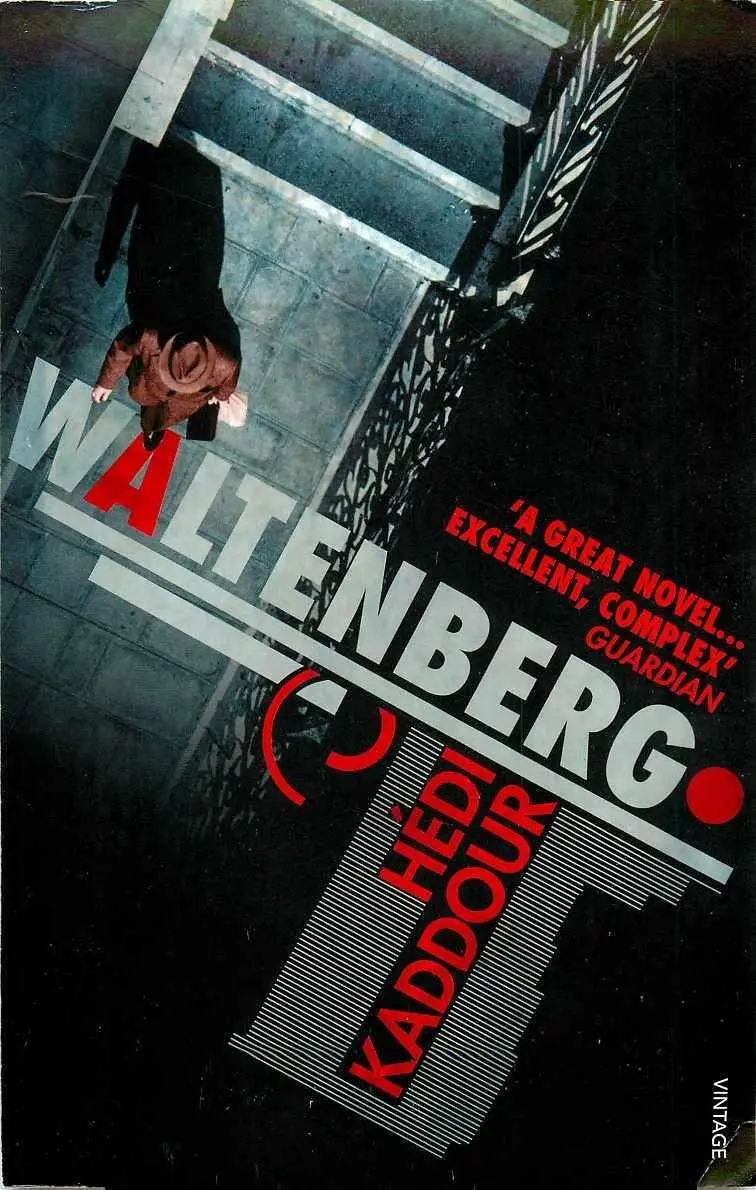
- Название:Waltenberg
- Автор:
- Издательство:Vintage
- Жанр:
- Год:2009
- ISBN:нет данных
- Рейтинг книги:3 / 5. Голосов: 1
-
Избранное:Добавить в избранное
- Отзывы:
-
Ваша оценка:
Waltenberg: краткое содержание, описание и аннотация
Предлагаем к чтению аннотацию, описание, краткое содержание или предисловие (зависит от того, что написал сам автор книги «Waltenberg»). Если вы не нашли необходимую информацию о книге — напишите в комментариях, мы постараемся отыскать её.
Waltenberg
Waltenberg — читать онлайн бесплатно полную книгу (весь текст) целиком
Ниже представлен текст книги, разбитый по страницам. Система сохранения места последней прочитанной страницы, позволяет с удобством читать онлайн бесплатно книгу «Waltenberg», без необходимости каждый раз заново искать на чём Вы остановились. Поставьте закладку, и сможете в любой момент перейти на страницу, на которой закончили чтение.
Интервал:
Закладка:
‘And the books about botany, Max, do you remember the books about botany? And bound sets of L’Illustration and the Neue Zürcher Zeitung. It was so restful, and how about the piano? The grand piano on the small stage? The room with the red and gold easy chairs, a dark brown piano, marquetry also, always well-tuned.’
Max has sneered at Lilstein’s nostalgia for bourgeois values, the comfort of the privileged. Lilstein protested, library, piano, old armchairs, no one rates that kind of privilege any more, the privileged now have different tastes, they want loudspeakers and screens, things you have less need to learn, they finance them, they sell them to the masses and they borrow them back from the masses, it promotes the idea that privilege is no more, they no longer need long novels, engravings, teak, the piano, all that, and icing sugar on bilberry tart will become a thing of the past.
‘Look, Max, here they’ve kept just one piece of furniture to give the impression of a library but it’s pathetic, I had a look, full of drivel, large-print, conspicuous by its absence is anything literary, Reader’s Digest, would you believe, a library that contains no literature, a brand of literature which has been stripped of literature so that a place for it will be found in libraries where there’ll be no literature.’
‘Misha, don’t they ever censor literature where you come from?’
After a few minutes, a waiter comes round, he has nodded discreetly to Max and Lilstein, he stares at the board, the sugar which the head waiter had poured has been absorbed by the bilberries, the waiter now sprinkles the tart generously, six waiters in the room, each as scrupulous as the next and all enthusiastic sugar-sprinklers, six turns with the sugar-shaker in a few minutes, when the head waiter recommended his bilberry tart after giving it one last sprinkle Lilstein declined, the head waiter suggested the Linzer but I don’t see why I should order a portion of Linzer from oiks who sabotage their bilberries.
Max and Lilstein have not spoken any more about Hans, Max was not keen, Lilstein did not push it, they changed the subject, Max hasn’t asked questions about the expulsion of dissidents and the interest-free loans, no doubt because he already knew all he wanted to, really they talked only of Lena, plus a little about the death of Stalin, because of Beria, Max insisted on telling Lilstein the tale of Stalin’s death and Lilstein felt like letting him talk, not because Max was about to tell him anything new but because he thought it might be interesting to see if Max believed he was telling him something he didn’t know, and also because if Max was willing to hold forth best let him get on with it so that maybe later on he’d be as forthcoming about Lena.
To this extent you might think that it was Lilstein who made Max talk but Max needed no urging, he’d never said a word about her to anyone, he talked to Lilstein because first, Lilstein agreed to hear part of the death of Stalin, second because Lilstein asked him to talk about Lena and also to allow what happened a chance of surviving the all-consuming dust.
Max filled Lilstein in on what he did not know about the final evenings of the ’29 Waltenberg Seminar, they completed their memories, for Lilstein also told the story of his outing on skis with Lena.
‘When we got back, I threw a snowball at her, I ran off, she ran after me, I fell over.’
Max listened, they recalled Lena’s tangos, the dancing parties. With such a large gathering of older people you might have expected the evening entertainment to be fairly sedate, but there were also a lot of young people, at least in the audience at discussions, La Valréas insisted on it, she wanted the best students in Europe, she paid all their expenses, including evening dress, there were also hotel guests who were there for the skiing, at least a good hundred of these, sporty types, quite a few Americans, amusing to see the evening abruptly overrun by all these people looking as if they had just stepped straight out of a cinema screen, the dresses of some of the European women suddenly became unwearable.
The American women laughed loudly, smoked, drank, skittered, kissed, skipped, bare arms, bare backs, throats, breasts, napes of necks, knees exposed to the universal gaze, beautiful faces, fresh and pink, blackheadless nostrils, and every hairstyle had its finery, its headband of cloth, velvet, satin, the fabric acting as a setting for small clusters of precious stones or gold or silver medallions, and used also to anchor a feather, they had long cigarette-holders and strings of pearls hanging down to their waists, short hair showing the back of the neck, bare shoulder-blades, straight barrel-line dresses, tubular frocks, very simple, soft material, flare-effect panels low down, the material tight across the hips but fitting more loosely thereafter to allow full play to the flare, the whole lower section of the dress whirling in the gyrations of the dance, whipping the air, rising as they whirled, allowing a glimpse of a flesh-coloured petticoat and the tops of stockings held up by flesh-coloured garters.
Dresses without gathers or pleats, green, golden-yellow or saffron, champagne, Veronese, the occasional gilt hat, no brim, darker-coloured stockings, maroon or grey, or misty blue, couples suddenly grown more serious, left arm of the man and right arm of his partner pointing horizontally towards a distant horizon on which eyes are fastened, affected stiffness, caricatured gravity displayed by some, tango for trumpets, clarinets, double-bass, drums, young women rushing on to the dance floor with a gusto which consigned to the dustbin all theories concerning neurasthenia in the modern world, in a rout of dance steps, fox-trot, charleston, scornful glances from spectators, sometimes hate, people who’d come along only to feel the desire to destroy the whole lot of them, to see they got their comeuppance some day, then they went away, leaving the others to enjoy a medley of dances, women humming, crooning ‘Don’t Cry Baby’ or ‘Mí Noche Triste’ to some spring-heeled sure-footed dancer, head thrown back or a sudden look straight into the eyes of another man, drinking and laughing and glass held out on the side of the dance floor, the evening turning into folly after the twelve strokes, one single thought, dresses clinging to body, flared for the legs, garish petticoats, shoes with straps, high heels, dazzling gems, very long necklaces, coiled several times, worn round the neck, and those young women know how to shake a leg, they are as hard as champions and when they laugh they throw back their heads and show all their teeth, Aristide Briand watching, he was born during the Second Empire, makes an observation about ‘breasts for lean times’ but goes on watching the women with very long false eyelashes, plucked eyebrows, redrawn in pencil, bright red lipsticked lips, dark foundation, violet nails, glossy pearl-fringed cloche hat, blue-grey, eyes upturned under it, occasional outburst, out of the question that I should let him, woman butting in on the conversation of two people, I’m going to whisk him away but I shall let you have him back in just a jiffy, you won’t have time to grow one minute older, imitation feather fan, orange and beige cameo, gold lamé here and there, and a boa for the women staying in the annexe, the annexe apparently less prestigious, but much more comfortable, ultramodern bathrooms, telephones less temperamental, V-shaped necklines, edged with small sparkling stones, hair flaunting a kiss-curl, fox-trot, quick tempo, steps you dance in sequence, strict tempo, steps you improvise, feet thrashing, whirling, crossing, fox-trot and its less hurried variant, the slow foxtrot, glissé, cake-walk, movements weird and bodies contorted, give a cake to the black slave who walks the most complicated dance, body extravagantly arched backwards, arms out, advance raising the knees as high as they will go, dress which shucks down on uneven tasselled fringes and which a twitch of the hips sends shooting back up again, beyond the bounds of possibility, in the carefree unconcern of the music.
Читать дальшеИнтервал:
Закладка:
Похожие книги на «Waltenberg»
Представляем Вашему вниманию похожие книги на «Waltenberg» списком для выбора. Мы отобрали схожую по названию и смыслу литературу в надежде предоставить читателям больше вариантов отыскать новые, интересные, ещё непрочитанные произведения.





Обсуждение, отзывы о книге «Waltenberg» и просто собственные мнения читателей. Оставьте ваши комментарии, напишите, что Вы думаете о произведении, его смысле или главных героях. Укажите что конкретно понравилось, а что нет, и почему Вы так считаете.