Amy Greene - Long Man
Здесь есть возможность читать онлайн «Amy Greene - Long Man» весь текст электронной книги совершенно бесплатно (целиком полную версию без сокращений). В некоторых случаях можно слушать аудио, скачать через торрент в формате fb2 и присутствует краткое содержание. Год выпуска: 2014, Издательство: Knopf, Жанр: Современная проза, на английском языке. Описание произведения, (предисловие) а так же отзывы посетителей доступны на портале библиотеки ЛибКат.
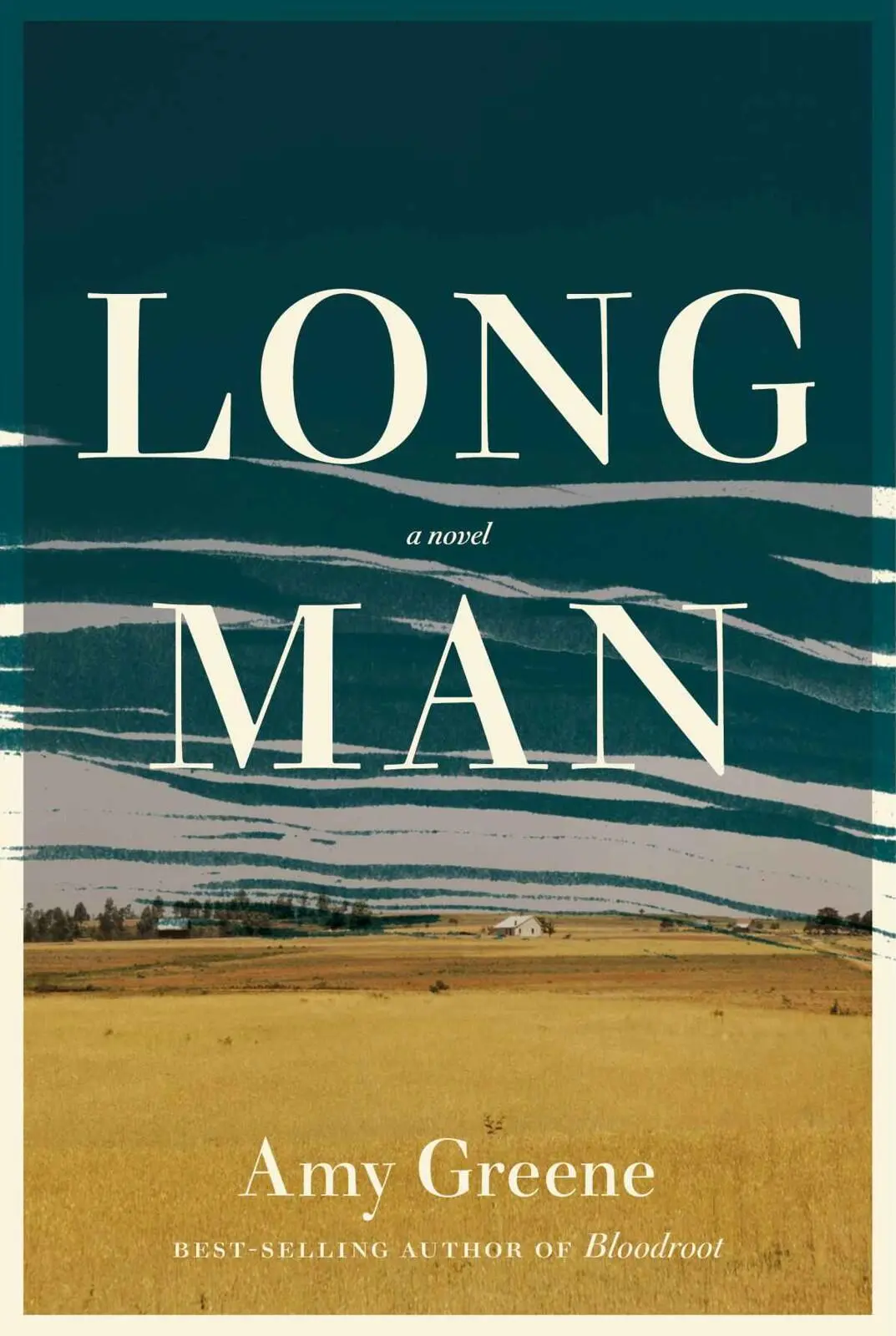
- Название:Long Man
- Автор:
- Издательство:Knopf
- Жанр:
- Год:2014
- ISBN:нет данных
- Рейтинг книги:5 / 5. Голосов: 1
-
Избранное:Добавить в избранное
- Отзывы:
-
Ваша оценка:
Long Man: краткое содержание, описание и аннотация
Предлагаем к чтению аннотацию, описание, краткое содержание или предисловие (зависит от того, что написал сам автор книги «Long Man»). Если вы не нашли необходимую информацию о книге — напишите в комментариях, мы постараемся отыскать её.
Long Man — читать онлайн бесплатно полную книгу (весь текст) целиком
Ниже представлен текст книги, разбитый по страницам. Система сохранения места последней прочитанной страницы, позволяет с удобством читать онлайн бесплатно книгу «Long Man», без необходимости каждый раз заново искать на чём Вы остановились. Поставьте закладку, и сможете в любой момент перейти на страницу, на которой закончили чтение.
Интервал:
Закладка:
In Knoxville the morning was fair and bright, the car already heating up. The city had always seemed like a different world to Ellard. Now it had its own weather, not thirty miles north of his drowning town. Earlier when it was still darkish he had come through the fog that blanketed Yuneetah, watching as the clouds massed over the wooded hills receded in his rearview mirror, his tires slinging orange clay as they turned off the dirt byways onto blacktop. The sun had risen higher as Ellard passed under the arched girders of the steel bridge on the way into the city, crossing over a different river than what he knew, this one floating barges and steamboats on to Chattanooga. Leaving behind the pickup trucks and mule-drawn carts of the countryside and joining the faster traffic of the highway, the smells through his open window changing from wet farmland and rich manure to factory smoke and gasoline. Part of Ellard was relieved to be escaping, but he was ill with worry over what was happening in his absence.
As Ellard sat waiting for Washburn his head swam with all that had passed the night before. He and James had gone first across the road into the Hankins pasture, down to the uneven shoreline of the reservoir. They had split up, James heading left with a group of Whitehall County men toward where the field was bordered by a stand of loblolly pines. Ellard had gone to the opposite end where a dense thicket crowded against the barbwire. Before climbing over the fence he’d held his lantern across and seen light reflected on water. It was hard to say how deep it would be in some places. If Gracie had ventured in too far, the ground might have dropped from beneath her. But he would rather the lake have taken the child than Amos. Ellard had crossed the fence and spent close to an hour crashing through the overgrowth in the dark, burrs catching in his cuffs and shale wedging in his boot treads. He had pushed into the hemlocks as far as the water reached, shining his light into spidery tree holes and beating at drifts of forage with a branch, plunging his fingers into root tangles groping for the touch of hair or flesh or bone. Looking for Amos and Gracie Dodson both, his hand going to his revolver each time the brush crackled.
When the search in the pasture yielded nothing James had gone with the men from Whitehall County to round up as many as they could from the coves and hollows above the taking line while Ellard stayed at the courthouse on the shortwave, calling for assistance. So far only a handful had showed up from surrounding counties and the state police were dragging their feet. He couldn’t help thinking a missing child from somewhere else might warrant more attention. Yuneetah had never been of much concern to outsiders, even before it was evacuated. Most anything Ellard asked of the higher-ups was years in coming, if it came at all. He had learned to make do with his piddling salary, his rooms at the courthouse and the use of this car, a humped-trunk Ford sedan with a black top and gold stars painted on the doors. But now Ellard cursed his lack of resources. He guessed he should be thankful anybody had come at all. He’d feared the townspeople wouldn’t return if they believed Gracie Dodson was dead, having watched enough of what they loved disappear. He had been relieved to see at least a few of his old neighbors among the other searchers gathered at the courthouse around midnight, standing in the lamplit entrance hall as Ellard gave them instructions. James Dodson had been there looking addled with his eyes roving over the pressed-tin ceiling, the fly-specked plaster walls, the high windows darted and dashed with raindrops. Ellard had told the searchers to sweep in lines through meadows and woods, to enter each vacant building and house. He’d advised them to spread out, to be slow and deliberate.
Around dawn there had still been no trace of Gracie or Amos found, but there was a commotion on the riverbank. Ellard was organizing a group of fishermen with musseling boats to drag the lake when he heard the shouting. By the time he reached the other men upriver the ruckus had settled down. He came upon them bent over something at the edge of the lapping water, a hilly form lying on its side and drifted around with debris. At first sight he thought of Gracie’s coonhound. It was about the size of a large dog and resembled Rusty from a distance. James had told Ellard last night as they searched along the reservoir that his daughter would have followed that dog anywhere. If this was the hound that had gone missing with the child, she wouldn’t be far behind. But moving closer he saw that it had golden fur and a long tail, outstretched forelegs ending in big paws. It was a panther, with one marble eye shut and one open, its tongue hanging between ivoried teeth. Even in death, it had a sinuous beauty. Ellard toed its haunches. He knelt to look for buckshot, musk rising from its soggy hide into his nose, but the panther was unmarked. He had come across all manner of drowned animal. Moles, possums, groundhogs. But nothing like this. It troubled his mind.
Then Annie Clyde Dodson came stumbling along the river as he was rolling the panther in a tarp. Ellard froze, watching as she ran down the slick bank. It was only when she fell that he and the other men rushed to her side. They tried to help her up but she shook them off, her dress front heavy with mud. She went to the tarp and dropped on her knees, pulling a flap back. She stared down for a long time. When one of the men made as if to cover the stinking corpse Ellard stopped him. They allowed Annie Clyde to look until she was satisfied, the babbling river filling their silence. When she stirred at last they all scrambled again to help her to her feet. Ellard asked if he could take her home but she turned and went off on unsteady legs into the trees without him. He started after her but didn’t know in the end what she might do if he interfered. He’d told the constable before heading for Knoxville to keep an eye on her.
Now he felt like he had been away from Yuneetah too long. He began to regret his decision to come this far from home. He pulled out his pocket watch and shoved it back in his coat. He was considering going inside without Washburn when he heard the rap of knuckles against the glass at his ear. He dropped the stub of his cigarette into his lap and then flicked it out the window crack. Washburn stood back waiting as Ellard brushed the ash from his trousers and opened the door to get out. He was a handsome but solemn young man with startling blue eyes and dark blond hair slicked under a fedora. Their paths had crossed more than once in their effort to relocate the people of Yuneetah. In two years, Ellard hadn’t seen Washburn’s tie crooked or his shoes unpolished. He always smelled of pomade and aftershave, though he didn’t look old enough to grow whiskers. When Washburn offered his hand, their last meeting came back to Ellard. A month ago they had spoken in Ellard’s office about Annie Clyde Dodson. Ellard supposed they had known then it could come to something like this.
“Are you ready to go in?” Washburn asked.
“As I’ll ever be,” Ellard said.
He followed Washburn up the steps under the columned portico and into the lobby, their heels ringing as they passed a crowd of potential hires waiting outside the employment office. They rode up in the elevator to the third floor and went down a hallway, clacking typewriters behind the closed doors. At the end of the hall they were ushered by a secretary into the office of a man named Clarence Harville. The room had a low ceiling and one window with a half-pulled shade, showing a glimpse of the Tennessee Theatre sign across the street. Under the window there was an oak desk and beside it a row of filing cabinets. Against another wall were shelves stacked with ledgers and boxes of supplies. Ellard’s eyes moved over these things without seeing them. He and Washburn sat in silence as Harville spoke to someone outside the office door, wavy shapes behind patterned glass. When he came in at last, a dour old man in a tailored suit and round spectacles, Washburn and Ellard stood. “I’ve already kept you gentlemen too long,” Harville said, taking a seat behind his desk. “So I’ll get to the point. You both know as well as I do this could have been prevented.”
Читать дальшеИнтервал:
Закладка:
Похожие книги на «Long Man»
Представляем Вашему вниманию похожие книги на «Long Man» списком для выбора. Мы отобрали схожую по названию и смыслу литературу в надежде предоставить читателям больше вариантов отыскать новые, интересные, ещё непрочитанные произведения.









Обсуждение, отзывы о книге «Long Man» и просто собственные мнения читателей. Оставьте ваши комментарии, напишите, что Вы думаете о произведении, его смысле или главных героях. Укажите что конкретно понравилось, а что нет, и почему Вы так считаете.