Amy Greene - Long Man
Здесь есть возможность читать онлайн «Amy Greene - Long Man» весь текст электронной книги совершенно бесплатно (целиком полную версию без сокращений). В некоторых случаях можно слушать аудио, скачать через торрент в формате fb2 и присутствует краткое содержание. Год выпуска: 2014, Издательство: Knopf, Жанр: Современная проза, на английском языке. Описание произведения, (предисловие) а так же отзывы посетителей доступны на портале библиотеки ЛибКат.
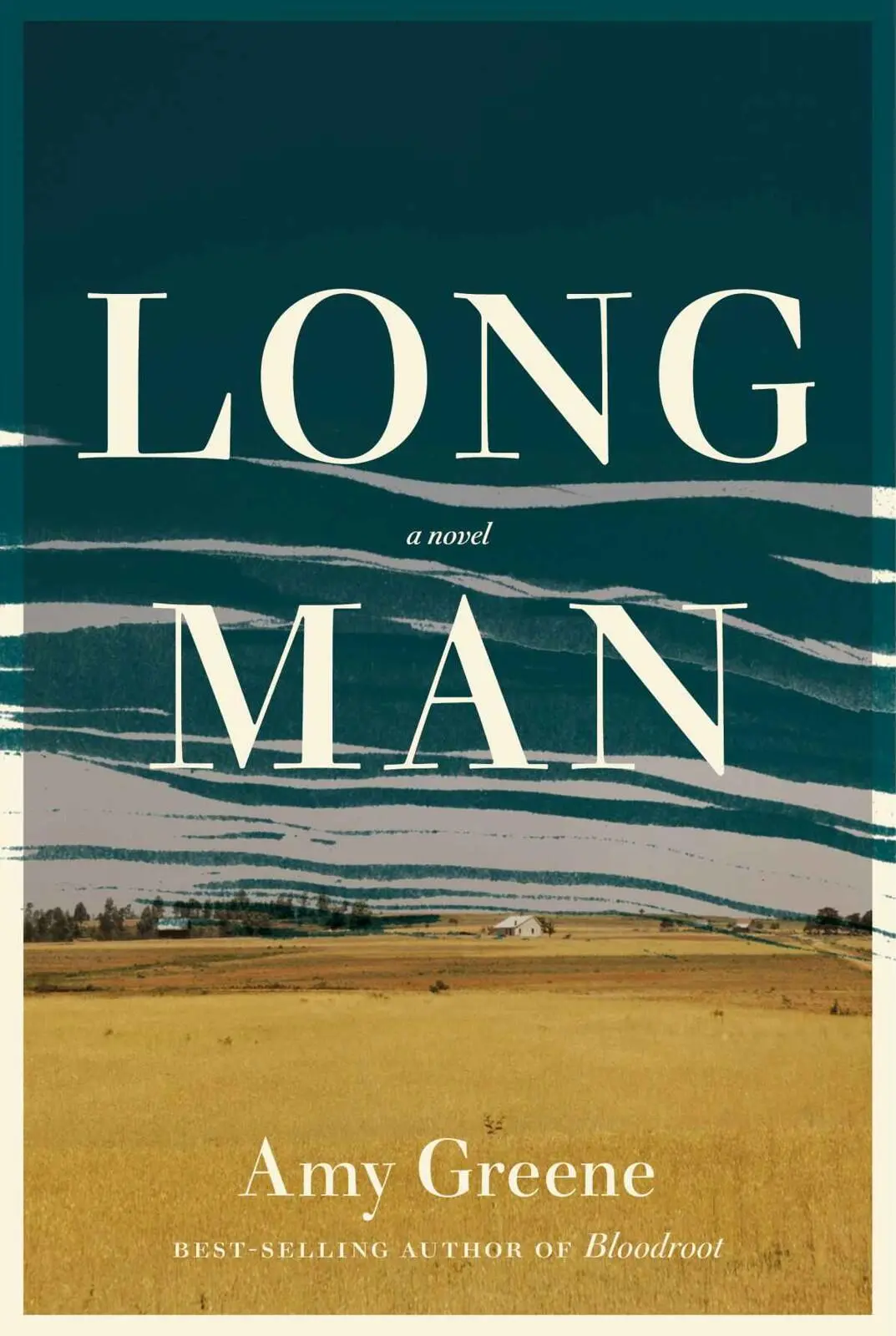
- Название:Long Man
- Автор:
- Издательство:Knopf
- Жанр:
- Год:2014
- ISBN:нет данных
- Рейтинг книги:5 / 5. Голосов: 1
-
Избранное:Добавить в избранное
- Отзывы:
-
Ваша оценка:
Long Man: краткое содержание, описание и аннотация
Предлагаем к чтению аннотацию, описание, краткое содержание или предисловие (зависит от того, что написал сам автор книги «Long Man»). Если вы не нашли необходимую информацию о книге — напишите в комментариях, мы постараемся отыскать её.
Long Man — читать онлайн бесплатно полную книгу (весь текст) целиком
Ниже представлен текст книги, разбитый по страницам. Система сохранения места последней прочитанной страницы, позволяет с удобством читать онлайн бесплатно книгу «Long Man», без необходимости каждый раз заново искать на чём Вы остановились. Поставьте закладку, и сможете в любой момент перейти на страницу, на которой закончили чтение.
Интервал:
Закладка:
Amos had seen the drowned himself and chose not to picture Gracie Dodson that way. He thought of how she had looked in the cornfield instead, standing between the rows with seedpods in her curls like those he shook from his own hair after sleeping on the ground. If they found her alive they would likely take her up north, where no corn was growing. Many of the displaced were heading to the cities. Amos hated the smog, the heat shimmering off the streets. He hated the neighborhoods with neat bungalows lining the gaslit curbs, yapping dogs snapping at him through the pickets and gates of fenced yards. He liked knowing whether those inside did or not that he was trespassing where he wasn’t wanted. Sometimes he waited for them to part their window curtains and see him standing on their flagstone walks. He always left something behind for them to find in the morning, a cigarette butt floating in a birdbath or a heel print at the edge of a flower bed. He didn’t want to think of the little girl from the cornfield growing up somewhere like that. If they had her back they would just make her over in their own image, raise her up in their ways and marry her off to a man who gave orders from behind a desk. Amos thought it might be for the best if they never found her. Best if she was returned to the earth.
Amos knew there were ways to use this distraction to his advantage. It was bound to cause problems for the power company. But he put the notion aside for the time being. Annie Clyde Dodson was looking for her daughter. He was looking for something to break a lock. His mind turned back to the dam and the task at hand. He pushed on deeper into the hollow until he reached the clearing where Beulah’s cabin stood, approaching from the back of the lot. He would have followed the path his boots had worn to her door over the years and asked for a bite of breakfast, but he didn’t want to cause the old woman any trouble. Maybe there would be time to pay her a visit later. For now, he only needed to visit her shed. Hurrying for cover, he went past the ordered rows of the garden and the bagging wire of the goat pen. When he got to the shed he found the plank door open a crack and forced it the rest of the way. He stood in the weak light falling through the door and searched the shadows, cloying with mold and corroding tin. He and Beulah had built the shed for storing tools, seeds and grain. Over the years it had grown full and junk had accumulated out behind the cabin. Somewhere Beulah had a bolt cropper. He knew because he’d used it himself for cutting wire mesh when they built the henhouse. His eye scanned the boards of the wall where Beulah had hung her gardening shears, her mule bridles, her rusty machete. When he spied the long bolt cropper hanging from a tenpenny nail he slipped it down at his side. Then he stopped cold, still facing the wall. He could feel someone standing behind him. With sudden speed, he snatched the machete off the wall with his other hand and turned around. Beulah was there just inside the shed door, a head scarf tied under her chin against the weather. They regarded each other for a moment. She looked the same as ever, hair in a yellowed braid over her shoulder and the pouch on a string around her neck. After a while, she took off her pointed glasses to wipe the raindrops from the lenses. “Hidee, Amos,” she said.
“Hello, Beulah,” he said back.
“What are you looking for?”
Amos held up the machete. “Bluff’s too wet. I’ll have to cut through the thicket.”
Beulah put her glasses back on. “Your place might be flooded. You think of that?”
Amos smiled. “What are you doing out here?”
“Fixing to check my traps.”
He noticed the burlap sack she was holding. At first she’d seemed unchanged, but looking closer he saw a difference. Her hand was shaking, her eyes dull, her dress stained. It wasn’t just Yuneetah that had seen its last days. “Don’t look like you been catching anything,” he said.
She took a step closer, sizing him up. “You’re one to talk.”
Amos smiled again. “I’ve been eating.”
“What, pine needles? You can’t live on that. A man needs meat.”
“I get some every once in a while.”
“Well. I wish I could offer you some breakfast.”
“I know,” he said. “Another time.”
Beulah nodded. “You better clear out.”
“I will tomorrow.”
“Why not today?”
He didn’t answer.
“What do you need with them bolt croppers anyhow?”
After a pause he said, “I better not tell you.”
“Amos,” she said. “I got an awful feeling.”
He smirked. “Bones been talking to you?”
“I ain’t kidding. I believe there’s fixing to be bloodshed. I just don’t want it to be yourn.”
“I’ll risk it.”
“Huh. You wouldn’t risk your own hide for nothing.”
“Things change,” he said.
“Yes,” she said. “Nothing wrong with change.”
“But there’s something wrong with those that have taking away from those that don’t.”
“Well. There’s the right way to stand against something and the wrong way.”
“Who gets to decide what the right way is, Beulah?”
Her mouth folded over her gums. “I never could tell you nothing.”
He turned the machete over, inspecting the blade. “You believe in gods.”
“I believe in one God.”
“All right. What if God took that child they’re looking for as a punishment?”
Beulah’s brow creased. “Who, Gracie? That innocent little girl?”
“For messing with Him.”
“It don’t work that way. The Lord won’t take a child away from her mama over a dam.”
Amos looked up. “Yeah, well. Maybe He’ll give her back if the dam goes away.”
Beulah shook her head. They studied each other.
“If I make it out of here I won’t be back,” he said.
“Why in the world not?” she asked. “This place is your home.”
“If the government has their way, this place is about to be gone.”
“Even if it’s covered up, it’ll still be here.”
He gestured with the machete. “Look around. Nothing left here but hard times.”
“Amos,” Beulah said. “It don’t matter what’s built or tore down by a man’s hands. The Lord’s in charge. Sure as the river keeps on running, good times will come back around.”
Amos grinned. “Maybe you ought to ask your bones if you’ve got it right or not.”
She smiled back a little. “You better watch that smart lip.”
“I better get out of sight,” he said. “Fog’s burning off.”
She held out the burlap sack, bloodied by the rabbits, coons and groundhogs she had snared and carried home to the cabin. “Here,” she said. “See if there’s some meat for your breakfast.” He tucked the bolt cropper under his arm and took the sack. Their fingers touched and he felt a pang of sorrow or love for this old woman he might never lay his one eye on again. He didn’t know why she had always been kind to him. They never spoke of it. She stepped aside and let him pass through the door on his way to the clearing at the foot of the viny bluff.
At a quarter to eight, Sheriff Ellard Moody sat parked at the curb in front of the former Customs House on the corner of Clinch and Market, across from the Tennessee Theatre. He tapped his fingers on the steering wheel as he waited for the caseworker assigned to Yuneetah, Sam Washburn. In the other hand he pinched a cigarette, smoke curling out the window. He peered up through the windshield at the light poles, the power lines crossing over the rooftops. Much had changed since the first time Ellard came into the city with his father, gawping at the tall buildings and the motorcars lining the brick-paved streets, watching the fashionable ladies pass with their hair cut short and marcelled into waves. The Customs House still had the same facade as it did back then, gray marble with cast-iron columns, but it had changed in other ways since the power company took it over for their headquarters. Until 1933 the old building had housed the federal court, the excise offices and the post office. Now it held only the TVA offices. Ellard had made this trip too often in the last couple of years. When the townspeople complained of how they were treated he came here and demanded to see somebody in charge, determined not to let the big government machine forget they were dealing with individuals in Yuneetah. Most of the time he was put off or sent away dissatisfied. This morning at least he was seeing an official, the chief of the Reservoir Family Removal Section.
Читать дальшеИнтервал:
Закладка:
Похожие книги на «Long Man»
Представляем Вашему вниманию похожие книги на «Long Man» списком для выбора. Мы отобрали схожую по названию и смыслу литературу в надежде предоставить читателям больше вариантов отыскать новые, интересные, ещё непрочитанные произведения.












Обсуждение, отзывы о книге «Long Man» и просто собственные мнения читателей. Оставьте ваши комментарии, напишите, что Вы думаете о произведении, его смысле или главных героях. Укажите что конкретно понравилось, а что нет, и почему Вы так считаете.