Stephanie Danler - Sweetbitter
Здесь есть возможность читать онлайн «Stephanie Danler - Sweetbitter» весь текст электронной книги совершенно бесплатно (целиком полную версию без сокращений). В некоторых случаях можно слушать аудио, скачать через торрент в формате fb2 и присутствует краткое содержание. Год выпуска: 2016, Издательство: Knopf, Жанр: Современная проза, на английском языке. Описание произведения, (предисловие) а так же отзывы посетителей доступны на портале библиотеки ЛибКат.
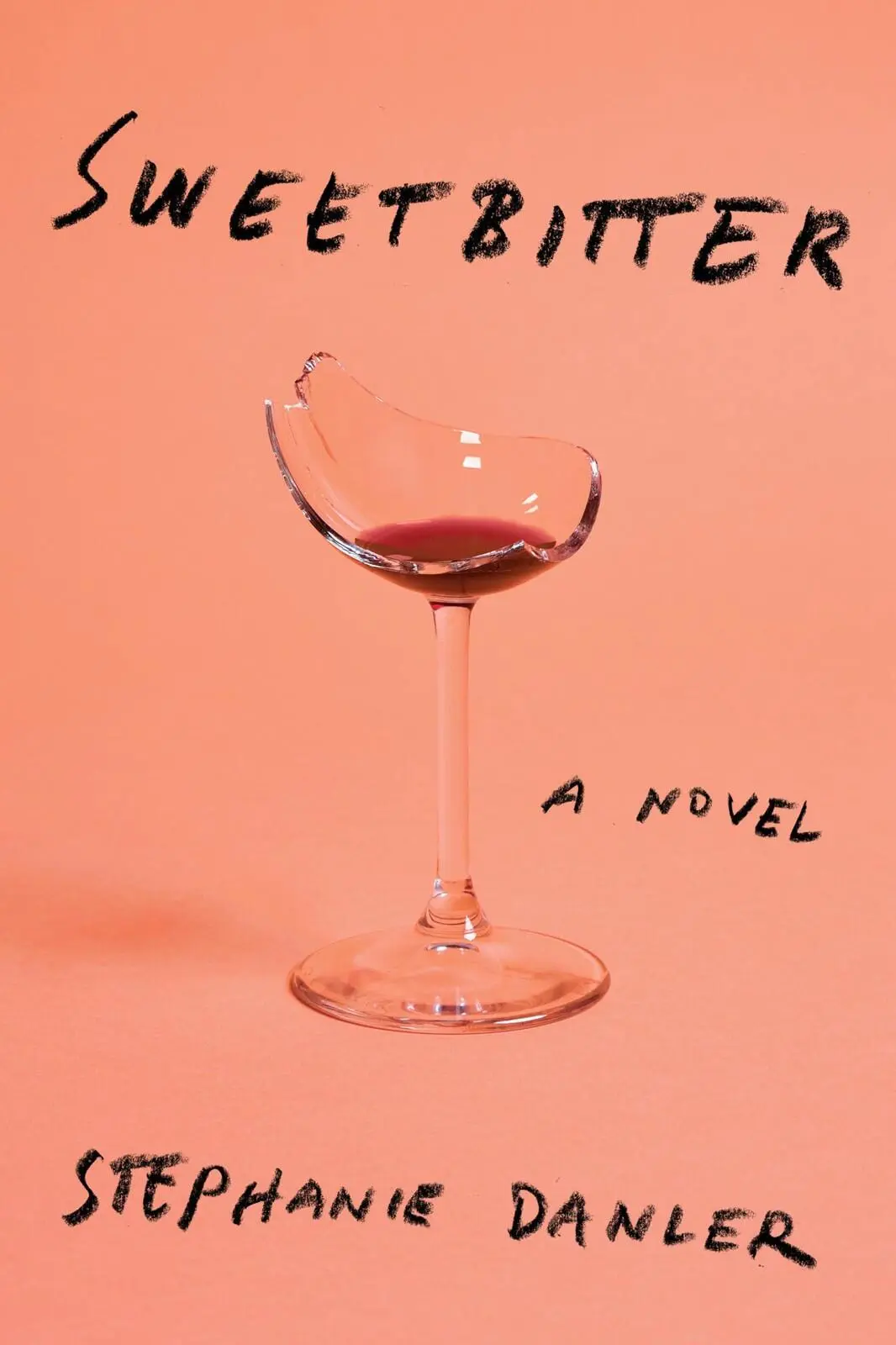
- Название:Sweetbitter
- Автор:
- Издательство:Knopf
- Жанр:
- Год:2016
- ISBN:нет данных
- Рейтинг книги:3 / 5. Голосов: 1
-
Избранное:Добавить в избранное
- Отзывы:
-
Ваша оценка:
Sweetbitter: краткое содержание, описание и аннотация
Предлагаем к чтению аннотацию, описание, краткое содержание или предисловие (зависит от того, что написал сам автор книги «Sweetbitter»). Если вы не нашли необходимую информацию о книге — напишите в комментариях, мы постараемся отыскать её.
off. Her appetites — for food, wine, knowledge, and every kind of experience — are awakened. And she's pulled into the magnetic thrall of two other servers — a handsome bartender she falls hard for, and an older woman she latches onto with an orphan's ardor.
These two and their enigmatic connection to each other will prove to be Tess's hardest lesson of all.
is a story of discovery, enchantment, and the power of what remains after disillusionment.
Sweetbitter — читать онлайн бесплатно полную книгу (весь текст) целиком
Ниже представлен текст книги, разбитый по страницам. Система сохранения места последней прочитанной страницы, позволяет с удобством читать онлайн бесплатно книгу «Sweetbitter», без необходимости каждый раз заново искать на чём Вы остановились. Поставьте закладку, и сможете в любой момент перейти на страницу, на которой закончили чтение.
Интервал:
Закладка:
I set the duck on the counter next to the bread. The grating noise of tickets printing, of plates being thrown around, of pans hitting burners, it all throbbed with my hand. In the locker room I went to the sink and ran lukewarm water on it. The mark was already starting to disappear. I cried and continued crying while I changed out of my uniform. I sat on a chair and tried to calm down before I went back downstairs. Will opened the door.
“I know,” I yelled. “I fucked up. I know.”
“Let me see your hand.”
He crouched next to me. I opened my palm and he put a bar mop filled with ice cubes into it. I started crying again.
“You’re okay, doll.” He patted my shoulder. “Put your stripes on. You can work the dining room.”
I nodded. I put on fresh mascara and went downstairs.
—
THE MEZZ WAS seven two-tops on a balcony over the back dining room. The stairs were narrow, steep, treacherous. “A lawsuit waiting to happen,” they told me. I took them one at a time, up and down, and still soups spilled onto rims, sauces slid.
Heather was Debutante-Smile, and she got in trouble weekly for chewing gum on the floor. She was from Georgia, with a delicate southern accent. They told me she had the highest tip average, and everyone blamed the accent. I thought it might be the gum.
“Sweetness”—she snapped her gum at me—“start the stairs with your left foot when you go down. Lean back.”
I nodded.
“I heard about Chef. It happens.”
I nodded again.
“You know, nobody is from here. We were all new. And like I always say, it’s just dinner.”
—
FROM A SECTION of the handbook I neglected to read: Workers were to receive one complimentary shift drink after they clocked out. Workers were also to receive one complimentary shift coffee per eight-hour shift.
When this translated off the page, quantities increased, entitlement ran rampant. But I didn’t know that yet. They wound us up, they wound us down.
—
“TAKE A SEAT, new girl.”
Nicky was definitely talking to me. I had just clocked out and changed. I was cracking my wrists and heading toward the exit.
It was still a touch early. Cooks were plastic-wrapping the kitchen, servers swiping the final credit cards and waiting in the hutches. The dishwashers piled trash bags at the exit of the kitchen. I saw them peeking out, trembling like sprinters, waiting for the signal that they could take the bags to the curb and go home.
“Where?”
“At the bar.” He wiped down a spot.
Nicky was Clark-Kent-Glasses. He was the first bartender they hired, and they said he’d be there until they shuttered the place. His glasses were often crooked, and at odds with the crookedness of his bow tie. He met his wife at the bar ten years earlier and she still came in and sat in the very same seat on Fridays. I heard he had three kids, but I couldn’t really comprehend it, he seemed half child himself. He had an unpretentiousness and a Long Island accent that had been drawing people to the bar for decades.
“You want me to sit like a regular person?”
“Like a regular old person. What do you want to drink?”
“Um.” I wanted to ask how much a beer cost, I had no idea.
“It’s your shift drink. A little thank-you from the Owner at the end of the night.”
He shook the amber, watery remains from a cocktail shaker into his glass. “Or a big thank-you. What do you like?”
“White wine sounds all right.” I climbed onto a stool. Earlier in the night, midrush, Nicky had asked me if I had any common sense. I thought about it all night. I had no idea what to say to him, especially now that I was stripeless, except, Yes. I think I do have common sense.
“Yeah? Nothing particular?”
“I’m easy.”
“That’s what I like to hear from my backwaiters.”
I blushed.
“Boxler?” he asked, and poured me a taste. I lifted it to my nose and nodded. I was too nervous to actually smell it. He poured me a glass, and I watched as he left his hand there, the wine surging past the pour line we used for guests. The glass now seemed a goblet.
“You did better tonight,” said a voice behind me. Will jumped up onto the bar stool next to me.
“Thank you.” I sipped my wine before I could undo the compliment. The Albert Boxler Riesling, not from Germany, but from Alsace, one of the high-end pours at twenty-six dollars a glass. And I was drinking it. Nicky had served it to me. To thank me. I rolled it through my mouth the way Simone had taught me, pursing my lips and cupping my tongue and almost making an inward whistle. I thought it would be sweet. I thought I tasted honey, or something like peaches. But then it was so dry it felt like someone had pierced me. My mouth watered and I sipped again.
“It’s not sweet,” I said out loud to Nicky and Will. They laughed.
“This is nice,” I said. An hour ago these were incredibly privileged seats, occupied by the kind of people who spent thirty dollars on an ounce of Calvados.
Will had changed his tone with me since my burn. He was careful, or perhaps protective. I thought maybe he wanted to be my friend. He wouldn’t make a terrible first friend. He wore a khaki shirt, reminiscent of safaris. He had a long arrowhead nose and bovine brown eyes. He spoke rapidly, nearly slurring. Those first trails I thought it was because he was in a hurry. Now I saw that he didn’t want to show his teeth. They were square and yellowed, and the front left one was cracked.
He pulled out a cigarette. “Are we all clear?”
“Yes, sir.” Nicky slid him a bread-and-butter plate. I panicked when Will lit up — I barely had memories of a time when you could smoke inside restaurants. He asked if I wanted one. I shook my head. I glued my eyes to the back bar, pretending to be absorbed in the memorization of the Cognac bottles. The two of them traded incomprehensible insults about two baseball teams from the same place.
“You say hi to Jonny tonight?” Nicky polished glasses from a never-ending pile on the bar. They were stationed like soldiers that progressed to the front only to be replaced by more in the back.
“He was here? I missed him.”
“He was next to Sid and Lisa.”
“Christ, those two. I stayed as far away as possible. Remember that Venice-is-an-island argument?”
“I thought he was going to hit her that night.”
“If I was married to that, I’d do worse than hit her.”
I kept an impassive face. They must be talking about their friends.
“What are you drinking, Billy Bob?”
“Can I get a hit of Fernet while I think about it?”
“This. Is. It,” said Ariel, slamming the glass racks down on the corner of the bar. The glasses jangled like bells and her hair flew up.
“You’ve got your hair down already?” Nicky asked. His voice was harsh but his eyes playful.
“Come on, Nick, please, I’m done, you know I’m done. Don’t I look done?” She ran her fingers through her long hair, scratching at the scalp like she was trying to undo a wig. She flipped her hair to one side and leaned over the bar, feet coming off the ground.
“Come on Nick, snip, snip.” She made a scissors motion with her fingers.
Ariel looked like trouble with her hair down. She had gone from quirky to something from the underworld, her hair well past her breasts, kinky from being knotted up all night. Her bangs were flat on her forehead and slashes of liquid eyeliner that once had swung rebelliously away from her lids were now smudged and battered.
During services Ariel worked with the energy of a bird, through a series of chirps, clicking noises, phrases half sung. She became frantic easily and recovered just as easily, whistling.
“Okay, you’re cut, Ari. But I do need two bottles of Rittenhouse and one bottle of Fernet.”
Читать дальшеИнтервал:
Закладка:
Похожие книги на «Sweetbitter»
Представляем Вашему вниманию похожие книги на «Sweetbitter» списком для выбора. Мы отобрали схожую по названию и смыслу литературу в надежде предоставить читателям больше вариантов отыскать новые, интересные, ещё непрочитанные произведения.











Обсуждение, отзывы о книге «Sweetbitter» и просто собственные мнения читателей. Оставьте ваши комментарии, напишите, что Вы думаете о произведении, его смысле или главных героях. Укажите что конкретно понравилось, а что нет, и почему Вы так считаете.