William Maxwell - The Chateau
Здесь есть возможность читать онлайн «William Maxwell - The Chateau» весь текст электронной книги совершенно бесплатно (целиком полную версию без сокращений). В некоторых случаях можно слушать аудио, скачать через торрент в формате fb2 и присутствует краткое содержание. Год выпуска: 2012, Издательство: Vintage, Жанр: Современная проза, на английском языке. Описание произведения, (предисловие) а так же отзывы посетителей доступны на портале библиотеки ЛибКат.
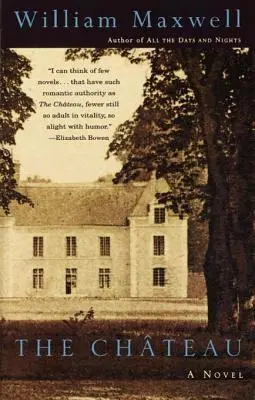
- Название:The Chateau
- Автор:
- Издательство:Vintage
- Жанр:
- Год:2012
- ISBN:нет данных
- Рейтинг книги:4 / 5. Голосов: 1
-
Избранное:Добавить в избранное
- Отзывы:
-
Ваша оценка:
The Chateau: краткое содержание, описание и аннотация
Предлагаем к чтению аннотацию, описание, краткое содержание или предисловие (зависит от того, что написал сам автор книги «The Chateau»). Если вы не нашли необходимую информацию о книге — напишите в комментариях, мы постараемся отыскать её.
The Chateau — читать онлайн бесплатно полную книгу (весь текст) целиком
Ниже представлен текст книги, разбитый по страницам. Система сохранения места последней прочитанной страницы, позволяет с удобством читать онлайн бесплатно книгу «The Chateau», без необходимости каждый раз заново искать на чём Вы остановились. Поставьте закладку, и сможете в любой момент перейти на страницу, на которой закончили чтение.
Интервал:
Закладка:
From time to time, Eugène swam, or Harold and Barbara dived into the deeper pool and swam. But though they were sometimes in the water at the same time, Eugène didn’t swim with them or even exchange remarks with them. Nothing in the world, it seemed—no power of earth, air, or water—could make up to him for the fact that he had had to go to the Allégrets’ dressy party in a tweed jacket.
The sun came and went, behind a thin veil of clouds. Harold was not quite warm. He offered Barbara his towel and she wouldn’t take it, so he sat with it around his shoulders and looked at the people around him and thought that this was a place that, left to himself, he would never have succeeded in imagining, and that the world must be full of such surprises.
Barbara went into the pool once more, and this time Harold stayed behind. Instinct had told him that something was trying to break through Eugène’s studied indifference. Instinct was wrong, apparently. Eugène’s eyes stayed closed, in spite of all there was to stare at, and he said nothing. Barbara came back from the pool, and Harold saw that she was cold and suggested that she go in and dress. “In a minute,” she said. He tried to make her take his bath towel and again she refused. He looked at Eugène and thought: He’s waiting for someone or something .…
Suddenly the eyelids opened. Eugène looked around him mildly and asked: “How well do you know George Ireland?”
“I know his parents very well, George hardly at all,” Harold said. “Why?”
“I thought you might be friends.”
“There is a considerable difference in our ages.”
“Oh?” Eugène said. And then: “Have you had enough swimming, or would you like to stay a little longer? I do not think the sun is coming out any more.”
“It’s up to you,” Harold said. “If you want to stay, we’ll go in and get dressed and wait for you.”
“I am quite ready,” Eugène said.
They drove home to the apartment, and Barbara made lunch for them. They ate sitting around the teacart in the bedroom. Eugène congratulated Barbara on her mastery of the French omelet, and she flushed with pleasure. “It’s the stove,” she said. “They don’t have stoves like that in America.”
The swimming and the food made them drowsy and relaxed. The silences were no longer uncomfortable. Without any animation in his voice, almost as if he were talking about people they didn’t know, Eugène began to talk about Beaumesnil and how important it was that the château remain in the family, at whatever cost. When his daughter came of age and was ready to be introduced to society, the property at Brenodville must be there, a visible part of her background. Seeing it now, he said, they could have no idea of what it was like before the war. He himself had not seen it then, but he had seen other houses like it, and knew, from stories Alix had told him, what it used to be like in her childhood.
The Americans had the feeling, as they excused themselves to dress and keep an appointment with Mme Straus, that Eugène was reluctant to let them go, and would have spent the rest of the day in their company. The last two days he had been quite easy with them, most of the time, but they couldn’t stop thinking that they shouldn’t be here in the apartment at all, feeling the way they did about him. Against their better judgment, they had come here when they knew that they ought to have gone to a hotel. Tempted by the convenience and the space, and by the game of pretending that they were living in Paris, not just tourists, they had stayed on—paying a certain price, naturally. During those times when they were with Eugène, they avoided meeting his eyes, or when they did look directly at him, it was with a carefully prepared caution that demonstrated, alas, how easily he could have got through to them if he had only tried.

AT FIVE O’CLOCK THAT AFTERNOON, while Barbara waited in a taxi, Harold went into the convent in Auteuil and explained to the nun who sat in the concierge’s glass cage that Mme Straus-Muguet was expecting them. He assumed that men were not permitted any farther, and that they would all three go out for tea. The nun got up from her desk and led him down a corridor and into a large room with crimson plush draperies, a black and white marble floor, too many mirrors, and very ugly furniture. There she left him. He stood in the middle of the room and looked all around without finding a single object that suggested Mme Straus’s taste or personality. Surprised, he sat down on a little gilt ballroom chair and waited for her to appear. He felt relieved in one respect; the room was so large that in all probability they didn’t need to worry for fear Mme Straus couldn’t afford to entertain them at an expensive restaurant.
It was at least five minutes before she appeared. She greeted him warmly and, as he started to sit down again, explained that they were going to take tea upstairs in her chamber; this room was the public reception room of the convent. He picked up his hat, went outside, paid the taxi driver, and brought Barbara back in with him. The rest of the building turned out to be bare, underfurnished, and institutional. Mme Straus led them up so many flights of stairs that she had to stop once or twice, gasping, to regain her breath. Harold stopped worrying about her financial condition and began to worry about her heart. It couldn’t be good for a woman of her age to climb so much every day.
“I am very near to heaven,” she said with a wan smile, as they arrived on the top floor of the building. They went down a long corridor to her room, which was barely large enough to accommodate a bed, a desk, a small round table and, crowded in together, three small straight chairs. The window overlooked the convent garden, and opening off the room there was a cabinet de toilette, the walls of which were covered with photographs. Mme Straus opened the door of her clothes closet and brought out a box of pastries. Then she went into the cabinet de toilette and came out with goblets and a bottle of champagne. There being no ice buckets in the convent, she had tried to chill the champagne by setting it in a washbasin of cold water.
They drank to each other, and then Mme Straus, lifting her glass, said: “To your travels!” And then nobody said anything.
Barbara asked the name of a crisp sweet pastry.
“Palmiers,” Mme Straus said—from their palm-leafed shape—and apologized because there were no more of them. She opened a drawer of the desk and brought out two presents wrapped in tissue paper. But before she allowed them to open their gifts, she made Barbara read aloud the note that accompanied them: “Mes amis chéris, before we part I want you to have a souvenir of France and of a new friend, but one who has loved you from the beginning. Jolie Barbara, in wearing these clips give a thought to the one who offers them. Harold, smoke a cigarette each day so that the smoke will come here to rejoin me.”
The Americans were embarrassed by the note and by the fact that they had not thought to bring Mme Straus a present, but she sat back with the innocent complacency of an author who has enjoyed the sound of his own words, and did not appear to find anything lacking to the occasion.
Barbara put the mother-of-pearl clips on her dress, which wasn’t the kind of dress you wear clips with, and so they looked large and conspicuous. Harold emptied a pack of cigarettes into the leather case that was Mme Straus’s gift to him. He never carried a cigarette case, and this one was bulky besides. He hoped his face looked sufficiently pleased.
He and Barbara stood in the door of the cabinet de toilette while Mme Straus showed them the framed photographs on the walls of that tiny room—her dead son, full-faced and smiling; and again with his wife and children; various nieces and goddaughters, including the one they had met the night before; and another, very pretty girl who was a member of the corps de ballet at the Opéra. The last photograph that Mme Straus pointed out was of her daughter, who did not look in the least like her. The old woman said, with her face suddenly grave: “A great egoist! Her heart is closed to all tenderness for her mother. She refuses to see me, and replies to my communications through her lawyer.”
Читать дальшеИнтервал:
Закладка:
Похожие книги на «The Chateau»
Представляем Вашему вниманию похожие книги на «The Chateau» списком для выбора. Мы отобрали схожую по названию и смыслу литературу в надежде предоставить читателям больше вариантов отыскать новые, интересные, ещё непрочитанные произведения.







Обсуждение, отзывы о книге «The Chateau» и просто собственные мнения читателей. Оставьте ваши комментарии, напишите, что Вы думаете о произведении, его смысле или главных героях. Укажите что конкретно понравилось, а что нет, и почему Вы так считаете.