Emma Cline - The Girls
Здесь есть возможность читать онлайн «Emma Cline - The Girls» весь текст электронной книги совершенно бесплатно (целиком полную версию без сокращений). В некоторых случаях можно слушать аудио, скачать через торрент в формате fb2 и присутствует краткое содержание. Год выпуска: 2016, Издательство: Random House, Жанр: Современная проза, на английском языке. Описание произведения, (предисловие) а так же отзывы посетителей доступны на портале библиотеки ЛибКат.
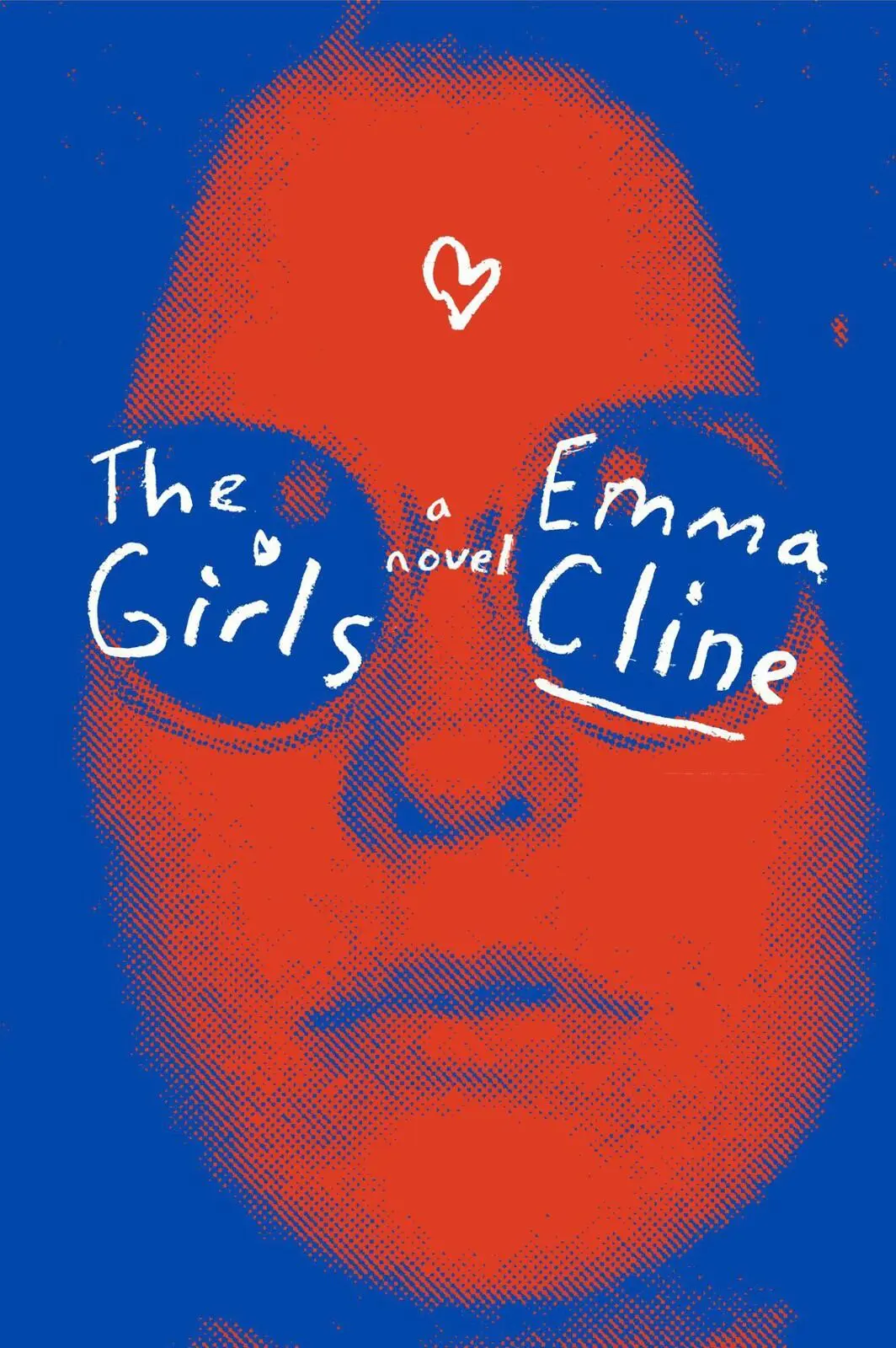
- Название:The Girls
- Автор:
- Издательство:Random House
- Жанр:
- Год:2016
- ISBN:нет данных
- Рейтинг книги:5 / 5. Голосов: 1
-
Избранное:Добавить в избранное
- Отзывы:
-
Ваша оценка:
The Girls: краткое содержание, описание и аннотация
Предлагаем к чтению аннотацию, описание, краткое содержание или предисловие (зависит от того, что написал сам автор книги «The Girls»). Если вы не нашли необходимую информацию о книге — напишите в комментариях, мы постараемся отыскать её.
Northern California, during the violent end of the 1960s. At the start of summer, a lonely and thoughtful teenager, Evie Boyd, sees a group of girls in the park, and is immediately caught by their freedom, their careless dress, their dangerous aura of abandon. Soon, Evie is in thrall to Suzanne, a mesmerizing older girl, and is drawn into the circle of a soon-to-be infamous cult and the man who is its charismatic leader. Hidden in the hills, their sprawling ranch is eerie and run down, but to Evie, it is exotic, thrilling, charged — a place where she feels desperate to be accepted. As she spends more time away from her mother and the rhythms of her daily life, and as her obsession with Suzanne intensifies, Evie does not realize she is coming closer and closer to unthinkable violence, and to that moment in a girl’s life when everything can go horribly wrong.
Emma Cline’s remarkable debut novel is gorgeously written and spellbinding, with razor-sharp precision and startling psychological insight. The Girls is a brilliant work of fiction — and an indelible portrait of girls, and of the women they become.
The Girls — читать онлайн бесплатно полную книгу (весь текст) целиком
Ниже представлен текст книги, разбитый по страницам. Система сохранения места последней прочитанной страницы, позволяет с удобством читать онлайн бесплатно книгу «The Girls», без необходимости каждый раз заново искать на чём Вы остановились. Поставьте закладку, и сможете в любой момент перейти на страницу, на которой закончили чтение.
Интервал:
Закладка:
“It’s ego,” she went on, leaning against the car but keeping a sharp eye on the gas gauge: none of them ever filled up a tank more than a quarter full. “Money is ego, and people won’t give it up. Just want to protect themselves, hold on to it like a blanket. They don’t realize it keeps them slaves. It’s sick.”
She laughed.
“What’s funny is that as soon as you give everything away, as soon as you say, Here, take it — that’s when you really have everything.”
One of the group had been detained for dumpster diving on a garbage run, and Suzanne was incensed, recounting the story as she pulled the car back onto the road.
“More and more stores get wise to it. Bullshit,” she said. “They throw something away and they still want it. That’s America.”
“That is bullshit.” The tone of the word was strange in my mouth.
“We’ll figure something out. Soon.” She glanced in the rearview. “Money’s tight. But you just can’t escape it. You probably don’t know what that’s like.”
She wasn’t sneering, not really — she spoke like she was just stating the truth. Acknowledging reality with an affable shrug. That’s when the idea came to me, fully formed, as if I had thought of it myself. And that’s how it seemed, like the exact solution, a baubled ornament shining within reach.
“I can get some money,” I said, later cringing at my eagerness. “My mom leaves her purse out all the time.”
It was true. I was always coming across money: in drawers, on tables, forgotten by the bathroom sink. I had an allowance, but my mother often gave me more, by accident, or just gestured vaguely in the direction of her purse. “Take what you need,” she’d always said. And I’d never taken more than I should have and was always conscious of returning the change.
“Oh no,” Suzanne said, flicking the last of her cigarette out the window. “You don’t have to do that. You’re a sweet kid, though,” she said. “Nice of you to offer.”
“I want to.”
She pursed her lips, affecting uncertainty, igniting a tilt in my gut.
“I don’t want you to do something you don’t want to.” She laughed a little. “That’s not what I’m about.”
“But I do want to,” I said. “I want to help.”
Suzanne didn’t speak for a minute, then smiled without looking over. “Okay,” she said. I didn’t miss the test in her voice. “You want to help. You can help.”
—
My task made me a spy in my mother’s house, my mother the clueless quarry. I could even apologize for our fight when I ran into her that night across the stillness of the hallway. My mother gave a little shrug but accepted my apology, smiling in a brave way. It would bother me, normally, that wavery brave smile, but the new me bowed my head in abject regret. I was imitating a daughter, acting like a daughter would. Part of me thrilled at the knowledge I held out of her reach, how every time I looked at her or spoke to her, I was lying. The night with Russell, the ranch, the secret space I tended to the side. She could have the husk of my old life, all the dried-up leftovers.
“You’re home so early,” she said. “I thought you might sleep at Connie’s again.”
“I didn’t feel like it.”
It was strange to be reminded of Connie, to jar back to the regular world. I’d been surprised, even, that I could feel the ordinary desire for food. I wanted the world to reorder itself visibly around the change, like a mend marking a tear.
My mother softened. “I’m just glad because I wanted to spend some time with you. Just us. It’s been a while, huh? Maybe I’ll make Stroganoff,” she said. “Or meatballs. What do you think?”
I was suspicious of her offer: she didn’t buy food for the house unless I wrote notes for her to find when she got back from group. And we hadn’t eaten meat in forever. Sal told my mother that to eat meat was to eat fear and that ingesting fear would make you gain weight.
“Meatballs would be good,” I allowed. I didn’t want to notice how happy it made her.
—
My mother turned on the radio in the kitchen, playing the kind of slight, balmy songs that I’d loved as a child. Diamond rings, cool streams, apple trees. If Suzanne or even Connie caught me listening to that sort of music, I’d be embarrassed — it was bland and cheerful and old-fashioned — but I had a grudging, private love of those songs, my mother singing along to the parts she knew. Rosy with theatrical enthusiasm, so it was easy to get caught up in her giddiness. Her posture was shaped by years of horse shows in adolescence, smiling from the backs of sleek Arabians, arena lights catching the crust of rhinestones on her collar. She had been so mysterious to me when I was younger. The shyness I had felt watching her move around the house, shuffling in her night slippers. The drawer of jewelry whose provenance I made her describe, piece by piece, like a poem.
The house was clean, the windows segmenting the dark night, the carpets plush beneath my bare feet. This was the opposite of the ranch, and I sensed I should be guilty — that it was wrong to be comfortable like this, to want to eat this food with my mother in the primness of our tidy kitchen. What were Suzanne and the others doing at that same moment? It was suddenly hard to imagine.
“How’s Connie these days?” she asked, flicking through her handwritten recipe cards.
“Fine.” She probably was. Watching May Lopes’s braces scum up.
“You know,” she said, “she can always come over here. You guys have been spending an awful lot of time at her house lately.”
“Her dad doesn’t care.”
“I miss her,” she said, though my mother had always seemed mystified by Connie, like a barely tolerated maiden aunt. “We should go on a trip to Palm Springs or something.” It was clear she’d been waiting to offer this. “You could invite Connie, if you wanted.”
“I don’t know.” It could be nice. Connie and I shoving each other in the sun-stifled backseat, drinking shakes from the date farm outside Indio.
“Mm,” she murmured. “We could go in the next few weeks. But you know, sweetheart”—a pause. “Frank might come, too.”
“I’m not going on a trip with you and your boyfriend.”
She tried to smile, but I saw that she wasn’t saying everything. The radio was too loud. “Sweetheart,” she started. “How are we ever going to live together—”
“What?” I hated how automatically my voice tilted bratty, cutting any authority.
“Not right away, definitely not.” Her mouth puckered. “But if Frank moves in—”
“I live here, too,” I said. “You were just gonna let him move in one day, without even telling me?”
“You’re fourteen.”
“This is bullshit.”
“Hey! Watch it,” she said, tucking her hands into her armpits. “I don’t know why you’re being so rude, but you need to quit it, and fast.” The nearness of my mother’s pleading face, her naked upset — it stoked a biological disgust for her, like when I smelled the bellow of iron in the bathroom and knew she had her period. “This is a nice thing I’m trying to do,” she said, “inviting your friend along. Can I get a break here?”
I laughed, but it was dripping with the sickness of betrayal. That’s why she’d wanted to make dinner. It was worse now, because I’d been so easily pleased. “Frank’s an asshole.”
Her face flared, but she pushed herself to get calm. “Watch your attitude. This is my life, understand? I’m trying to get just a little bit happy,” she said, “and you need to give me that. Can you give me that?”
She deserved her anemic life, its meager, girlish uncertainties. “Fine,” I said. “Fine. Good luck with Frank.”
Читать дальшеИнтервал:
Закладка:
Похожие книги на «The Girls»
Представляем Вашему вниманию похожие книги на «The Girls» списком для выбора. Мы отобрали схожую по названию и смыслу литературу в надежде предоставить читателям больше вариантов отыскать новые, интересные, ещё непрочитанные произведения.



Обсуждение, отзывы о книге «The Girls» и просто собственные мнения читателей. Оставьте ваши комментарии, напишите, что Вы думаете о произведении, его смысле или главных героях. Укажите что конкретно понравилось, а что нет, и почему Вы так считаете.