Emma Cline - The Girls
Здесь есть возможность читать онлайн «Emma Cline - The Girls» весь текст электронной книги совершенно бесплатно (целиком полную версию без сокращений). В некоторых случаях можно слушать аудио, скачать через торрент в формате fb2 и присутствует краткое содержание. Год выпуска: 2016, Издательство: Random House, Жанр: Современная проза, на английском языке. Описание произведения, (предисловие) а так же отзывы посетителей доступны на портале библиотеки ЛибКат.
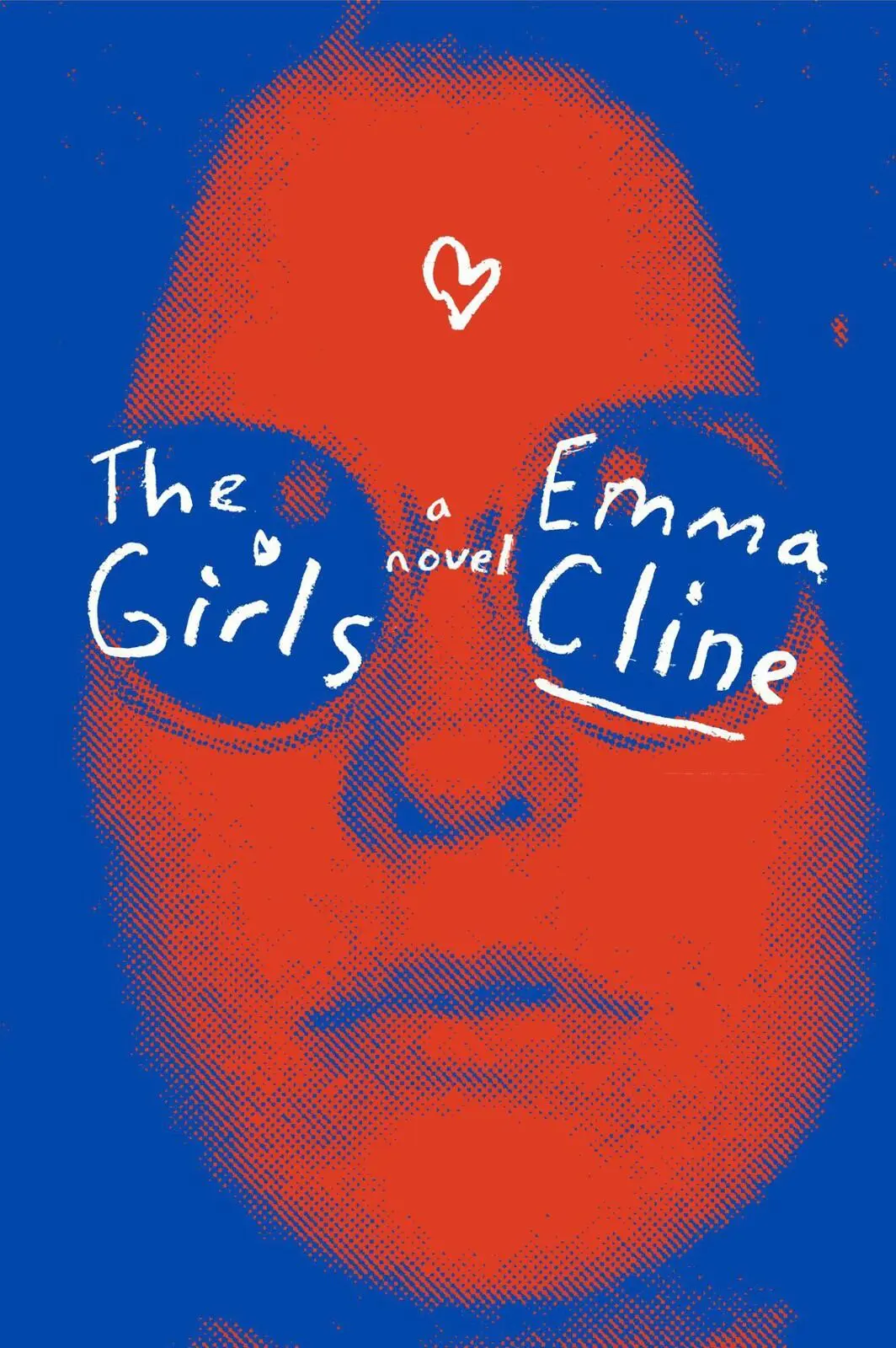
- Название:The Girls
- Автор:
- Издательство:Random House
- Жанр:
- Год:2016
- ISBN:нет данных
- Рейтинг книги:5 / 5. Голосов: 1
-
Избранное:Добавить в избранное
- Отзывы:
-
Ваша оценка:
The Girls: краткое содержание, описание и аннотация
Предлагаем к чтению аннотацию, описание, краткое содержание или предисловие (зависит от того, что написал сам автор книги «The Girls»). Если вы не нашли необходимую информацию о книге — напишите в комментариях, мы постараемся отыскать её.
Northern California, during the violent end of the 1960s. At the start of summer, a lonely and thoughtful teenager, Evie Boyd, sees a group of girls in the park, and is immediately caught by their freedom, their careless dress, their dangerous aura of abandon. Soon, Evie is in thrall to Suzanne, a mesmerizing older girl, and is drawn into the circle of a soon-to-be infamous cult and the man who is its charismatic leader. Hidden in the hills, their sprawling ranch is eerie and run down, but to Evie, it is exotic, thrilling, charged — a place where she feels desperate to be accepted. As she spends more time away from her mother and the rhythms of her daily life, and as her obsession with Suzanne intensifies, Evie does not realize she is coming closer and closer to unthinkable violence, and to that moment in a girl’s life when everything can go horribly wrong.
Emma Cline’s remarkable debut novel is gorgeously written and spellbinding, with razor-sharp precision and startling psychological insight. The Girls is a brilliant work of fiction — and an indelible portrait of girls, and of the women they become.
The Girls — читать онлайн бесплатно полную книгу (весь текст) целиком
Ниже представлен текст книги, разбитый по страницам. Система сохранения места последней прочитанной страницы, позволяет с удобством читать онлайн бесплатно книгу «The Girls», без необходимости каждый раз заново искать на чём Вы остановились. Поставьте закладку, и сможете в любой момент перейти на страницу, на которой закончили чтение.
Интервал:
Закладка:
“There wasn’t anything about you,” Sasha said. “Not that I could find.”
I felt a lurch. I wanted to tell her something valuable, my existence traced with enough care that I would become visible.
“It’s better that way,” I said. “So the lunatics don’t search me out.”
“But you were there?”
“I lived there. Basically. For a while. I didn’t kill anyone or anything.” My laugh came out flat. “Obviously.”
She was huddling into her sweatshirt. “You just left your parents?” Her voice was admiring.
“It was a different time,” I said. “Everyone ran around. My parents were divorced.”
“So are mine,” Sasha said, forgetting to be shy. “And you were my age?”
“A little younger.”
“I bet you were really pretty. I mean, duh, you’re pretty now, too,” she said.
I could see her puff up with her own generosity.
“How’d you even meet them?” Sasha asked.
It took me a moment to gather myself, to remember the sequence of things. “Revisit” is the word they always used in anniversary articles about the murder. “Revisiting the horror of Edgewater Road,” as if the event existed singularly, a box you could close a lid on. As if I hadn’t been stopped by hundreds of ghosted Suzannes on the streets or in the background of movies.
I fielded Sasha’s questions about what they had been like in real life, those people who had become totems of themselves. Guy had been less interesting to the media, just a man doing what men had always done, but the girls were made mythic. Donna was the unattractive one, slow and rough, often cast as a pity case. The hungry harshness in her face. Helen, the former Camp Fire Girl, tan and pigtailed and pretty — she was the fetish object, the pinup murderess. But Suzanne got the worst of it. Depraved. Evil. Her sneaky beauty didn’t photograph well. She looked feral and meager, like she might have existed only to kill.
Talking about Suzanne raised a rev in my chest that I was sure Sasha could see. It seemed shameful. To feel that helpless excitement, considering what had happened. The caretaker on the couch, the coiled casing of his guts exposed to the air. The mother’s hair soaked with gore. The boy so disfigured the police weren’t sure of his gender. Surely Sasha had read about those things, too.
“Did you ever think you could have done what they did?” she asked.
“Of course not,” I said reflexively.
In all the times I had ever told anyone about the ranch, few had ever asked me that question. Whether I could have done it, too. Whether I almost had. Most assumed a base level of morality separated me, as if the girls had been a different species.
Sasha was quiet. Her silence seemed like a kind of love.
“I guess I do wonder, sometimes,” I said. “It seems like an accident that I didn’t.”
“An accident?”
The fire was getting weak and jumpy. “There wasn’t that much difference. Between me and the other girls.”
It was strange to say this aloud. To edge, even vaguely, around the worry I had worked over all this time. Sasha didn’t seem disapproving or even wary. She simply looked at me, her watchful face on mine, as if she could take in my words and make a home for them.
—
We went to the one bar in town that had food. This seemed like a good idea, a goal we could aim toward. Sustenance. Movement. We’d talked until the fire had burned itself into a glowy mottle of newspaper. Sasha kicked sand over the mess, her scout’s diligence making me laugh. I was happy to be with someone, despite the provisional reprieve — Julian would come back, Sasha would be gone, and I’d be alone again. Even so, it was nice to be the subject of someone’s admiration. Because that’s what it was, mostly: Sasha seemed to respect the fourteen-year-old girl I had been, to think I was interesting, had been somehow brave. I tried to correct her, but an expansive comfort had spread in my chest, a reoccupation of my body, like I’d woken from the twilight of pharmaceutical sleep.
We walked side by side on the shoulder of the road, along the aqueduct. The pointed trees were dense and dark, but I didn’t feel afraid. The night had taken on a strange, festive air, and Sasha had started calling me Vee for some reason.
“Mama Vee,” she said.
She seemed like a kitten, affable and mild, her warm shoulder bumping against mine. When I looked over, I saw that she was gnawing at her bottom lip, her face turned to the sky. But there was nothing to see — the stars were hidden by fog.
There were a few stools in the bar and not much else. The usual patchwork of rusted signs, a pair of humming neon eyes over the door. Someone in the kitchen was smoking cigarettes — the sandwich bread was humid with smoke. We stayed awhile after we’d finished eating. Sasha looked fifteen, but they didn’t care. The bartender, a woman in her fifties, seemed grateful for any business. She looked worked over, her hair crispy from drugstore dye. We were almost the same age, but I wouldn’t glance into the mirror to confirm the similarities, not with Sasha beside me. Sasha, whose features had the clean, purified cast of a saint on a religious medal.
Sasha swiveled around on her stool like a young child.
“Look at us.” She laughed. “Partying hard.” She took a drink of beer, then a drink of water, a conscientious habit I’d noticed, though it didn’t prevent a visible slump from taking over. “I’m kind of glad Julian’s not here,” she said.
The words seemed to thrill her. I knew by then not to spook her, but instead to give her space to dawdle toward her actual point. Sasha kicked the bar rail absently, her breath beery and close.
“He didn’t tell me he was leaving,” she said. “For Humboldt.” I pretended surprise. She laughed flatly. “I couldn’t find him this morning and I just thought he was like, outside. That’s kind of weird, right? That he just took off?”
“Yeah, weird.” Too cautious, maybe, but I was wary of inciting a righteous defense of Julian.
“He texted me all sorry. He thought we’d talked about it, I guess.”
She sipped her beer. Drawing a smiley face in the wood of the bar with a wet finger. “You know why he got kicked out of Irvine?” She was half-giddy, half-wary. “Wait,” she said, “you’re not gonna tell his dad, are you?”
I shook my head, an adult willing to keep a teenager’s secrets.
“Okay.” Sasha took a breath. “He had some comp teacher he hated. He was kind of a jerk, I guess. The teacher. He didn’t let Julian turn in this paper late, even though he knew Julian would fail without a grade for it.
“So Julian went to the guy’s house and did something to his dog. Fed him something that made him sick. Like bleach or rat poison, I don’t really know what.” Sasha caught my eye. “The dog died. This old dog.”
I struggled to keep my face even. The plainness of her retelling, devoid of any inflection, made the story worse.
“The school knew he did it, but they couldn’t prove it,” Sasha said. “So they suspended him for other stuff, but he couldn’t go back or anything. It’s messed up.” She looked at me. “I mean, don’t you think?”
I didn’t know what to say.
“He said he didn’t mean to kill it or anything, just make it sick.” Sasha’s tone was tentative, testing out the thought. “That’s not so bad, right?”
“I don’t know,” I said. “It sounds bad to me.”
“But I live with him, you know,” Sasha said. “Like he pays all the rent and stuff.”
“There are always places to go,” I said.
Poor Sasha. Poor girls. The world fattens them on the promise of love. How badly they need it, and how little most of them will ever get. The treacled pop songs, the dresses described in the catalogs with words like “sunset” and “Paris.” Then the dreams are taken away with such violent force; the hand wrenching the buttons of the jeans, nobody looking at the man shouting at his girlfriend on the bus. Sorrow for Sasha locked up my throat.
Читать дальшеИнтервал:
Закладка:
Похожие книги на «The Girls»
Представляем Вашему вниманию похожие книги на «The Girls» списком для выбора. Мы отобрали схожую по названию и смыслу литературу в надежде предоставить читателям больше вариантов отыскать новые, интересные, ещё непрочитанные произведения.






Обсуждение, отзывы о книге «The Girls» и просто собственные мнения читателей. Оставьте ваши комментарии, напишите, что Вы думаете о произведении, его смысле или главных героях. Укажите что конкретно понравилось, а что нет, и почему Вы так считаете.