Джеффри Арчер - The Prodigal Daughter
Здесь есть возможность читать онлайн «Джеффри Арчер - The Prodigal Daughter» весь текст электронной книги совершенно бесплатно (целиком полную версию без сокращений). В некоторых случаях можно слушать аудио, скачать через торрент в формате fb2 и присутствует краткое содержание. Город: London, Год выпуска: 1982, ISBN: 1982, Издательство: Hodder and Stoughton, Жанр: Современная проза, на английском языке. Описание произведения, (предисловие) а так же отзывы посетителей доступны на портале библиотеки ЛибКат.
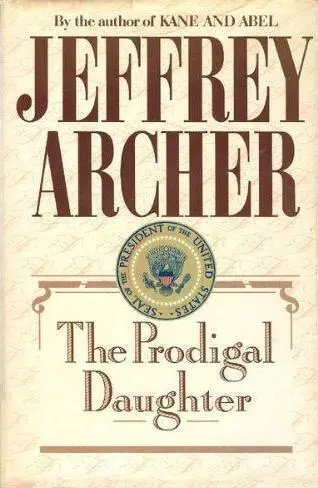
- Название:The Prodigal Daughter
- Автор:
- Издательство:Hodder and Stoughton
- Жанр:
- Год:1982
- Город:London
- ISBN:978-0-340-27687-7
- Рейтинг книги:5 / 5. Голосов: 1
-
Избранное:Добавить в избранное
- Отзывы:
-
Ваша оценка:
The Prodigal Daughter: краткое содержание, описание и аннотация
Предлагаем к чтению аннотацию, описание, краткое содержание или предисловие (зависит от того, что написал сам автор книги «The Prodigal Daughter»). Если вы не нашли необходимую информацию о книге — напишите в комментариях, мы постараемся отыскать её.
Golden boy Richard Kane was born into a life of luxury. The scion of a banking magnate he is successful, handsome, and determined to carve his own path in the world-and to build a future with the woman he loves.
With Florentyna’s ultimate goal only a heartbeat away, both are about to discover the shattering price of power as a titanic battle of betrayal and deception reaches out from the past-a blood feud between two generations that threatens to destroy everything Florentyna and Richard have fought to achieve.
The Prodigal Daughter — читать онлайн бесплатно полную книгу (весь текст) целиком
Ниже представлен текст книги, разбитый по страницам. Система сохранения места последней прочитанной страницы, позволяет с удобством читать онлайн бесплатно книгу «The Prodigal Daughter», без необходимости каждый раз заново искать на чём Вы остановились. Поставьте закладку, и сможете в любой момент перейти на страницу, на которой закончили чтение.
Интервал:
Закладка:
The press praised the President for his initiative and the Washington Post declared that Senator Kane had done more in one year for those in genuine need than the New Deal and the Great Society put together. This was indeed a ‘fresh approach’ Florentyna had to smile. Rumors began to circulate that she would replace Pete Parkin as Vice President when the next election came around. On Monday she was on the cover of Newsweek for the first time and across the bottom ran the words: ‘America’s First Woman Vice President?’ Florentyna was far too shrewd a politician to be fooled by press speculation. She knew that when the time came, the President would stick with Parkin, balance the ticket and be sure of the South. Much as he admired Florentyna, the President wanted another four years in the White House.
Once again, Florentyna’s biggest problem in life was in determining priorities among the many issues and people that competed for her attention. Among the requests from senators to help them with their campaigns was one from Ralph Brooks. Brooks, who never lost the opportunity to describe himself as the state’s senior senator, had recently been appointed chairman of the Senate Energy and Natural Resources Committee, which kept him in the public eye. He had received considerable praise for his handling of the oil tycoons and leaders of big business. Florentyna was aware that he never spoke well of her in private, but when proof of this came back to her, she dismissed it as unimportant. She was surprised, however, when he asked her to share a TV commercial spot with him, saying how well they worked together and stressing how important it was that both Illinois senators be Democratic. After she had been urged to cooperate by the party chairman in Chicago, Florentyna agreed, although she had not spoken to her Senate colleague more than two or three times a month during her entire term in Congress. She hoped her endorsement might patch up their differences. It didn’t. Two years later when she came up for re-election, his support for her was rarely more than a whisper.
As the Presidential election drew nearer, more and more senators seeking re-election asked Florentyna to speak in their behalf. During the last six months of 1988 she rarely spent a weekend at home; even the President invited her to join him in several campaign appearances. He had been delighted by the public reaction to the Kane Commission report on welfare, and he agreed to the one request Florentyna made of him, although he knew that Pete Parkin and Ralph Brooks would be furious when they heard.
Florentyna had had little or no social life since Richard’s death, although she had managed to spend an occasional weekend with William, Joanna and her three-year-old grandson Richard at the Red House on Beacon Hill. Whenever she found a weekend free to be back at the Cape, Annabel would join her.
Edward, who was now chairman of the Baron Group and vice-chairman of Lester’s Bank, reported to her at least once a week, producing results even Richard would have been proud of. On Cape Cod he would join her for golf, but unlike the results of her rounds with Richard, Florentyna always won. Each time she did she would donate her winnings to the local Republican club in Richard’s memory. The local GOP man obligingly recorded the gifts as coming from an anonymous donor because Florentyna’s constituents would have been hard put to understand her reasons for switch-hitting.
Edward left Florentyna in no doubt of his feelings for her and once hesitantly went so far as to propose. Florentyna kissed her closest friend gently on the cheek. ‘I will never marry again,’ she said, ‘but if you ever beat me at a round of golf, I’ll reconsider your offer.’ Edward immediately started taking golf lessons, but Florentyna was always too good for him.
When the press got hold of the news that Senator Kane had been chosen to deliver the keynote speech at the Democratic convention in Detroit, they started writing about her as a possible Presidential candidate in 1992. Edward became excited about these suggestions, but she reminded him that they had also considered forty-three other candidates in the last six months. As the President had predicted, Pete Parkin was livid when the suggestion came up that the keynote speech be delivered by Florentyna but eventually calmed down when he realized that the President had no intention of dropping him from the ticket. It only convinced Florentyna that the Vice President was going to be her biggest rival if she did decide to run in four years’ time.
The President and Pete Parkin were renominated at a dull party convention, with only a handful of dissenters and favorite sons to keep the delegates awake. Florentyna wistfully recalled livelier conventions, such as the GOP’s 1976 melee, during which Nelson Rockefeller had pulled a phone out of the wall in the Kansas City convention hall.
Florentyna’s keynote speech was received by the delegates in decibels fewer only than those accorded the President’s speech of acceptance, and it caused posters and campaign buttons to appear on the final day with the words: ‘Kane for ’92.’ Only in America could ten thousand campaign buttons appear overnight, thought Florentyna, and she took one home for young Richard. Her Presidential campaign was beginning without her even lifting a finger.
During the final weeks before the election, Florentyna traveled to almost as many swing states as the President himself and the press suggested that her unstinting loyalty might well have been a factor in the Democrats’ slim victory. Ralph Brooks was returned to the Senate with a slightly increased majority. It reminded Florentyna that her own re-election to the Senate was now only two years away.
When the first session of the 101st Congress opened, Florentyna found that many of her colleagues in both houses were openly letting her know of their support should she decide to put her name forward for the Presidency. She realized that some of them would be saying exactly the same thing to Pete Parkin, but she made a note of each one and always sent a handwritten letter of thanks the same day.
Her hardest task before facing re-election for the Senate was to steer the new Welfare bill through both houses, and the job took up most of her time. She personally sponsored seven amendments to the bill, principally placing responsibility on the federal government for all costs of creating a nationwide minimum income and a major overhaul of social security. She spent hours badgering, cajoling, coaxing and almost bribing her colleagues until the bill became law. She stood behind the President when he signed the new act in the Rose Garden. Cameras rolled and shutters clicked from the ring of press photographers standing behind a cordoned-off area. It was the greatest single achievement of Florentyna’s political career. The President delivered a self-serving statement and then rose to shake Florentyna’s hand. ‘This is the lady whom we can thank for “The Kane Act,” ’ he said and whispered in her ear, ‘Good thing the VP’s in South America or I would never hear the end of it.’
Press and public alike praised the skill and determination with which Senator Kane had guided the bill through Congress and The New York Times said that if she achieved nothing more in her political career, she would have placed on the books a piece of legislation that would stand the test of time. Under the new law, no one in genuine need would forfeit his rights, while at the other end of the scale, those who played the ‘Welfare Charade’ would now end up behind bars.
As soon as the fuss had blown over, Janet warned Florentyna that she must spend more time in the state now that the election was less than nine months away. Nearly all the senior members of the party offered their services to Florentyna when she came up for re-election, but it was the President who broke into a heavy schedule to support her and drew the biggest crowd when he spoke at the convention hall in Chicago. As they walked up the steps together to the strains of ‘Happy Days Are Here Again’ he whispered, ‘Now I am going to get my revenge for all the flak you’ve given me over the past five years.’
Читать дальшеИнтервал:
Закладка:
Похожие книги на «The Prodigal Daughter»
Представляем Вашему вниманию похожие книги на «The Prodigal Daughter» списком для выбора. Мы отобрали схожую по названию и смыслу литературу в надежде предоставить читателям больше вариантов отыскать новые, интересные, ещё непрочитанные произведения.


![Джеффри Арчер - The Short, the Long and the Tall [С иллюстрациями]](/books/388600/dzheffri-archer-the-short-the-long-and-the-tall-s-thumb.webp)





Обсуждение, отзывы о книге «The Prodigal Daughter» и просто собственные мнения читателей. Оставьте ваши комментарии, напишите, что Вы думаете о произведении, его смысле или главных героях. Укажите что конкретно понравилось, а что нет, и почему Вы так считаете.