Gerald Murnane - Barley Patch
Здесь есть возможность читать онлайн «Gerald Murnane - Barley Patch» весь текст электронной книги совершенно бесплатно (целиком полную версию без сокращений). В некоторых случаях можно слушать аудио, скачать через торрент в формате fb2 и присутствует краткое содержание. Год выпуска: 2011, Издательство: Dalkey Archive Press, Жанр: Современная проза, на английском языке. Описание произведения, (предисловие) а так же отзывы посетителей доступны на портале библиотеки ЛибКат.
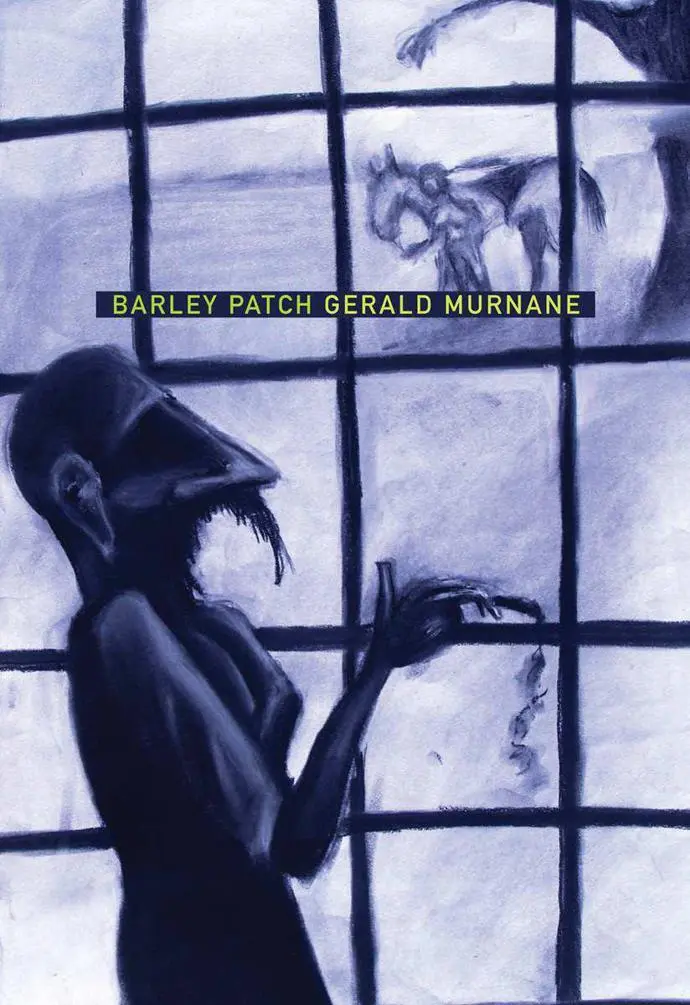
- Название:Barley Patch
- Автор:
- Издательство:Dalkey Archive Press
- Жанр:
- Год:2011
- ISBN:нет данных
- Рейтинг книги:5 / 5. Голосов: 1
-
Избранное:Добавить в избранное
- Отзывы:
-
Ваша оценка:
Barley Patch: краткое содержание, описание и аннотация
Предлагаем к чтению аннотацию, описание, краткое содержание или предисловие (зависит от того, что написал сам автор книги «Barley Patch»). Если вы не нашли необходимую информацию о книге — напишите в комментариях, мы постараемся отыскать её.
Barley Patch — читать онлайн бесплатно полную книгу (весь текст) целиком
Ниже представлен текст книги, разбитый по страницам. Система сохранения места последней прочитанной страницы, позволяет с удобством читать онлайн бесплатно книгу «Barley Patch», без необходимости каждый раз заново искать на чём Вы остановились. Поставьте закладку, и сможете в любой момент перейти на страницу, на которой закончили чтение.
Интервал:
Закладка:
Both the chief character and the daughter, as I intend to call her, were Catholics, to use the language of their time and place. There was no Catholic church or school on the island, and only a few Catholic families. Once each month, a priest came from the mainland and celebrated Mass either in the lounge-room of the farm where the daughter lived or in the mess-hall at the prison-farm. The chief character had never doubted his Catholic faith, as he himself would have put the matter, but he disliked any show of religious zeal or piety. Even so, he had looked with approval at the daughter whenever she had bowed her head and had closed her eyes during each of the Masses that he and she had attended. The occasion when he had looked with the most approval had been that of her returning to her place after she had received Holy Communion, to use the language of those days. As soon as she had returned to her place, the daughter would close her eyes and would then bow her head and cover her face with her hands. Most Catholics of that time made a similar show of reverence after having received Holy Communion, as they would have called it, but the daughter, so the chief character had observed, was always the last person in the congregation to lift her head again and to open her eyes. While he was walking to the back door of the farmhouse soon after he had let loose the pheasants at the edge of the swamp, the chief character kept in mind an image of the daughter with her head bowed and with her face covered by her hands.
Words came easily to the chief character. On some of his many visits, he had talked for an hour and more to the daughter, who had seemed content to listen. On the morning after he had freed the pheasants, the chief character was rather less talkative than usual with the daughter. He tried to work his way by several different routes towards a speech that he had been preparing for a week and more. The chief character was about thirty years of age but he had had few dealings with young women. On the morning in question, he might have been afraid to deliver his prepared speech to the daughter if he had not been able to keep in his mind the image mentioned in the previous paragraph. For as long as he had that image in his mind, the chief character felt confident that the daughter had not yet been courted by any young man.
The chief character delivered the short speech mentioned above, but not until after he had talked to the daughter for perhaps half an hour about matters that he had not intended to talk about during that visit. One of these matters was horse-racing. He had never told the daughter about his betting on horses, but while he was trying to work his way towards his prepared speech, he heard himself telling her that he intended to enjoy in the future only what he called the innocent pleasures of horse-racing: watching each race as a spectacle only; learning the patterns of the jockeys’ silk jackets; trying to imagine the feelings of the owner whose horse, a moment before, had won a so-called classic race, or of the owner who had backed his horse at long odds to win a large sum but had seen the horse, a moment before, beaten by a narrow margin. At another time during his visit, the chief character heard himself calculating aloud for the benefit of the daughter the amount that a man might have saved by the end of a year if he had set aside from his wages during every week of that year a certain number of shillings and if he had lived throughout the year in accommodation provided cheaply by his employer. At still another time during his visit, the chief character heard himself asking the daughter for a pencil and a scrap of paper so that he could set down for her inspection the calculations that he had been making aloud. (Throughout his life, the chief character had a habit of reaching for pencil and paper whenever he was alone and of making detailed calculations. During periods when he was trying to stay away from racecourses, the calculations were of the sort that he made for the benefit of the daughter in the kitchen of the farmhouse on the morning after the release of the pheasants. During periods when he was going often to the races, the calculations were attempts by the chief character to predict the betting markets of races not yet run or even his likely winnings from this or that bet at these or those odds. During the last year of his life, the calculations ought to have had to do with the chief character’s many unpaid debts to bookmakers and unpaid loans from generous relatives, so his elder son thought at the time, although the calculations were mostly part of one or another scheme for selling the only house that he had ever owned, for moving with his wife and their younger son to some or another house owned by the Housing Commission of Victoria in some or another country town in Victoria, and for buying with the meagre proceeds from the sale of the house the first motor-car that he would ever have owned.)
The reader will have surmised that the short speech mentioned previously was a proposal of marriage from the chief character to the daughter. During the weeks before he delivered the short speech, the chief character had imagined, to the best of his ability, some of the ways in which the daughter might respond to the speech. What the daughter actually said to him, however, after he had delivered his short speech, he had been far from imagining.
While the daughter went on with her reply to his speech, the chief character seemed to be hearing that he had been too late with his speech; that this hardly-more-than-girl who had lived almost every day of her life on the lonely island and who dealt with hardly any male persons apart from her father and her brothers — that this shy-seeming and softly spoken person had already come to an understanding with some unseen rival of the chief character. While the daughter went on further with her reply, the chief character learned that his supposed rival was no man but was the being that went by the name of God with both himself and the daughter, although he and she might well have imagined that being rather differently. In short, the daughter had decided at some time before she had first met the chief character that she wanted to spend her life in one or another religious order of women; that she wanted to be a nun.
However eloquently the chief character tried to persuade the daughter to give up her ambition, she was immovable. And yet, she was vague about her chosen future. Having lived all her life on the island and having attended only a state school, the daughter had met hardly any nuns and knew about the so-called religious life only from reading pamphlets posted to her by various orders of nuns at the request of a helpful aunt on the mainland. When the chief character visited the daughter a week after the visit reported above, she told him about the contents of these pamphlets although she preferred not to show him the pamphlets themselves. She told him further that she had chosen from nearly a dozen different orders of nuns a certain enclosed order, as it was called. The chief character was not sure of the expression “enclosed order” although, as he said to the daughter, he had his suspicions. The daughter then explained, using a number of words and phrases that she had obviously learned from one or another of her pamphlets, that the members of an enclosed order served God not by teaching or by nursing but rather by keeping to their convent and by leading a strictly regulated life. Much of their day was given over to prayer, both in choir and in private. An enclosed nun prayed not only for her own spiritual good but also for the good of the world outside her convent: the world that she had turned away from. The daughter finally told the chief character that she had looked often at certain photographs in one of her pamphlets. One photograph showed part of a room containing a bed and a chair and a table with a crucifix on it. Behind the table was part of a window overlooking part of a treetop. The other photograph showed part of a fish-pond on part of a lawn that would have been surrounded on all sides by a cloister that would have been surrounded on all sides by a two-storey building that would have been surrounded on all sides by a high brick wall. The daughter said that she was able to imagine herself living for the rest of her life in the places shown in the photographs.
Читать дальшеИнтервал:
Закладка:
Похожие книги на «Barley Patch»
Представляем Вашему вниманию похожие книги на «Barley Patch» списком для выбора. Мы отобрали схожую по названию и смыслу литературу в надежде предоставить читателям больше вариантов отыскать новые, интересные, ещё непрочитанные произведения.









Обсуждение, отзывы о книге «Barley Patch» и просто собственные мнения читателей. Оставьте ваши комментарии, напишите, что Вы думаете о произведении, его смысле или главных героях. Укажите что конкретно понравилось, а что нет, и почему Вы так считаете.