Aleksandar Tišma - The Use of Man
Здесь есть возможность читать онлайн «Aleksandar Tišma - The Use of Man» весь текст электронной книги совершенно бесплатно (целиком полную версию без сокращений). В некоторых случаях можно слушать аудио, скачать через торрент в формате fb2 и присутствует краткое содержание. Год выпуска: 2014, Издательство: NYRB Classics, Жанр: Современная проза, на английском языке. Описание произведения, (предисловие) а так же отзывы посетителей доступны на портале библиотеки ЛибКат.
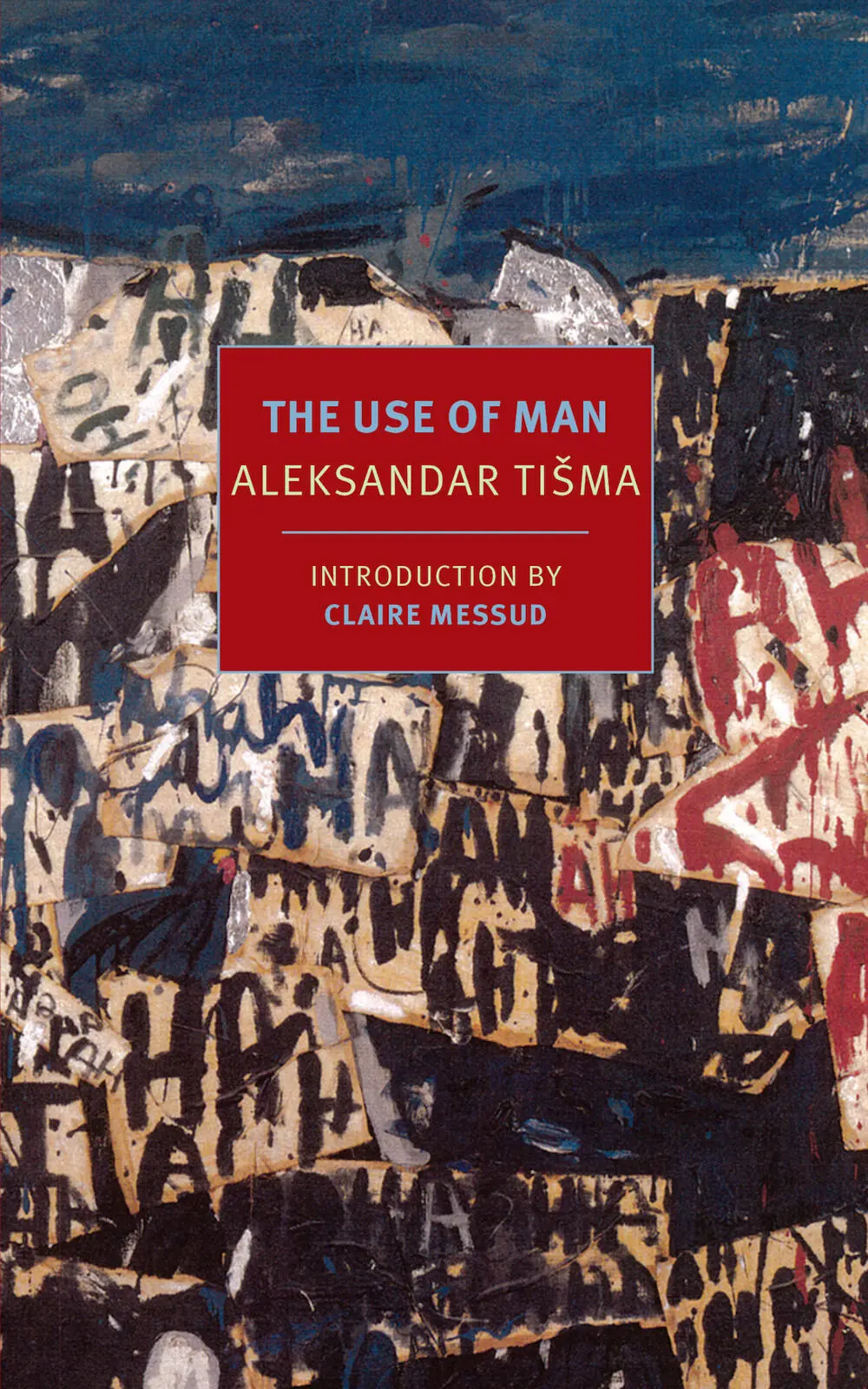
- Название:The Use of Man
- Автор:
- Издательство:NYRB Classics
- Жанр:
- Год:2014
- ISBN:нет данных
- Рейтинг книги:5 / 5. Голосов: 1
-
Избранное:Добавить в избранное
- Отзывы:
-
Ваша оценка:
The Use of Man: краткое содержание, описание и аннотация
Предлагаем к чтению аннотацию, описание, краткое содержание или предисловие (зависит от того, что написал сам автор книги «The Use of Man»). Если вы не нашли необходимую информацию о книге — напишите в комментариях, мы постараемся отыскать её.
A work of stark poetry and illimitable sadness,
is one of the great books of the 20th century.
The Use of Man — читать онлайн бесплатно полную книгу (весь текст) целиком
Ниже представлен текст книги, разбитый по страницам. Система сохранения места последней прочитанной страницы, позволяет с удобством читать онлайн бесплатно книгу «The Use of Man», без необходимости каждый раз заново искать на чём Вы остановились. Поставьте закладку, и сможете в любой момент перейти на страницу, на которой закончили чтение.
Интервал:
Закладка:
20
Sredoje Lazukić viewed the Occupation with the vindictive pleasure of a descendant viewing the corpse of his haughty ancestor. Yesterday’s circle of constraint, though he had not seen it then as constraint, was broken. Law and order were no more, because they were maintained by an invader with a machine gun across his chest and pale eyebrows and a frown beneath the rim of his steel helmet. Respect was no more: hunger and fear had destroyed it. Patriotism was no more: shame had made a mockery of it.
Belgrade, the great metropolis, the capital described in school textbooks, the residence of the monarch for whom every Sunday prayers were said in church, was spread out before Sredoje like a junkyard. The surviving inhabitants poked around the still-smoking ruins, retrieving an undamaged picture, a chair in one piece, a jar of jam miraculously unbroken. Worried housewives, their shoulders hunched, roamed the marketplaces, which the peasants warily avoided, buying their food instead in doorways and alleyways at three times the normal price. The taverns were empty, as were the movie houses and the station waiting rooms, because word had got around that the Germans were seizing people at such places of assembly and putting them to work clearing the streets of rubble.
People sat in their apartments, said nothing, sighed, looked out the windows, drank slivovitz from their meager reserves, and played cards without paying attention. They slept badly, cursed, ground their teeth. Hatred said they should have nothing to do with this gloomy, disrupted new life, but empty stomachs said to hell with hatred, and empty stomachs won. So the people came out, exposing themselves to police seizures and insults, and they observed the curfew, became accustomed to seeing the bodies of hanged men on Terazije Square, and breathed grateful sighs of relief when they reached home. They located the offices of the new authorities and submitted applications for identity cards and ration books. They submitted requests for work or to be given their old jobs back. They curried favor with those who had been the first to associate with the Germans and to gain their confidence. They began to learn German.
Nemanja Lazukić and his son spent several days at the apartment of his old friend Spasoje Gigić, who was a tax assessor. In that time, Lazukić said almost nothing, opening his mouth only to sigh. Then he set off to make the rounds of those of his acquaintances in Belgrade who had family in Novi Sad, to try to get a message to his wife and learn about the situation there. He came back distraught, but more animated: On its arrival in the town, the Hungarian army had shot a hundred prominent Serbs. This confirmed his fears. But he had outwitted the enemy.
In the houses where he had sought news, he met refugees like himself, men faced with the inevitability of starting a new life; they had need of his advice and even his help as a lawyer. He obtained a few papers for them, helped with two or three formalities in court, and for this received valuables from them in payment. In the evening, he discussed with Spaso and Spaso’s portly wife, Živana, who had problems with her legs, how to convert these articles into ready cash, because he wanted to relieve the couple of the burden of his and Sredoje’s keep, though for form’s sake they refused at first. Finally they established a number of contacts for him, and from then on the chain of transactions that led from legal services to money assumed a certain regularity. Then the chain shortened: watches, jewelry, and cameras could be used directly as barter, without the necessity of going to the Town Council and court offices. The lawyer became a pawnbroker.
He got up later now, and stayed in the apartment virtually all day, since people in need brought their possessions to him, and he persuaded potential buyers to come as well. But all this clandestine traffic frightened Gigić’s sickly wife, and as a result of her remarks, tension grew between the old friends. Lazukić looked for a separate apartment for himself. By that time — September 1941—he had good connections in the new underworld of the Occupation; so he succeeded in moving into a bachelor apartment that belonged to an Industrial Bank partner who had been arrested. The place was on Dobrnjac Street, and the furniture was included in the bargain, massive, dark, carved pieces that filled the large single room with shadows. But Lazukić, in keeping with his new profession, which he had unexpectedly taken a great liking to, lowered the blinds halfway, and this made everything still darker.
He would sit in an armchair behind the desk and, squinting dubiously to left and right, pull out the deep drawers and sift through the items to be sold: rings, gold chains, watches, cuff links, gold and silver brooches with precious and semiprecious stones, all jumbled together. He already had an exact record of every piece in his head, but liked to run them through his fingers. If anyone rang the doorbell, he would rapidly and noiselessly put everything back, lock the drawers, drop the keys into his trousers pocket, go to the door, and after a precautionary look through the peephole, let his customer in. He would cough pointedly in Sredoje’s direction, for him to leave, having no wish to involve the boy in any unpleasant consequences of this unauthorized commerce.
At first Sredoje was reluctant to forsake the comfort of the apartment, especially in bad weather; and, each time, Lazukić had to bribe him with extra pocket money. With this bounty the young man roamed the streets of Belgrade, in search of the pleasures to which he had become accustomed in Novi Sad. But he had no idea where in Belgrade such pleasures were provided, and without friends his own age he had no way of finding out. So in his wanderings he kept his eyes open and followed his instinct on what direction to take. Sometimes this was decided for him when he saw a suspicious character, with a bundle under his arm, walking with a step as uncertain as his own; sometimes it was a woman in a short skirt, who, looking over her shoulder, suddenly ducked into a doorway; sometimes it was a group of men gathered in front of a tavern, which Sredoje would enter.
As a rule, he would find himself in a small, gloomy room with a few bare tables and a counter, behind which the unshaven proprietor or his slovenly, bad-tempered wife was drying glasses and pouring drinks. Sredoje would sit down and wait patiently. Before long the door in the back would open, and a girl or a woman with heavily painted lips and cheeks, and that look of both indifference and questioning he knew so well, would walk in, neatening her hair. He would order another drink, light a cigarette (he had begun to smoke by then), and study the girl with care: her legs, breasts, neck, hips, and, from her movements and expression, her temperament. He sweated in indecision, afraid that if he approached her, she might laugh at him coarsely and turn him down, because Belgrade, after small, well-mannered Novi Sad, seemed aggressive and direct. Then the woman, at the first, barely perceptible, invitation, would sit at some other customer’s table, ready to drink, laugh, and allow herself to be pawed, allaying Sredoje’s fears when it was too late for him to take action. He continued to observe what went on at that table, noting every gesture, every wink, listening to every word, deriving a masochistic pleasure from the expertise of the other man, whom he envied and hated.
More and more often, green uniforms made their appearance among the clientele; Sredoje watched these men with special curiosity. The German soldiers usually came in twos, stiffly, as if out of duty and not for enjoyment. From the doorway they saluted the room in general, took off their caps and placed them neatly on the rack, sat at an empty corner table, and ordered beer, which they took a long time drinking. Finally they called a woman to the table, and after coming to an agreement with her, more by gestures than by words, one of them went out with her while the other stayed to hold the table. Then they changed places. They were incredibly quick in the sexual act and obviously well organized: they didn’t get carried away, didn’t get drunk. When both were finished with the woman, they sat and finished their beer, talking together and nodding.
Читать дальшеИнтервал:
Закладка:
Похожие книги на «The Use of Man»
Представляем Вашему вниманию похожие книги на «The Use of Man» списком для выбора. Мы отобрали схожую по названию и смыслу литературу в надежде предоставить читателям больше вариантов отыскать новые, интересные, ещё непрочитанные произведения.









Обсуждение, отзывы о книге «The Use of Man» и просто собственные мнения читателей. Оставьте ваши комментарии, напишите, что Вы думаете о произведении, его смысле или главных героях. Укажите что конкретно понравилось, а что нет, и почему Вы так считаете.