Теодор Драйзер - The Genius
Здесь есть возможность читать онлайн «Теодор Драйзер - The Genius» весь текст электронной книги совершенно бесплатно (целиком полную версию без сокращений). В некоторых случаях можно слушать аудио, скачать через торрент в формате fb2 и присутствует краткое содержание. Год выпуска: 2014, Издательство: epubBooks Classics, Жанр: Классическая проза, на английском языке. Описание произведения, (предисловие) а так же отзывы посетителей доступны на портале библиотеки ЛибКат.
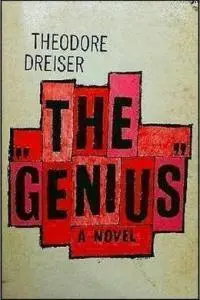
- Название:The Genius
- Автор:
- Издательство:epubBooks Classics
- Жанр:
- Год:2014
- ISBN:нет данных
- Рейтинг книги:4 / 5. Голосов: 1
-
Избранное:Добавить в избранное
- Отзывы:
-
Ваша оценка:
The Genius: краткое содержание, описание и аннотация
Предлагаем к чтению аннотацию, описание, краткое содержание или предисловие (зависит от того, что написал сам автор книги «The Genius»). Если вы не нашли необходимую информацию о книге — напишите в комментариях, мы постараемся отыскать её.
The Genius — читать онлайн бесплатно полную книгу (весь текст) целиком
Ниже представлен текст книги, разбитый по страницам. Система сохранения места последней прочитанной страницы, позволяет с удобством читать онлайн бесплатно книгу «The Genius», без необходимости каждый раз заново искать на чём Вы остановились. Поставьте закладку, и сможете в любой момент перейти на страницу, на которой закончили чтение.
Интервал:
Закладка:
"Why, hello, Witla!" he exclaimed, shocked to see that he was exceptionally thin and pale. "Where have you been all these years? I'm delighted to see you. What have you been doing? Let's go over here to Hahn's and you tell me all about yourself."
"I've been sick, Dula," said Eugene frankly. "I had a severe case of nervous breakdown and I've been working on the railroad for a change. I tried all sorts of specialists, but they couldn't help me. So I decided to go to work by the day and see what that would do. I got all out of sorts with myself and I've been pretty near four years getting back. I think I am getting better, though. I'm going to knock off on the road one of these days and try my hand at painting again. I think I can do it."
"Isn't that curious," replied Dula reminiscently, "I was just thinking of you the other day and wondering where you were. You know I've quit the art director game. Truth failed and I went into the lithographic business. I have a small interest in a plant that I'm managing down in Bond Street. I wish you'd come in and see me some day."
"I certainly will," said Eugene.
"Now this nervousness of yours," said Dula, as they strolled into the restaurant where they were dining. "I have a brother–in–law that was hit that way. He's still doctoring around. I'm going to tell him about your case. You don't look so bad."
"I'm feeling much better," said Eugene. "I really am but I've had a bad spell of it. I'm going to come back in the game, though, I feel sure of it. When I do I'll know better how to take care of myself. I over–worked on that first burst of pictures."
"I must say that was the best stuff of that kind I ever saw done in this country," said Dula. "I saw both your shows, as you remember. They were splendid. What became of all those pictures?"
"Oh, some were sold and the rest are in storage," replied Eugene.
"Curious, isn't it," said Dula. "I should have thought all those things would have been purchased. They were so new and forceful in treatment. You want to pull yourself together and stay pulled. You're going to have a great future in that field."
"Oh, I don't know," replied Eugene pessimistically. "It's all right to obtain a big reputation, but you can't live on that, you know. Pictures don't sell very well over here. I have most of mine left. A grocer with one delivery wagon has the best artist that ever lived backed right off the board for financial results."
"Not quite as bad as that," said Dula smilingly. "An artist has something which a tradesman can never have—you want to remember that. His point of view is worth something. He lives in a different world spiritually. And then financially you can do well enough—you can live, and what more do you want? You're received everywhere. You have what the tradesman cannot possibly attain—distinction; and you give the world a standard of merit—you will, at least. If I had your ability I would never sit about envying any butcher or baker. Why, all the artists know you now—the good ones, anyhow. It only remains for you to do more, to obtain more. There are lots of things you can do."
"What, for instance?" asked Eugene.
"Why, ceilings, mural decorations. I was saying to someone the other day what a mistake it was the Boston Library did not assign some of their panels to you. You would make splendid things of them."
"You certainly have a world of faith in me," replied Eugene, tingling warmly. It was like a glowing fire to hear this after all the dreary days. Then the world still remembered him. He was worth while.
"Do you remember Oren Benedict—you used to know him out in Chicago, didn't you?"
"I certainly did," replied Eugene. "I worked with him."
"He's down on the World now, in charge of the art department there. He's just gone there." Then as Eugene exclaimed over the curious shifts of time, he suddenly added, "Why wouldn't that be a good idea for you? You say you're just about to knock off. Why don't you go down and do some pen work to get your hand in? It would be a good experience for you. Benedict would be glad to put you on, I'm sure."
Dula suspected that Eugene might be out of funds, and this would be an easy way for him to slip into something which would lead back to studio work. He liked Eugene. He was anxious to see him get along. It flattered him to think he had been the first to publish his work in color.
"That isn't a bad idea," said Eugene. "I was really thinking of doing something like that if I could. I'll go up and see him maybe today. It would be just the thing I need now,—a little preliminary practise. I feel rather rusty and uncertain."
"I'll call him up, if you want," said Dula generously. "I know him well. He was asking me the other day if I knew one or two exceptional men. You wait here a minute."
Eugene leaned back in his chair as Dula left. Could it be that he was going to be restored thus easily to something better? He had thought it would be so hard. Now this chance was coming to lift him out of his sufferings at the right time.
Dula came back. "He says 'Sure,'" he exclaimed. "'Come right down!' You'd better go down there this afternoon. That'll be just the thing for you. And when you are placed again, come around and see me. Where are you living?"
Eugene gave him his address.
"That's right, you're married," he added, when Eugene spoke of himself and Angela having a small place. "How is Mrs. Witla? I remember her as a very charming woman. Mrs. Dula and I have an apartment in Gramercy Place. You didn't know I had tied up, did you? Well, I have. Bring your wife and come to see us. We'll be delighted. I'll make a dinner date for you two."
Eugene was greatly pleased and elated. He knew Angela would be. They had seen nothing of artistic life lately. He hurried down to see Benedict and was greeted as an old acquaintance. They had never been very chummy but always friendly. Benedict had heard of Eugene's nervous breakdown.
"Well, I'll tell you," he said, after greeting and reminiscences were over, "I can't pay very much—fifty dollars is high here just at present, and I have just one vacancy now at twenty–five which you can have if you want to try your hand. There's a good deal of hurry up about at times, but you don't mind that. When I get things straightened out here I may have something better."
"Oh, that's all right," replied Eugene cheerfully. "I'm glad to get that." (He was very glad indeed.) "And I don't mind the hurry. It will be good for a change."
Benedict gave him a friendly handshake in farewell. He was glad to have him, for he knew what he could do.
"I don't think I can come before Monday. I have to give a few days' notice. Is that all right?"
"I could use you earlier, but Monday will do," said Benedict, and they parted genially.
Eugene hurried back home. He was delighted to tell Angela, for this would rob their condition of part of its gloom. It was no great comfort to him to be starting in as a newspaper artist again at twenty–five dollars a week, but it couldn't be helped, and it was better than nothing. At least it was putting him back on the track again. He was sure to do still better after this. He could hold this newspaper job, he felt, and outside that he didn't care very much for the time being; his pride had received some severe jolts. It was vastly better than day labor, anyway. He hurried up the four flights of stairs to the cheap little quarters they occupied, saying when he saw Angela at the gas range: "Well, I guess our railroad days are over."
"What's the trouble?" asked Angela apprehensively.
"No trouble," he replied. "I have a better job."
"What is it?"
"I'm going to be a newspaper artist for a while on the World ."
"When did you find that out?" she asked, brightening, for she had been terribly depressed over their state.
Читать дальшеИнтервал:
Закладка:
Похожие книги на «The Genius»
Представляем Вашему вниманию похожие книги на «The Genius» списком для выбора. Мы отобрали схожую по названию и смыслу литературу в надежде предоставить читателям больше вариантов отыскать новые, интересные, ещё непрочитанные произведения.






Обсуждение, отзывы о книге «The Genius» и просто собственные мнения читателей. Оставьте ваши комментарии, напишите, что Вы думаете о произведении, его смысле или главных героях. Укажите что конкретно понравилось, а что нет, и почему Вы так считаете.