Cathy Glass - Innocent
Здесь есть возможность читать онлайн «Cathy Glass - Innocent» — ознакомительный отрывок электронной книги совершенно бесплатно, а после прочтения отрывка купить полную версию. В некоторых случаях можно слушать аудио, скачать через торрент в формате fb2 и присутствует краткое содержание. Жанр: unrecognised, на английском языке. Описание произведения, (предисловие) а так же отзывы посетителей доступны на портале библиотеки ЛибКат.
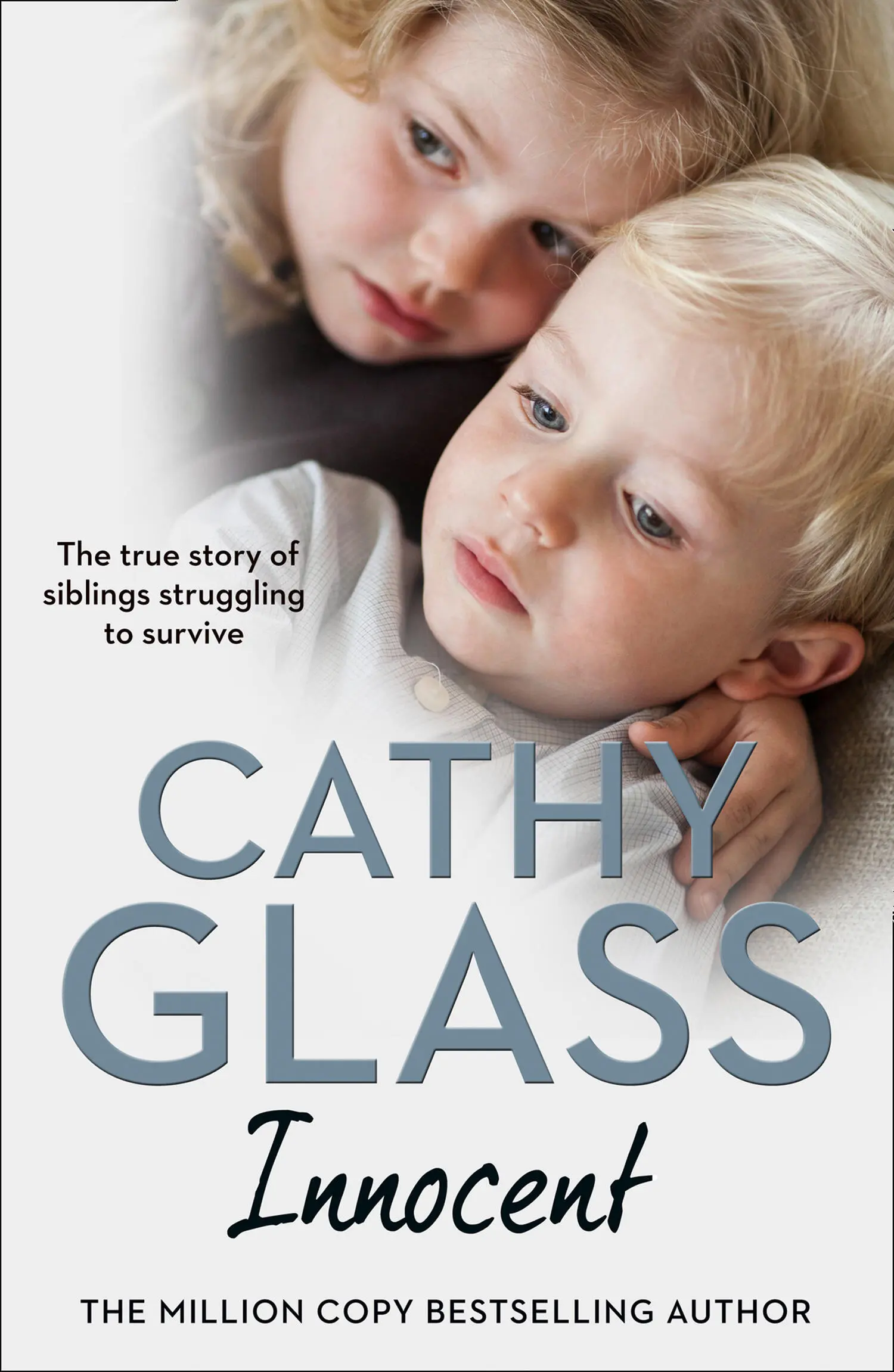
- Название:Innocent
- Автор:
- Жанр:
- Год:неизвестен
- ISBN:нет данных
- Рейтинг книги:4 / 5. Голосов: 1
-
Избранное:Добавить в избранное
- Отзывы:
-
Ваша оценка:
Innocent: краткое содержание, описание и аннотация
Предлагаем к чтению аннотацию, описание, краткое содержание или предисловие (зависит от того, что написал сам автор книги «Innocent»). Если вы не нашли необходимую информацию о книге — напишите в комментариях, мы постараемся отыскать её.
Innocent — читать онлайн ознакомительный отрывок
Ниже представлен текст книги, разбитый по страницам. Система сохранения места последней прочитанной страницы, позволяет с удобством читать онлайн бесплатно книгу «Innocent», без необходимости каждый раз заново искать на чём Вы остановились. Поставьте закладку, и сможете в любой момент перейти на страницу, на которой закончили чтение.
Интервал:
Закладка:
‘Is Mummy here?’ Molly asked as I parked outside the Family Centre.
‘Yes, Mummy and Daddy should be waiting inside,’ I replied. Molly was looking out of her side window at the building, while Kit was cautiously watching me. I met his gaze and smiled. The poor child looked scared and confused. I hoped that seeing their parents would reassure the children.
I undid their harnesses and helped them out of their car seats. Taking them by the hand, I walked with them slowly up the path to the security-locked main door where I pressed the buzzer. The closed-circuit television camera above us was monitored in the office, and a few moments later the door clicked open and we went in. Tess was waiting in reception. ‘Hello,’ she said brightly to us all.
Sometimes the social worker is present at the first contact, then after that they observe contact every few months, although they are sent the supervisor’s reports after each session. The parents would have been shown around the building and had the house rules explained to them. They would also have signed a written agreement that outlined the arrangements and expectations for contact.
‘The parents are in Blue Room,’ Tess said. Each of the rooms is known by the colour it is decorated. ‘I’ll take the children through. Filip has brought in some more of the children’s belongings.’ She nodded to a suitcase standing to one side. ‘He said he’s put the appointment card for the fracture clinic in there with the notes they were given on the care of the plaster.’
‘Thank you.’
‘Also, I’ve arranged a medical for the children on Monday afternoon,’ Tess continued as the children stood quietly beside me. ‘I’ve emailed the details to you.’
‘OK, thanks. I haven’t had a chance to check my emails yet. I’ll have a look this evening. What time is contact finishing today?’
‘Five-thirty, when the centre closes. The details of future contacts are in the email.’
‘All right.’
‘Come on, then, let’s see Mummy and Daddy,’ Tess said to the children.
‘Have a good time,’ I said, but the children just looked at me with sad, wary eyes.
Tess took them by the hand and, with a few words of reassurance, led them down the corridor in the direction of Blue Room. I picked up the suitcase, smiled at the receptionist, who I knew a little from my previous visits, and left.
There was just enough time to make it worth my while going home. I wanted to unpack the case so the children had their own belongings in their bedroom. I doubted there’d be much time when we got back. The drive from the Family Centre to my house is usually between fifteen and thirty minutes, depending on the traffic, and I arrived home just before four-thirty. I was the only one in, apart from Sammy, and he watched me heave the case upstairs and into Molly and Kit’s bedroom. I opened it and found the hospital appointment card and the printout on plaster-cast care at the top. I put them to one side and quickly unpacked the rest of the case. There were no toys, which was a pity, but I appreciated how difficult it was for parents to send their children’s belongings to the foster carer. Although it helps the children to settle, parents can feel as though they are collaborating in sending their children away. Still, I had plenty of toys, and Molly and Kit now had more of their own clothes, and the soft toys they’d arrived with.
With the case empty, I took it and their other bag downstairs to return them to the parents at contact. It was five o’clock now and I had to leave to collect the children. I put the appointment card and printout with some other paperwork to one side to deal with later and opened the front door. Paula was just coming in, having returned from college. We exchanged a few words and I said we’d catch up later.
When children first come into care the end of contact is often distressing for all the family. In the past I’d had to carry a child screaming and crying from the room, as there’d been no other way. Gradually the parents and children adapt to the arrangements and it becomes less fraught, although saying goodbye at the end is always very emotional. I was therefore expecting Kit and Molly to be upset when they had to say goodbye, but nothing could have prepared me for what actually happened.
I parked outside the Family Centre, took the empty cases from the car and went up to the door, where I buzzed to be let in. It’s usual procedure for foster carers to collect the child or children from the room at the end of contact. ‘It’s five-thirty, so go down,’ the receptionist told me.
I signed the Visitors’ Book and continued to Blue Room. The centre closed shortly, so other families were saying goodbye and leaving. I passed a young lad aged about eight leaving with a man I knew to be his foster carer and we said hello.
The door to Blue Room was closed. Painted royal blue, it’s imaginatively decorated with pictures of blue objects – cars, flowers, butterflies, a hat, the sky, the sea, blueberries and so on. Indeed, the whole centre is decorated appealingly to make it child-friendly. I knocked on the door, pushed it open and took a few steps in. I was immediately struck by how quiet and tidy the room was. Usually when I collect a child at the end of contact – even the first one – they are still playing, so there is a last-minute scramble to clear up, as the room has to be left clean and tidy.
‘Hello,’ I said quietly. ‘I’ve brought these back.’ I placed the cases to one side, out of the way.
Aneta and Filip were sitting on the sofa with the children between them. They had some picture books open on their laps, but I didn’t get the impression they’d been reading to the children, perhaps just looking at the pictures. The contact supervisor was still sitting at the table making notes on a large pad. Everyone looked at me, Aneta hostile, Filip and the children bewildered. I knew my arrival was unwelcome, as it signalled the end of contact. Tess wasn’t there, so I assumed she’d gone.
Eventually Filip realized why I was there. ‘It’s time for you to go,’ he said in a deadpan voice, putting the books to one side. He was a big man with broad shoulders, now slumped under the crushing weight of losing his children.
‘No. I’m not letting them go again!’ Aneta suddenly shrieked, and clasped both children to her. She took Kit on her lap and had her other arm tightly around Molly. Indeed, she was holding them so tightly I thought they must be uncomfortable, but they didn’t squirm or try to pull away. ‘I’m not letting them go!’ Aneta cried again, her face contorted in panic and fear. She clung desperately to her children. It was pitiful and I knew it would be upsetting for Molly and Kit. The sooner we left the better, but it wasn’t for me to take the initiative. I looked at the supervisor.
‘It’s after five-thirty,’ she said, glancing up from writing. Perhaps she was inexperienced – some of them are – for I would have thought her priority ought to have been to end contact as positively as possible, and then finish writing her notes after.
‘Go away! You’re not having my children!’ Aneta shrieked hysterically, jerking the children closer. They both began to cry.
‘I think they have to go,’ Filip said ineffectually.
‘No, never! You’ll have to tear them off me.’ I’m sure Aneta didn’t appreciate that her behaviour was upsetting the children. Most parents don’t want to say goodbye at the end of contact, but they put on a brave face for the sake of their children. Sometimes I’ve looked back as I’ve left contact and seen parents crying, having waited until their children couldn’t see them. But Aneta appeared to be so wound up in her own grief that she was blind to the effect it was having on Molly and Kit, who were now sobbing uncontrollably.
Читать дальшеИнтервал:
Закладка:
Похожие книги на «Innocent»
Представляем Вашему вниманию похожие книги на «Innocent» списком для выбора. Мы отобрали схожую по названию и смыслу литературу в надежде предоставить читателям больше вариантов отыскать новые, интересные, ещё непрочитанные произведения.



Обсуждение, отзывы о книге «Innocent» и просто собственные мнения читателей. Оставьте ваши комментарии, напишите, что Вы думаете о произведении, его смысле или главных героях. Укажите что конкретно понравилось, а что нет, и почему Вы так считаете.