Kim Wilde - First-time Gardener
Здесь есть возможность читать онлайн «Kim Wilde - First-time Gardener» — ознакомительный отрывок электронной книги совершенно бесплатно, а после прочтения отрывка купить полную версию. В некоторых случаях можно слушать аудио, скачать через торрент в формате fb2 и присутствует краткое содержание. Жанр: unrecognised, на английском языке. Описание произведения, (предисловие) а так же отзывы посетителей доступны на портале библиотеки ЛибКат.
- Название:First-time Gardener
- Автор:
- Жанр:
- Год:неизвестен
- ISBN:нет данных
- Рейтинг книги:4 / 5. Голосов: 1
-
Избранное:Добавить в избранное
- Отзывы:
-
Ваша оценка:
First-time Gardener: краткое содержание, описание и аннотация
Предлагаем к чтению аннотацию, описание, краткое содержание или предисловие (зависит от того, что написал сам автор книги «First-time Gardener»). Если вы не нашли необходимую информацию о книге — напишите в комментариях, мы постараемся отыскать её.
First-time Gardener — читать онлайн ознакомительный отрывок
Ниже представлен текст книги, разбитый по страницам. Система сохранения места последней прочитанной страницы, позволяет с удобством читать онлайн бесплатно книгу «First-time Gardener», без необходимости каждый раз заново искать на чём Вы остановились. Поставьте закладку, и сможете в любой момент перейти на страницу, на которой закончили чтение.
Интервал:
Закладка:
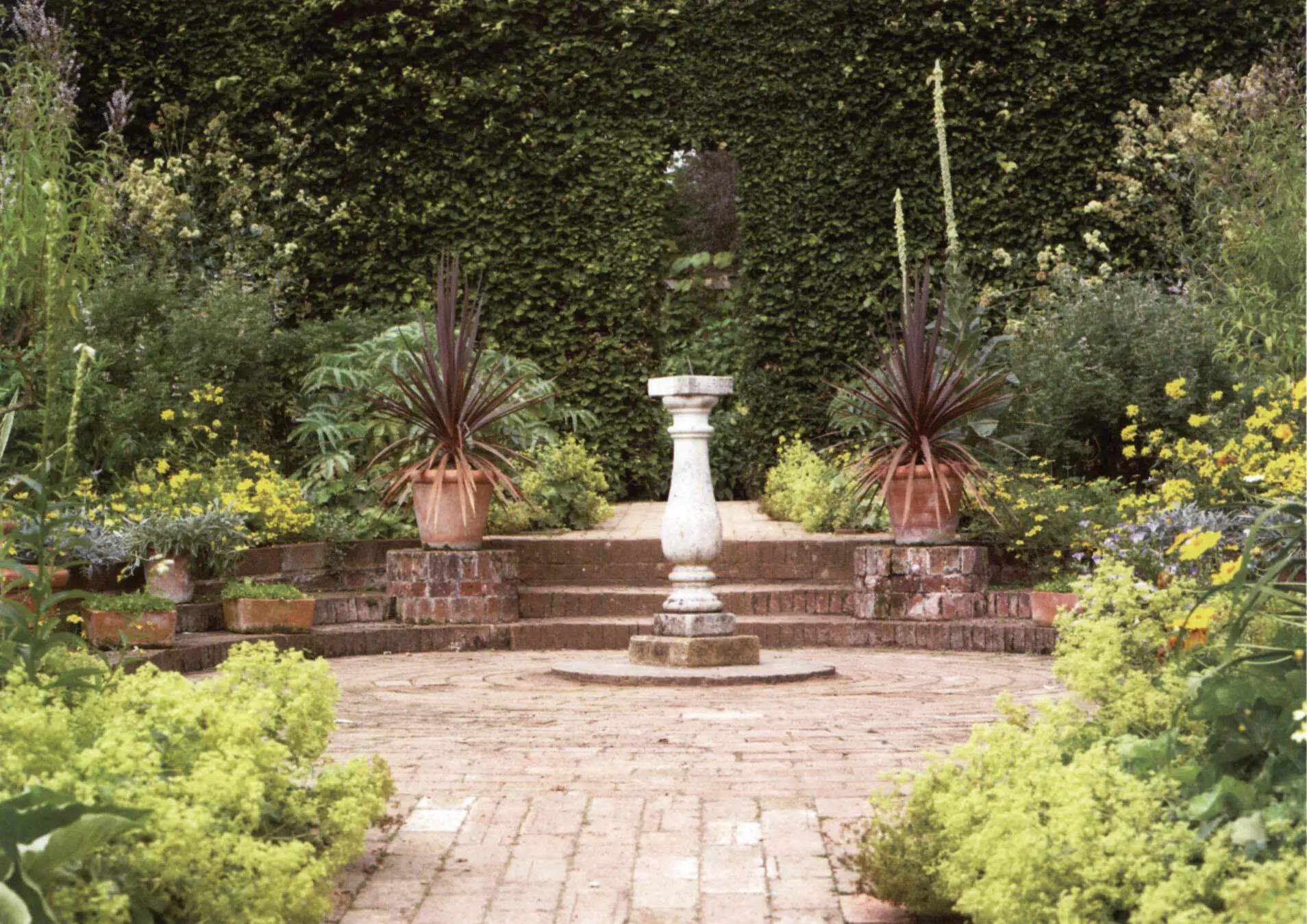
The use of symmetry and focal points creates a strong feeling of formality in this garden, even though the planting style in the rest of the area is more relaxed and flowing.
Wild garden
Many people are now increasingly aware of wildlife and wish to attract birds, bees and butterflies into their gardens (see here). Whenever you create a garden area they will all come, but to attract the greatest variety of wildlife, think of adopting a wild garden style, possibly just in one area, rather than for your whole garden.
If you have the space, grass that is left unmown is a wonderful feature. Mow a pathway through the long grass, and then you can explore the many wild flowers that appear in the long grass. These will, in turn, attract many butterflies, moths and other creatures. Plant native trees and shrubs, too, and also make use of cultivated varieties of native plants. Honeysuckles can be grown up any new or existing trees that you may have and they will attract moths, which will, in turn, attract bats.
Introducing water is possibly the single biggest thing you can do to attract more wildlife to your garden. An informal pond with plenty of native marginal plants (see here) will quickly attract frogs, toads and many invertebrates. A wildlife garden, then, is more of a feature than a garden style, but it does have a particular look, and can still be a very colourful affair.

Grass left unmown allows wild flowers to grow. Here ox-eye daisies (Leucanthemum vulgare) look delightful among the long grasses, and will encourage wildlife, too.
Contemporary garden
A favourite style for smaller urban spaces, where there may be no strong feeling coming from historic architecture or countryside views, a contemporary style usually relies on a degree of formality, often using strong geometric lines and plants with architectural qualities. Hard landscaping materials are usually sleek and modern, with stainless steel, glass, plastic and industrial metalwork being popular. A clean, uncluttered look is essential for creating a contemporary style of garden; smooth rendered walls are more effective than brick or stone; and because foliage often works better than flowers in this type of setting, masonry can be painted to be the main source of colour in the garden. Containers and furniture must also reflect the fashion of the garden. When selecting plants choose simple blocks or lines of single varieties; grasses, bamboos and evergreen shrubs work especially well with modern materials.
Plants for a contemporary garden
Buxus sempervirens (common box) clipped into geometric shapes
Calamagrostis x acutiflora ‘Karl Foerster’ (feather reed grass)
Carex buchananii (leatherleaf sedge)
Equisetum ramosissimum var. japonicum
Euphorbia mellifera (honey spurge)
Fatsia japonica (Japanese aralia)
Festuca glauca (blue fescue)
Miscanthus sinensis
Phyllostachys nigra (black bamboo)
Pittosporum tobira (Japanese mock orange)
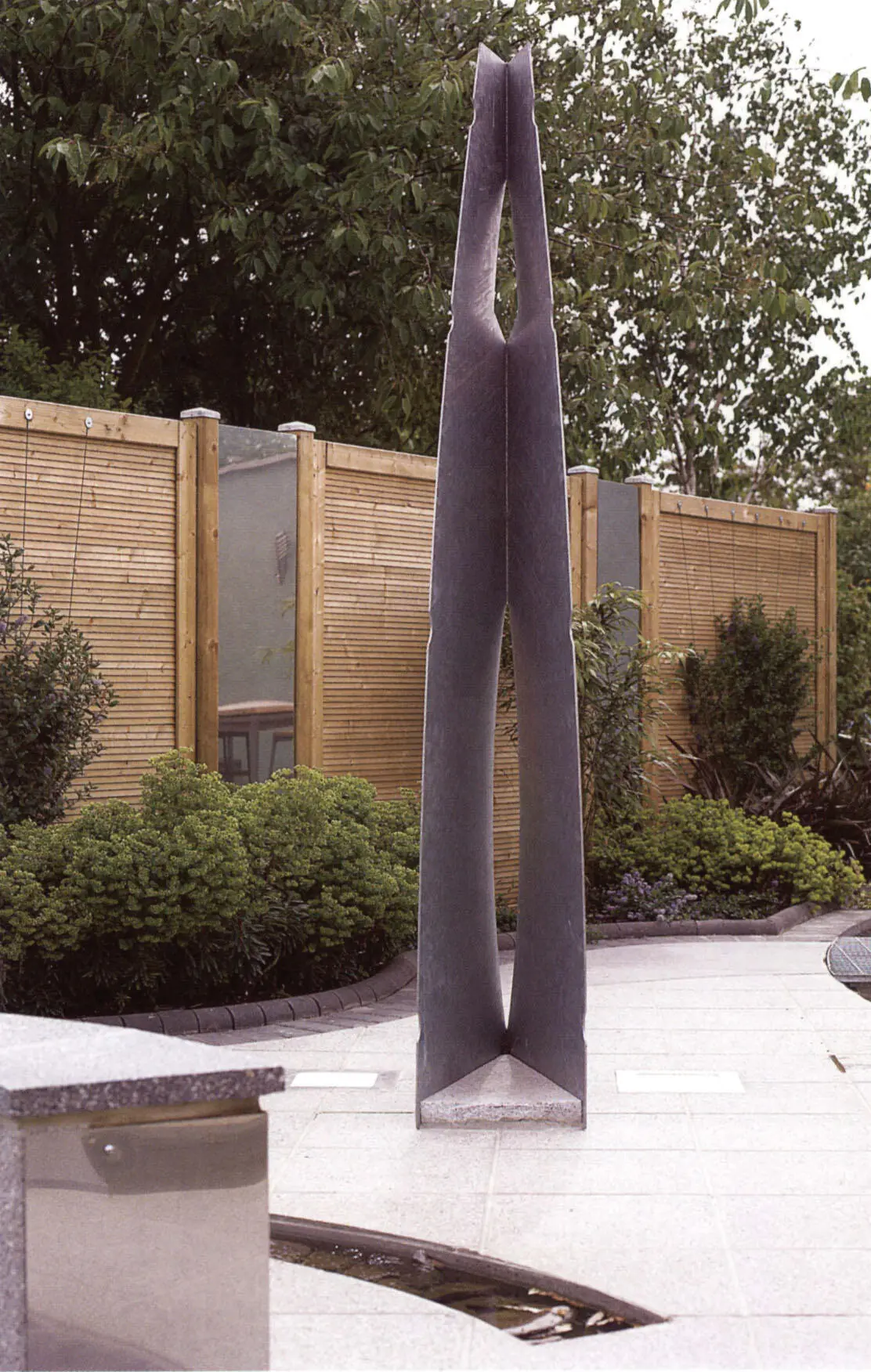
The use of modern materials and carefully positioned sculpture all help to create a clean, crisp contemporary feel to this garden.
Drawing and developing a plan
If you decide not to get any extra help, the best thing to do next is to make a simple plan of your garden. It sounds boring, but without a plan you’ll find it difficult to imagine what will easily fit into your garden space and the best way to arrange your garden. Don’t worry if you think you cannot draw, you don’t need to artistically gifted to sketch out a simple plan, and that’s all we are doing here.
Follow the steps opposite so you can achieve an outline of your garden from which you will then develop your design ideas. You will need to take measurements of your garden first. If you do not have a long enough tape measure, use lengths of string have measured and cut to a set length (for instance, a 5m (5yd) and 10m (10yd) length). Tie the lengths of string to a cane at each end, stretch them out, and measure the remaining distance with your tape measure. Add the two measurements together to get your total distance.
When you have completed your scaled garden plan, scan or photocopy it so that you have new copies to hand on which to sketch out different ideas. Tracing paper could also be used.
KIM’S TIPS
Allow yourself plenty of time to measure your garden. It is much easier and quicker if you ask someone to help you.
A well-designed garden uses definite shapes and lines as its basis. The way these shapes evolve at a design stage is by using a grid of lines laid onto your plan of the garden (see Step 6, opposite).
Using a grid helps to ensure that the different spaces and features of your garden are at the correct scale to each other and, more importantly, to the house itself. Use it to help you to design paths, lawns and hard landscaping areas that are in line and in proportion to each other.
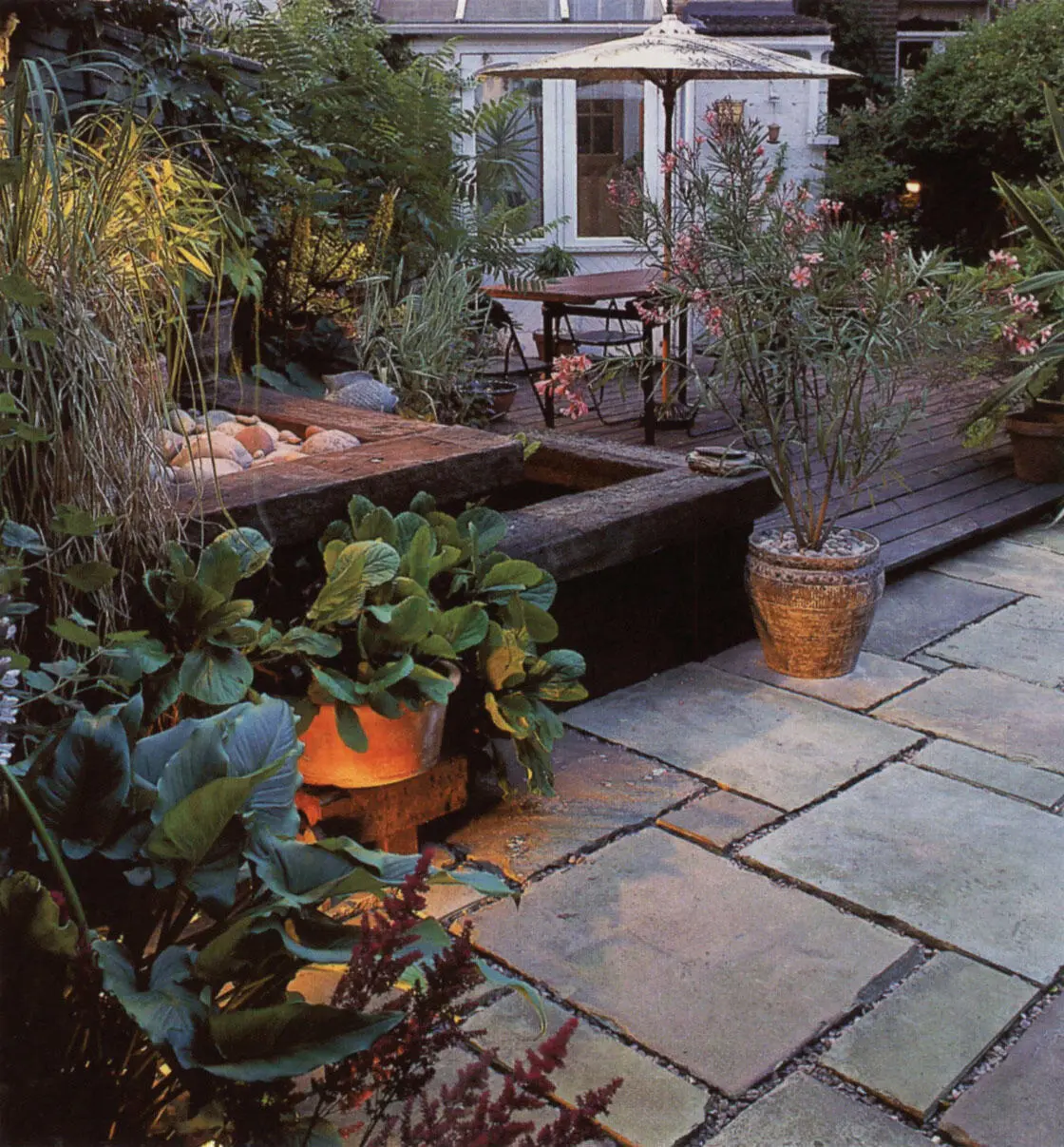
Jerry Harpur/Design: Simon Fraser, Hampton, Middx;
The plan drawn on the opposite page shows a scale drawing of this contemporary urban garden. The design is set at 45 degrees to the house and has been based on the angles suggested on a 1m (1yd) grid. The triangular beds play host to a water feature as well as architectural planting, and the eye is led through the garden to a sunny, west-facing arbour at the end.
How to draw up a plan
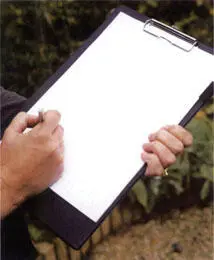 |
1Draw the outline of your garden on a piece of paper using a pencil so you can rub out mistakes, should you make them. Don’t worry if it’s not perfect. If the garden is a simple rectangular shape, that’s easy. If it’s a more complicated shape, try to indicate any changes to its width or depth. |
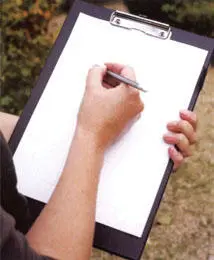 |
2Add any existing structures in the garden that you think you will ultimately be keeping, such as a mature tree or shrub, or a garden shed. At this stage, the outlines need only be approximate in their dimensions. |
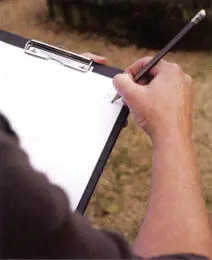 |
3Indicate where north lies on the plan so that you can see where the sun rises and sets. This will help you to decide, for example, where a sunny seating area or a shady border could be situated. |
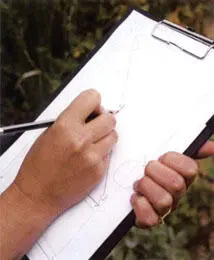 |
4Add measurements for the outer boundaries of the plot and also diagonal measurements, noting down each one on the plan as you go. For fixed features, measure how far these are from other points, such as the corners of the garden. This will then help you to place them accurately on your plan. |
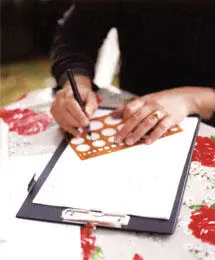 |
5Redraw your plan on afresh sheet of paper and to scale so that it is in proportion to the actual garden space. Use 2cm (1in) on your plan to represent 1m (1yd) in your garden, which represents a scale of 1:50 (1:36). Use a ruler to measure and draw your boundaries and transfer all your measurements to the plan. Draw over the pencil lines in dark ink and now you can start experimenting with your design. |
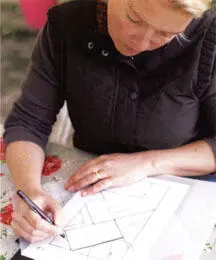 |
6When you are experimenting with different ideas, it can be very helpful to have an additional layer of tracing paper between your basic outline and your proposed plans. The grid on this additional layer shows 1m (1yd) squares, which helps you get a better idea of scale for any new additions you would like to add to the garden. You can either align the grid with the house or, as here, turn it through 45 degrees. |
KIM’S TIP
Читать дальшеИнтервал:
Закладка:
Похожие книги на «First-time Gardener»
Представляем Вашему вниманию похожие книги на «First-time Gardener» списком для выбора. Мы отобрали схожую по названию и смыслу литературу в надежде предоставить читателям больше вариантов отыскать новые, интересные, ещё непрочитанные произведения.











Обсуждение, отзывы о книге «First-time Gardener» и просто собственные мнения читателей. Оставьте ваши комментарии, напишите, что Вы думаете о произведении, его смысле или главных героях. Укажите что конкретно понравилось, а что нет, и почему Вы так считаете.