Don Peppers - Managing Customer Experience and Relationships
Здесь есть возможность читать онлайн «Don Peppers - Managing Customer Experience and Relationships» — ознакомительный отрывок электронной книги совершенно бесплатно, а после прочтения отрывка купить полную версию. В некоторых случаях можно слушать аудио, скачать через торрент в формате fb2 и присутствует краткое содержание. Жанр: unrecognised, на английском языке. Описание произведения, (предисловие) а так же отзывы посетителей доступны на портале библиотеки ЛибКат.
- Название:Managing Customer Experience and Relationships
- Автор:
- Жанр:
- Год:неизвестен
- ISBN:нет данных
- Рейтинг книги:4 / 5. Голосов: 1
-
Избранное:Добавить в избранное
- Отзывы:
-
Ваша оценка:
Managing Customer Experience and Relationships: краткое содержание, описание и аннотация
Предлагаем к чтению аннотацию, описание, краткое содержание или предисловие (зависит от того, что написал сам автор книги «Managing Customer Experience and Relationships»). Если вы не нашли необходимую информацию о книге — напишите в комментариях, мы постараемся отыскать её.
Written by Don Peppers and Martha Rogers, Ph.D., recognized for decades as two of the world’s leading experts on customer experience issues, the book combines theory, case studies, and strategic analyses to guide a company on its own quest to position its customers at the very center of its business model, and to “treat different customers differently.”
This latest edition adds new material including:
How to manage the mass-customization principles that drive digital interactions How to understand and manage data-driven marketing analytics issues, without having to do the math How to implement and monitor customer success management, the new discipline that has arisen alongside software-as-a-service businesses How to deal with the increasing threat to privacy, autonomy, and competition posed by the big tech companies like Facebook, Amazon, and Google Teaching slide decks to accompany the book, author-written test banks for all chapters, a complete glossary for the field, and full indexing Ideal not just for students, but for managers, executives, and other business leaders,
should prove an indispensable resource for marketing, sales, or customer service professionals in both the B2C and B2B world.
Managing Customer Experience and Relationships — читать онлайн ознакомительный отрывок
Ниже представлен текст книги, разбитый по страницам. Система сохранения места последней прочитанной страницы, позволяет с удобством читать онлайн бесплатно книгу «Managing Customer Experience and Relationships», без необходимости каждый раз заново искать на чём Вы остановились. Поставьте закладку, и сможете в любой момент перейти на страницу, на которой закончили чтение.
Интервал:
Закладка:
As we discuss CX here, we are defining it as the totality of a customer's individual interactions with a brand over time. In other words, this discussion is about what a company can do to make the customer's experience better—not necessarily every possible thing that could happen to a customer, including the kinds of things outside the control of the company. It's about the experience that is intended for a customer at an individual and personal level more than the general experience received. Customer experience is therefore more about their “experience” and not generalized to the customer's world.
But understanding customer experience should go beyond the aggregate of the company-controlled aggregate of CX. This is about the actual—real—customer journey solely from the perspective of the customer. Some call it outside-in . In some cases, especially at the start of the customer's journey, the company has no idea that they are even being considered. This journey includes stages and activities that go beyond the company to partners and providers. If a company seeks to figure out how to deliver great customer experiences, the first requirement is deep self-awareness—awareness of what it is as a company, of its purpose, values, strengths, and weaknesses. Some companies use customer journey mapping to help put together the myriad puzzle pieces of their own company.
Customer journey mapping (CJM)—or customer experience journey mapping (CXJM)—is a tool for envisioning, designing, and visualizing a holistic experience from the customers' point of view. It helps a company understand the customers' journey from their initial need for a company's product or service, to the way they research the competition, how they select a company, the purchasing process, using the product or service, and repurchasing or churning out.
According to Pointillist, 93% of high-performing organizations have said a customer journey strategy is very or extremely important to their organization's overall success, as compared to 63% of underperformers. The majority of high-performing organizations (68%) have a role or team dedicated to journey management, compared to 31% of underperformers. Overall, slightly more than half (53%) of organizations currently have a dedicated customer-journey-based role or team, 10% plan to add a dedicated role or team, and 19% have aligned their existing roles/teams with a journey-based approach. 13
And according to Hanover Research, organizations most often use journey maps to guide leadership or strategy meetings and aid in decision making. A majority of respondents report journey maps help them increase customer satisfaction (95%), develop new products or services (92%), and identify gaps in communication touchpoints (91%).
The goal is to help a company gain insights and understand its customers' journey (using service, sales and marketing materials, data, voice of the customer (VoC)and voice of the customer from the employee perspective, NPS and other qualitative survey results, etc.) to create visual maps based on compelling rational and emotional evidence.
To create a great CX, a company must first understand the customer's experience. Like similar methods such as human-centered design and design thinking, journey mapping encourages collaborationand sharing. By getting everyone at the company on the same page to form the basis of a longer-term strategic plan to build customer value, it also educated and enables change.
One global automotive company saved hundreds of thousands of dollars and improved onboarding satisfaction rates when the journey mapping effort revealed that six separate invitations to join different memberships were going out to new car buyers within the first two weeks of buying their car. By discovering and fixing this issue, the company mitigated customer frustration by creating an interactive portal lowering the number of outbound interactions by two-thirds. They enabled the customer to have one-stop access to all of the benefits and opportunities as well as to sign up for channel preferences and their first service visit. Communications and satisfaction improved almost immediately and costs dropped. Not surprisingly, engagement and opt-insincreased. The company now has a team and methods/research approach in place to provide long-term benefits and insights for customers, employees, and leadership. 14
This drawing presents a typical journey flow:
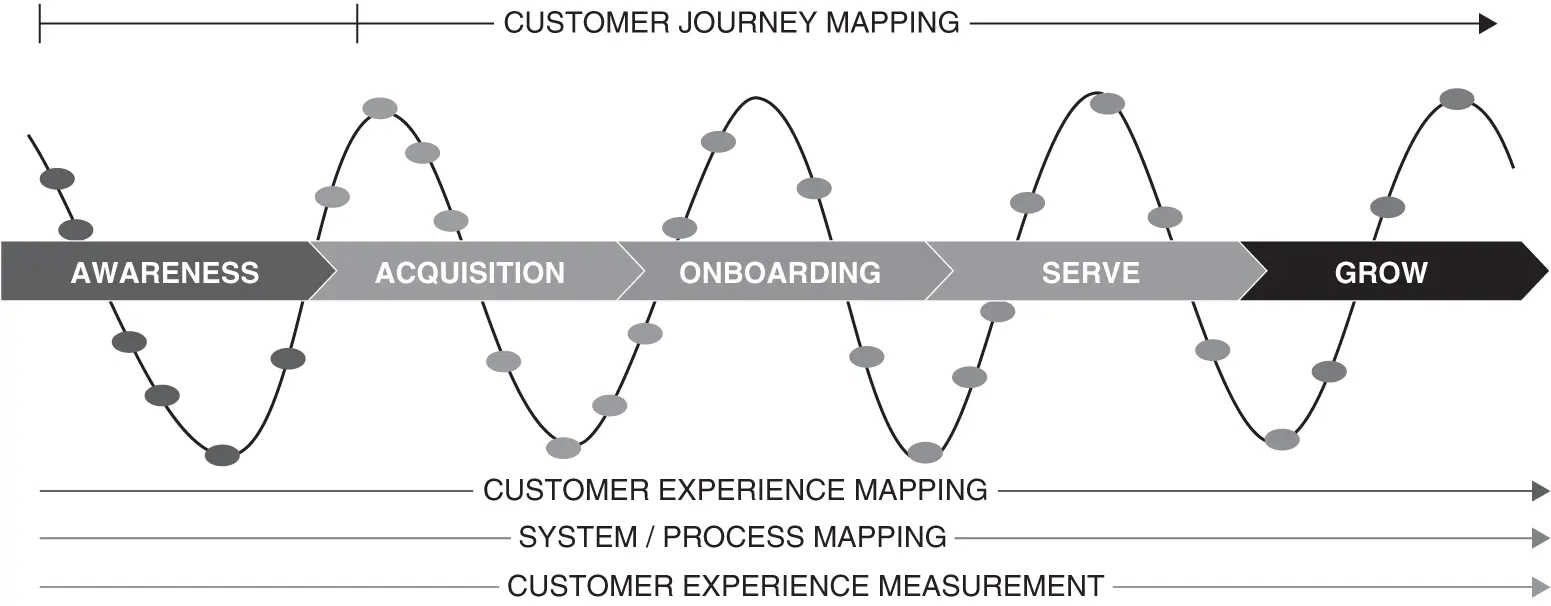
EXHIBIT 3.5A Sample Customer Journey, Mapped
Source: East Bay Group, 2021
From the company's perspective, customer life cyclestend to be continuous and linear, whereas actual customer journeys may not be. Customers tend to approach decisions in a way that may be quite convoluted. It often includes influencers, competitors, and lots of online/offline interactions. This example is a customer's decision-making process in buying an item:
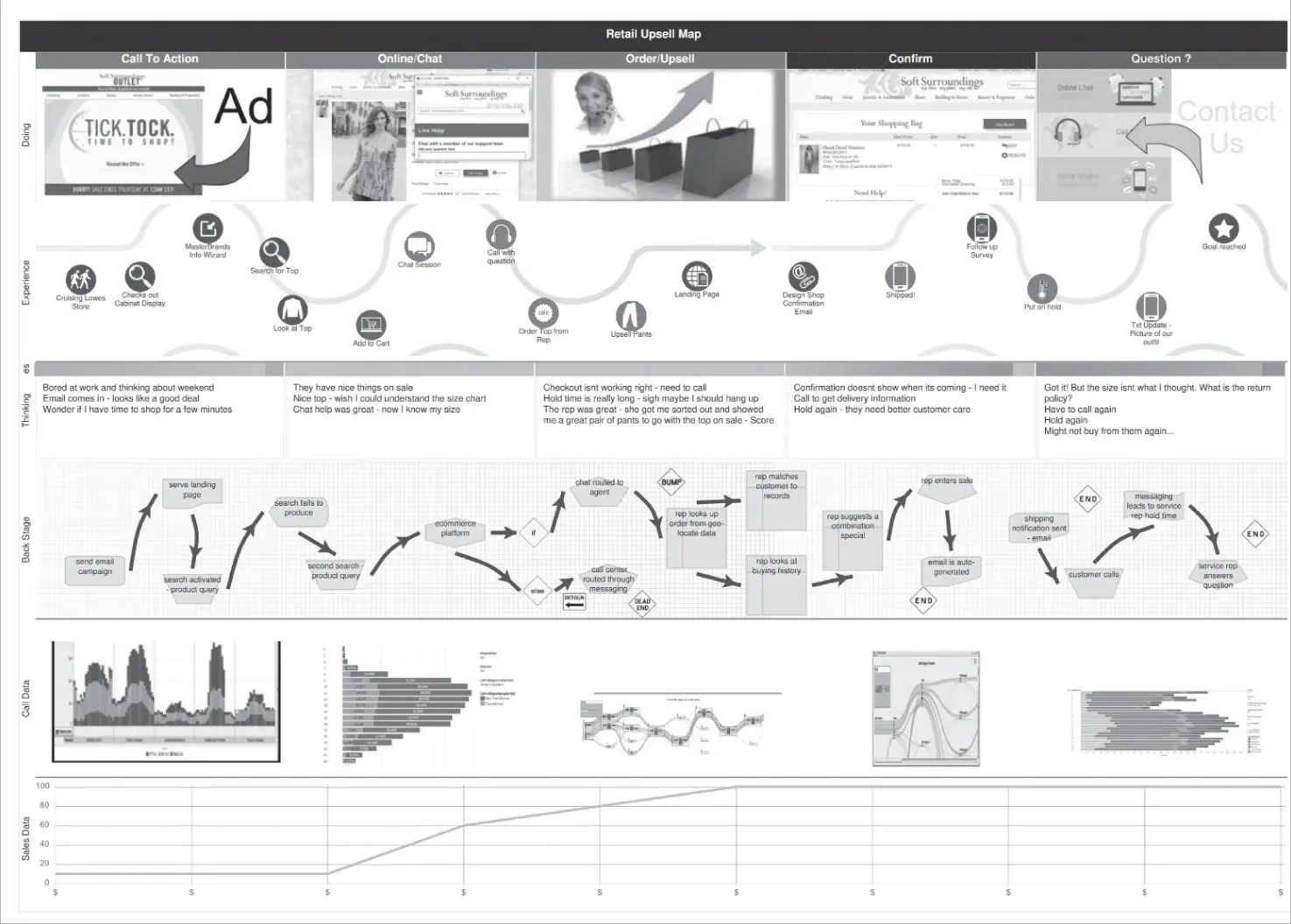
EXHIBIT 3.6A Sample Customer's Decision-Making Process
Source: East Bay Group, 2021
Using CJM, a company can create the basis for actionable, repeatable documentation of each customer group as they interact with the company from start to finish.
What Is Not Customer Journey Mapping?
Many people mistake journey mapping for an inside-out view of their interactions to a customer, not taking into account that the customer is actually doing many things invisible to the company or not actually seeing that outbound lob that a company is pushing out. Many companies also focus on their email or Web sites—the easiest place to track a customer. That results in seeing a digital clickstream that shows the company where its customers move around its mobile or digital properties. Unless that's the company's only way of interacting with its customers and vice versa, then it only sees a portion of the big picture.
CJM is also not looking at a company's database using analytics around aggregate performance or response metrics. Remember, customers are feeling beings who can think, and mapping will need to evaluate emotional elements as well as rational.
Finally, it's not the equivalent of any single-dimension measure, such as Net Promoter Scoreor a social sentiment measure. Both of these elements serve a purpose, but they tend to measure only those willing to take the time to give a company a score and don't usually measure what or why, which are critical components a decision maker needs to know to create a journey that is frictionless, simple, and effective.
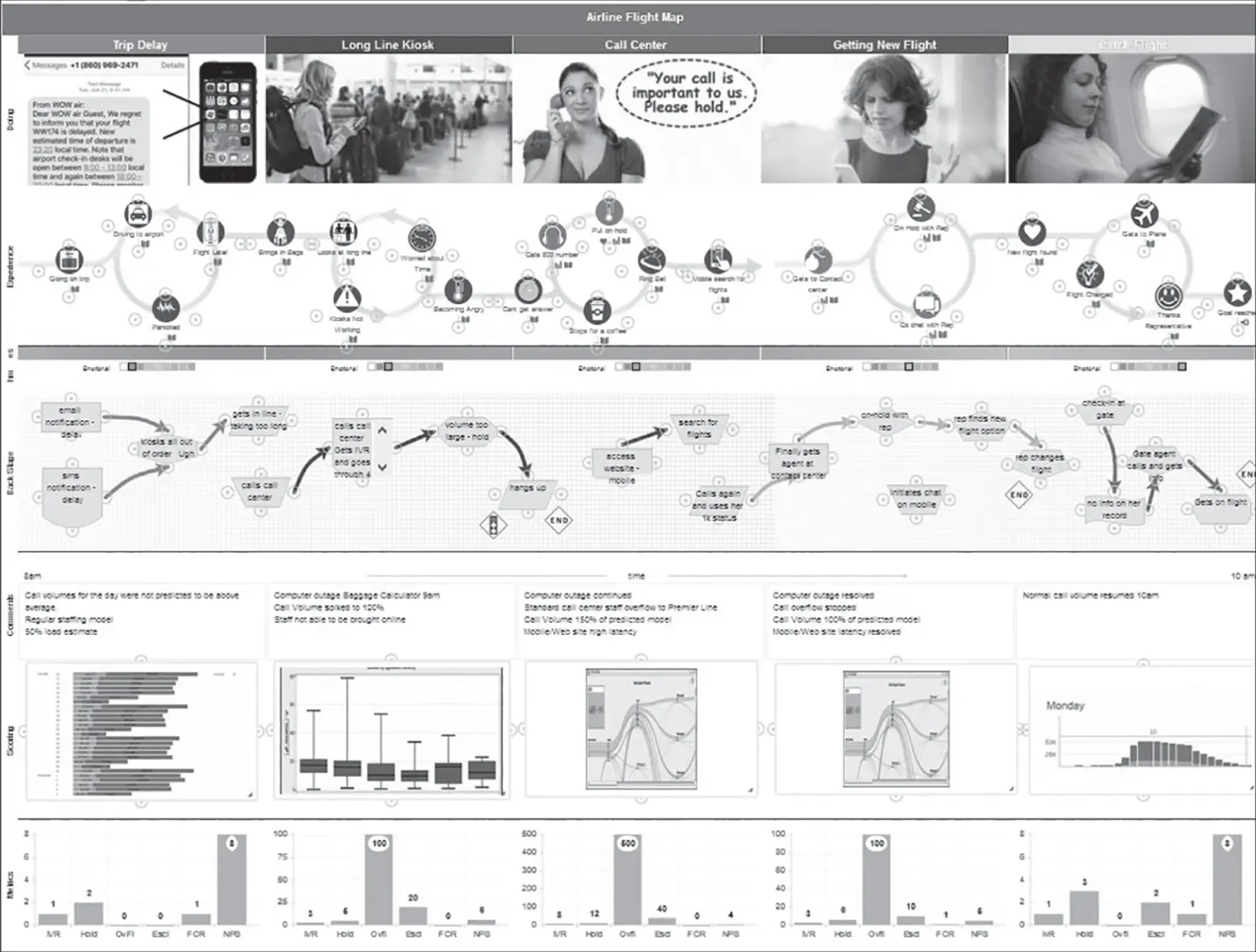
EXHIBIT 3.7Airline/Flight Customer Journey Map
Source: East Bay Group, 2021
What Makes a Good Map?
The best maps provide:
A visualization of customer interactions through many filters (emotional/ rational) organized by the customer's perspective.
A living document that evolves with the constantly changing organization it supports.
A harmonized reflection of the voice of the customer (VoC) as well as the voice of the institution (VoI) and the voice of the employee (VoE).
CJM Outcomes
The outcomes of customer journey mapping are varied. Most at least provide insights into the company that help to bring a reality forward that it's not what a company has designed and wants to sell but what the customer wants to buy. In addition, it exposes where to spend resources to ensure that the company is competitive and has its finger on the customers' pulse. Some of the more tactical outputs tend to be:
Читать дальшеИнтервал:
Закладка:
Похожие книги на «Managing Customer Experience and Relationships»
Представляем Вашему вниманию похожие книги на «Managing Customer Experience and Relationships» списком для выбора. Мы отобрали схожую по названию и смыслу литературу в надежде предоставить читателям больше вариантов отыскать новые, интересные, ещё непрочитанные произведения.











Обсуждение, отзывы о книге «Managing Customer Experience and Relationships» и просто собственные мнения читателей. Оставьте ваши комментарии, напишите, что Вы думаете о произведении, его смысле или главных героях. Укажите что конкретно понравилось, а что нет, и почему Вы так считаете.