Питер Геллер - The River
Здесь есть возможность читать онлайн «Питер Геллер - The River» весь текст электронной книги совершенно бесплатно (целиком полную версию без сокращений). В некоторых случаях можно слушать аудио, скачать через торрент в формате fb2 и присутствует краткое содержание. Город: New York, Год выпуска: 2019, ISBN: 2019, Издательство: Alfred A. Knopf, Жанр: Триллер, Путешествия и география, на английском языке. Описание произведения, (предисловие) а так же отзывы посетителей доступны на портале библиотеки ЛибКат.
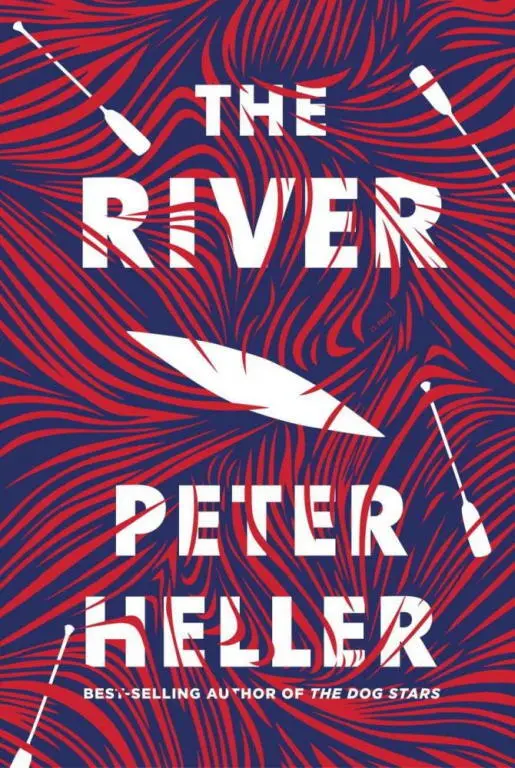
- Название:The River
- Автор:
- Издательство:Alfred A. Knopf
- Жанр:
- Год:2019
- Город:New York
- ISBN:978-0-5255-2187-7
- Рейтинг книги:4 / 5. Голосов: 1
-
Избранное:Добавить в избранное
- Отзывы:
-
Ваша оценка:
The River: краткое содержание, описание и аннотация
Предлагаем к чтению аннотацию, описание, краткое содержание или предисловие (зависит от того, что написал сам автор книги «The River»). Если вы не нашли необходимую информацию о книге — напишите в комментариях, мы постараемся отыскать её.
Wynn and Jack have been best friends since freshman orientation, bonded by their shared love of mountains, books, and fishing. Wynn is a gentle giant, a Vermont kid never happier than when his feet are in the water. Jack is more rugged, raised on a ranch in Colorado where sleeping under the stars and cooking on a fire came as naturally to him as breathing. When they decide to canoe the Maskwa River in northern Canada, they anticipate long days of leisurely paddling and picking blueberries, and nights of stargazing and reading paperback Westerns. But a wildfire making its way across the forest adds unexpected urgency to the journey. When they hear a man and woman arguing on the fog-shrouded riverbank and decide to warn them about the fire, their search for the pair turns up nothing and no one. But: The next day a man appears on the river, paddling alone. Is this the man they heard? And, if he is, where is the woman? From this charged beginning, master storyteller Peter Heller unspools a headlong, heart-pounding story of desperate wilderness survival.
The River — читать онлайн бесплатно полную книгу (весь текст) целиком
Ниже представлен текст книги, разбитый по страницам. Система сохранения места последней прочитанной страницы, позволяет с удобством читать онлайн бесплатно книгу «The River», без необходимости каждый раз заново искать на чём Вы остановились. Поставьте закладку, и сможете в любой момент перейти на страницу, на которой закончили чтение.
Интервал:
Закладка:
Jack shrugged the rifle off his shoulder and took it in both hands and surveyed the camp. The fire: a nexus of vulnerability, a target, as conspicuous as a bull’s-eye. The woman sleeping there. From here he could see the top of the wool hat, the red tassel, the outer sleeping bag moving steadily with her breath. Good. Off a ways, in the shifting light of the flames, the blue tent. At least it wasn’t yellow. Wynn inside it. He knew his buddy—he’d be sleeping like the dead. Scratch that, bite your tongue: like a log, like an angel. Jack felt himself smile. Wynn was an angel in a way. He slept usually as soon as his head hit the pillow or rolled-up jacket, he slept easily and hard because, Jack figured, his conscience was clear and he had faith in the essential goodness of the universe and so felt cradled by it.
Imagine. That’s what Jack thought. Imagine feeling that way. Like God held you in the palm of his hand or whatever. Wynn could take all the philosophy courses he wanted, and he had taken a few, and he could read the arguments of Kant, the treatises of Schopenhauer and Nietzsche, and he did, and he got really excited about them, tried to explain them to Jack, but in the end, though he did not think of himself as religious in the least, Wynn would bet all his chips on goodness. It wasn’t even a bet, was it? It was no decision at all. Like the fish who had no idea what water was: Wynn swam in it. The universe cradled him, it cradled all beings, everything would work out. Beings suffered, that sucked; he himself suffered, it certainly sucked; but step back far enough and take the long view and everything would take care of itself.
It sort of awed Jack. Sometimes, usually, it made him crazy.
He remembered visiting Wynn’s family in Putney one time. It was last fall, the fall of their junior year. Wynn’s little sister, Jess—who had clearly been a surprise to everyone, she was ten—followed them around. If they sat by the woodstove, she did, too. If Jack put in a dip, she demanded to try Skoal, and was so adamant that Jack opened the tin and said quietly, “Suit yourself. Best if you take that first one like the size of an ant.” She didn’t. She saw what he took and dug her fingers in and tucked it in her lip the way he showed her and she threw up and almost passed out. If they swapped jokes, she asked them what the Zero said to the Eight: “Nice belt!” She was such a tenacious pain in the ass that Jack couldn’t help himself and became crazy fond of her. She was brilliant, too. She had read The Hobbit in three days. She had been born with cerebral palsy and had undergone a dozen operations to lengthen tendons, and now the only visible effect was that her right hand curled and she walked with a quad cane and a limp. Jack and Wynn had gotten up from a big lunch on a windy, sunlit Saturday, with the leaves of the maples blowing onto the trails, and announced that they were going to run up Putney Mountain. Jess announced that she wanted to go, and Wynn didn’t hesitate. It awed Jack: Wynn said, “Put on your running shoes, let’s go.” He ran the two-mile climbing trail with Jess on his back, she laughing and chattering the whole way. When they got to the rocky top, which Wynn’s cousin Geordie had cleared so that they could stand on granite and look across to Monadnock and over a little cliff to Brookline Road—when they got there and caught their breath, Wynn said that they had to make a sacrifice to the volcano and told Jack to take Jess’s legs. Wynn took her arms and they swung her hard and high out over the cliff edge, counting down to the launch while she screamed and laughed hysterically.
They put her down. Jack had maybe never seen a person so happy. Wynn split up a Dairy Milk chocolate bar between them and told Jess that she really had nothing to worry about, they couldn’t really throw her off until she was twelve.
Jack looked at the tent awash in firelight and thought that if that’s the way Wynn saw, or felt, the world, then he was very lucky. Who was he to wish him otherwise?
He went back to the fire and put down the rifle and set his hand against the woman’s throat and checked her pulse as Wynn had instructed. Steady and slow, not weak. Good. Food and rest could work wonders.
He nodded off. He jerked his head up and cursed himself and he wondered how long, and he saw the Milky Way and figured he’d been asleep two hours, maybe more. The northern lights lay against the northern horizon and they pulsed and flared like the lava inside a volcano and spread in pinks and purples; he had never heard they could become those colors. Still infinitely remote and silent, like something that wanted to be forgotten and never would be. What it seemed. He thought about waking Wynn and getting some serious sleep. If the man Pierre was going to attack he would have done so by now. Probably. It was probably about two, two thirty right now; the man might be waiting for the magic ambush hour of four a.m., the hour used by police and assassins and generals worldwide, the dead of night, insomniacs’ bane, the Portal. He’d always thought of it that way: that there were portals in reality, in time and space, in geography, in seasons, when and where the dead or the very far away rubbed up against the living. It was in that hour or two before dawn, when the slip of ruddy moon was sinking like a lightship over the mesa at home, that he would hear his mother singing. That he would call to her and she would answer back in a voice as quiet as those lights.
A good time to attack because in that hour, if someone was not asleep, he was probably transported by longing as Jack was, and in some way asking to be taken. He would not be that person. He would not let Wynn be. He wished almost more than anything right then that they had some coffee, but they didn’t. A shirr and flutter in the darkness zinged him wide awake, but it was just a small flock tumbling past as if windblown. Just over the tops of the living trees.
CHAPTER FOURTEEN
At dawn, before sunup, Jack woke Wynn and they broke what there was of camp, not much, and portaged the canoe to the small shale beach below the big rapid where Jack had last seen the man. They took time and care to douse the embers of their fire with water carried in the pot, though they thought, but did not say, that it was a little like stacking a line of sandbags before a tsunami. Well. With everything seeming to fall apart, good habits were one thing to hold on to.
Wynn asked Jack if his stomach was cramping up as his was and Jack said yes. Too many blueberries and nothing else. They had only five dried meals left and they were saving them for her. On the map there was a creek entering the river just around the corner. They would stop and make a breakfast camp and fish. Wynn carried the woman this time in his arms and they loaded her without waking her, which was either a good or a bad sign, and they shoved off.
No sign of the man. Good. He had not made camp at the obvious spot below the rapid, by the first creek, he had forsworn the clear water and sandy flat for distance. Good. They had made a bed for her in the boat from fir branches and they lifted her off it and laid her on an inflated Therm-a-Rest on the sand. She was breathing steadily and she was warm inside the two sleeping bags, so they left her. Before they moved her again they might ask her to drink something, maybe sweet water.
They slipped the rods from the tubes and jointed them and strung the lines and began to fish. It was a small creek, running shallow over sand at the mouth and narrowing to a channel the color of black tea where it emerged from the trees. They smelled smoke only now and then, but when the wind was right it was strong and rank. They fished without joy now. They knew they were beginning to starve. There was no hatch of insects that they could see, which was odd on a sun-warmed morning, and no pupae on the rocks of the bed. Maybe the water was too acidic, they didn’t know, but they picked the flies with more care; they did not confer but reached into their own archives of past summer mornings on slow tannin creeks. Jack had been kept company in the night by a single cold cricket so he tied on a small hopper. He hit the leaves and stems of the grass and asters along the bank and let the hopper bounce off them and fall in like a wayward jump. Wynn used a little wooly bugger which he stripped upstream to mimic a fry or minnow. They began catching fish and they relaxed, and they kept every trout now that was bigger than their clip knives, everything that could offer a couple of bites. In less than an hour they had a panful, and they rustled together a fire and cleaned the fish.
Читать дальшеИнтервал:
Закладка:
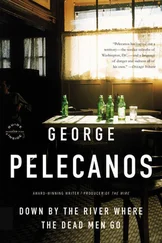
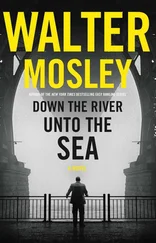
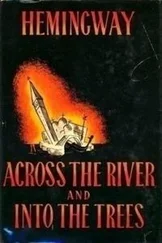
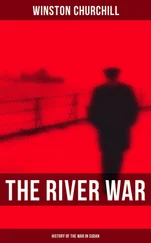
Похожие книги на «The River»
Представляем Вашему вниманию похожие книги на «The River» списком для выбора. Мы отобрали схожую по названию и смыслу литературу в надежде предоставить читателям больше вариантов отыскать новые, интересные, ещё непрочитанные произведения.


Обсуждение, отзывы о книге «The River» и просто собственные мнения читателей. Оставьте ваши комментарии, напишите, что Вы думаете о произведении, его смысле или главных героях. Укажите что конкретно понравилось, а что нет, и почему Вы так считаете.