Hedi Kaddour - Waltenberg
Здесь есть возможность читать онлайн «Hedi Kaddour - Waltenberg» весь текст электронной книги совершенно бесплатно (целиком полную версию без сокращений). В некоторых случаях можно слушать аудио, скачать через торрент в формате fb2 и присутствует краткое содержание. Год выпуска: 2009, Издательство: Vintage, Жанр: Современная проза, на английском языке. Описание произведения, (предисловие) а так же отзывы посетителей доступны на портале библиотеки ЛибКат.
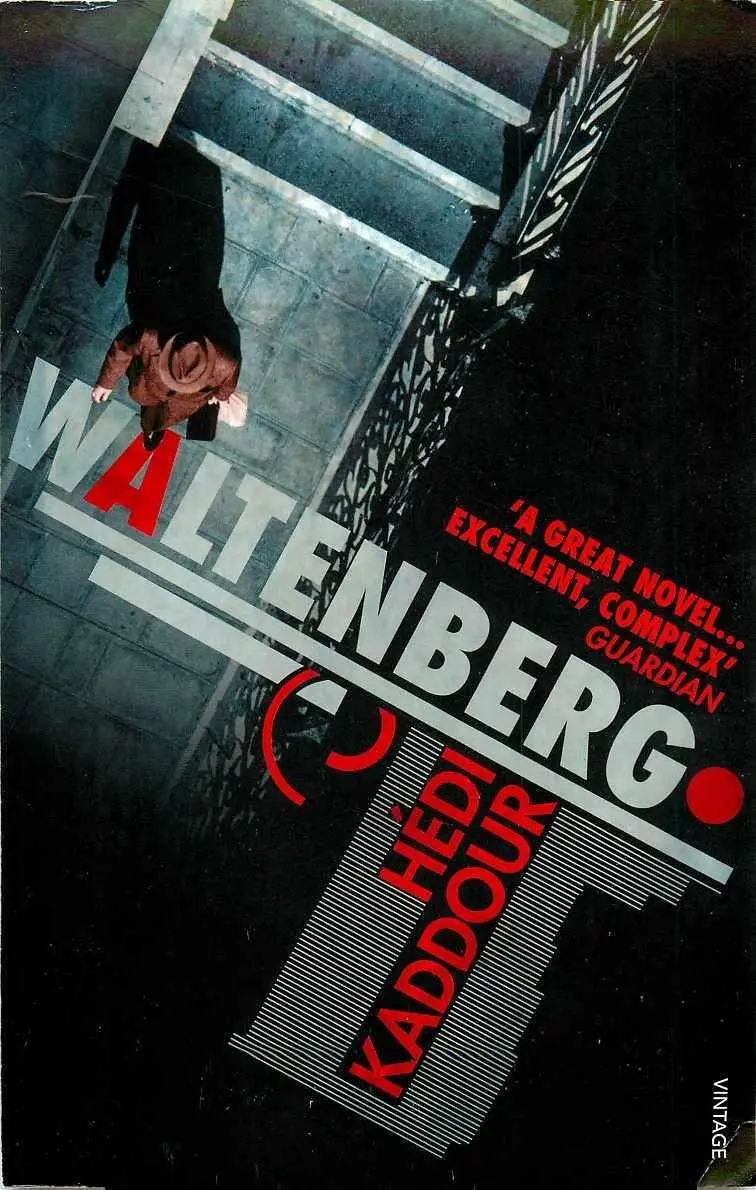
- Название:Waltenberg
- Автор:
- Издательство:Vintage
- Жанр:
- Год:2009
- ISBN:нет данных
- Рейтинг книги:3 / 5. Голосов: 1
-
Избранное:Добавить в избранное
- Отзывы:
-
Ваша оценка:
Waltenberg: краткое содержание, описание и аннотация
Предлагаем к чтению аннотацию, описание, краткое содержание или предисловие (зависит от того, что написал сам автор книги «Waltenberg»). Если вы не нашли необходимую информацию о книге — напишите в комментариях, мы постараемся отыскать её.
Waltenberg
Waltenberg — читать онлайн бесплатно полную книгу (весь текст) целиком
Ниже представлен текст книги, разбитый по страницам. Система сохранения места последней прочитанной страницы, позволяет с удобством читать онлайн бесплатно книгу «Waltenberg», без необходимости каждый раз заново искать на чём Вы остановились. Поставьте закладку, и сможете в любой момент перейти на страницу, на которой закончили чтение.
Интервал:
Закладка:
He didn’t tell de Vèze everything, he remained the low-voiced enunciator of Lena’s past, enunciating because he had to, but keeping unvoiced the things that were important to him alone, de Vèze catching only what Max allowed to go in his direction, and being happy with that because the last thing he wanted was to have to ask Max to be more specific, letting Max bask in his low murmur, with occasional glances down at the course of the Rhine, everything on the west bank made golden in the sunshine, Lena in 1914, in Berlin, received by her father’s business contacts, rich people, who know titled people who also invite her, she sings well, listens well, she is refreshing say the hostesses, she understands what’s being said, her father made her sit at the dinner table as soon as she was ten, he had many Europeans come to the house.
She knows exactly what expression to put on her face when a man starts talking politics, the pupil who is bored and the pupil who listens, that’s how she learned, her big eyes slow and bored or wide and alert depending on what people tell her, and the men who talk to her have only one desire which is to see her eyes change from bored to bright, they stop caring about what they say and only about the way she listens to them, she never hesitates to interrupt, switching from one subject to another, the content is of no interest to her.
It pleases the Germans to see an American woman who is not hostile, she even goes so far as to pull her hair back behind her right ear, they admire her right ear and her fine head of red hair, they don’t dare admit to themselves what they would like to do to that right ear, they talk and talk just to see her smile and do that again, her hair, the lobe which reappears, can you imagine, a woman who dares touch her body in public, she doesn’t care, she’s American, when she gets bored with a man it’s painful, you’re there with your suit or your uniform, your titles, respected, and this American looks at you as though you were an old tin can.
Mademoiselle Hellström is a test, when you speak in front of other people, the other people listen to you, out of respect, she’s the only one among them who focuses solely on your face and your intelligence, with all the others it’s just manners, so when you’re with her you talk, sometimes she smiles at you and does that thing with her hair, apparently her perfume is French, she tells everyone that her perfume comes from America but in fact it’s more likely to be some bergamot-based French aphrodisiac perfume, no, I’ve not worn ‘Jicky’ since the war, seems in it there’s plum-tree evernia, vetiver and a hint of leather, an American woman, in Berlin, who touches her hair and her ear in the company of men and once a week takes tea at the American Embassy.
She tells her German friends she doesn’t much like going, but that she has to because of her exit-visa from the USA, as a matter of fact the Ambassador is a friend of her father and President Wilson, all three graduates of Princeton, the Ambassador finds his chats with Lena very enlightening, he sends regular cables to the White House, in time Lena found out a great many things, about the politics of the Reich, about the blockade, about forthcoming changes in the Imperial General Staff, they say Americans are slow on the uptake, maybe Lena does not fully understand everything she repeats to the Ambassador but it’s pure gold, she sings in German drawing rooms for their pleasure, and one day for her pleasure, they tip her off.
She must go, without delay, leave the Reich, things are going to get worse and worse, she goes back to Switzerland in 1917 on the eve of America’s entry into the war, she stays in Switzerland, she is unhappy, she continues to move in diplomatic circles, complains about the stupid war, she maintains a level of nostalgia for the Belle Époque, she rarely sees Germans these days, but lots of Swedes and a few Brazilians who do see Germans, and she also sees the United States Ambassador at Berne, she stays in Switzerland until the end of the war.
At the time of the Armistice she goes back to America, once more calls herself Hellström, she has agreeable discussions with presidential advisers, begins to appreciate exactly what she’s doing, and she does it better and better, she also sings better and better, throaty voice, strange, her drawing-room conversation is more or less unremarkable, large mouth, large eyes, but when she sings it is as though that voice has been touched by the sorrows of the whole wide world, in Washington another of her father’s friends asks her if she wouldn’t like to return to Europe, go back to France, Paris, Versailles.
She sets sail, she is invited into the salons of French ladies, the ladies who love to play ducks and drakes with politics through their ministerial lovers, she also runs across German friends who tell her things in confidence, a group of young Englishmen around an economist, an eccentric, name of Maynes, he disapproves of the fact that the French and the English insist on making Germany pay exorbitant war reparations, he’s brilliant, it’s so pleasant to go out with you, dear Lena, you attract them, he’s homosexual, she’s very fond of him.
In the end she gets to know all about the in-fighting within each delegation, French, English, German, she passes it all on to Wilson, when he comes to France they think he’s very naive but he knows everything, you’re doing a terrific job, dear Lena, I’d like you to do me a favour, it’s not Lena who is asking for something in return for all she does for the United States, but her President who is asking her for a favour, let me come to one or two of your rehearsals, that’s Lena’s reward, in Paris: a President who sits in a corner and makes himself very small while she works on her singing, that’s all.
Max doling out a part of all this to de Vèze, voice low, lingering occasionally upon a desire, he would like to write a piece on that celebrated Congress of Versailles, Lena in implausible hats, her expertise in any discussion about frontiers, the rights of people and the payment of war debts.
In the twenties it seems she put a temporary stop to these little parallel activities, she doesn’t like the Republicans, Coolidge, Harding, Hoover, she comes from a Democrat background, the new Europe scares her a little, she re-immerses herself in things American, concentrates on her singing, she was present at the great Waltenberg Seminar of 1929, but only in her capacity as a singer.
Max says to de Vèze:
‘One of these days you must ask our good friend Lilstein to tell you about Lena, Hans was her lover for a year, Lilstein never was, neither of them ever got over it.’
‘What about you, Max?’
De Vèze could not contain himself, he has made the mistake of interrupting Max, he regrets it immediately.
‘If you had a half-decent intelligence service, Ambassador, you’d know, it’s as if I were to ask you whether Madame Morel said yes in the end, what would you reply?’
De Vèze got off lightly, a crude mention of Muriel, he does not take offence, the main thing is that Max should go on with his tale, de Vèze takes particular care not to make Max take up where he left off, he concentrates on flying the plane, then hands the controls back to the pilot but doesn’t dare turn round to look at Max, who gazes down at the landscape lost in his thoughts and slowly resumes because he’d feel bad now if he failed to make the most of the opportunity to relive those years, no doubt it was Roosevelt who asked Lena to go back to Europe, in 1933, to Germany primarily, the moment Hitler took over, she is very much in favour at court, as they say, not the innermost circle maybe, not always, but she works prodigiously hard.
In Berlin a radio operator has been placed at her disposal, an Australian, that’s right, an Aussie who works for the Intelligence Service, it was the English who supplied the radio operator, because Roosevelt did not trust his own services, people reluctant to intercept German or Japanese communications, a gentleman simply doesn’t do that, it was the English who taught them to be gentlemen but they at least have no qualms about spying, Lena regularly contacts her radio man, nothing ever written down, she gives him a few sentences, off he goes, encodes, transmits.
Читать дальшеИнтервал:
Закладка:
Похожие книги на «Waltenberg»
Представляем Вашему вниманию похожие книги на «Waltenberg» списком для выбора. Мы отобрали схожую по названию и смыслу литературу в надежде предоставить читателям больше вариантов отыскать новые, интересные, ещё непрочитанные произведения.









Обсуждение, отзывы о книге «Waltenberg» и просто собственные мнения читателей. Оставьте ваши комментарии, напишите, что Вы думаете о произведении, его смысле или главных героях. Укажите что конкретно понравилось, а что нет, и почему Вы так считаете.