Amy Greene - Long Man
Здесь есть возможность читать онлайн «Amy Greene - Long Man» весь текст электронной книги совершенно бесплатно (целиком полную версию без сокращений). В некоторых случаях можно слушать аудио, скачать через торрент в формате fb2 и присутствует краткое содержание. Год выпуска: 2014, Издательство: Knopf, Жанр: Современная проза, на английском языке. Описание произведения, (предисловие) а так же отзывы посетителей доступны на портале библиотеки ЛибКат.
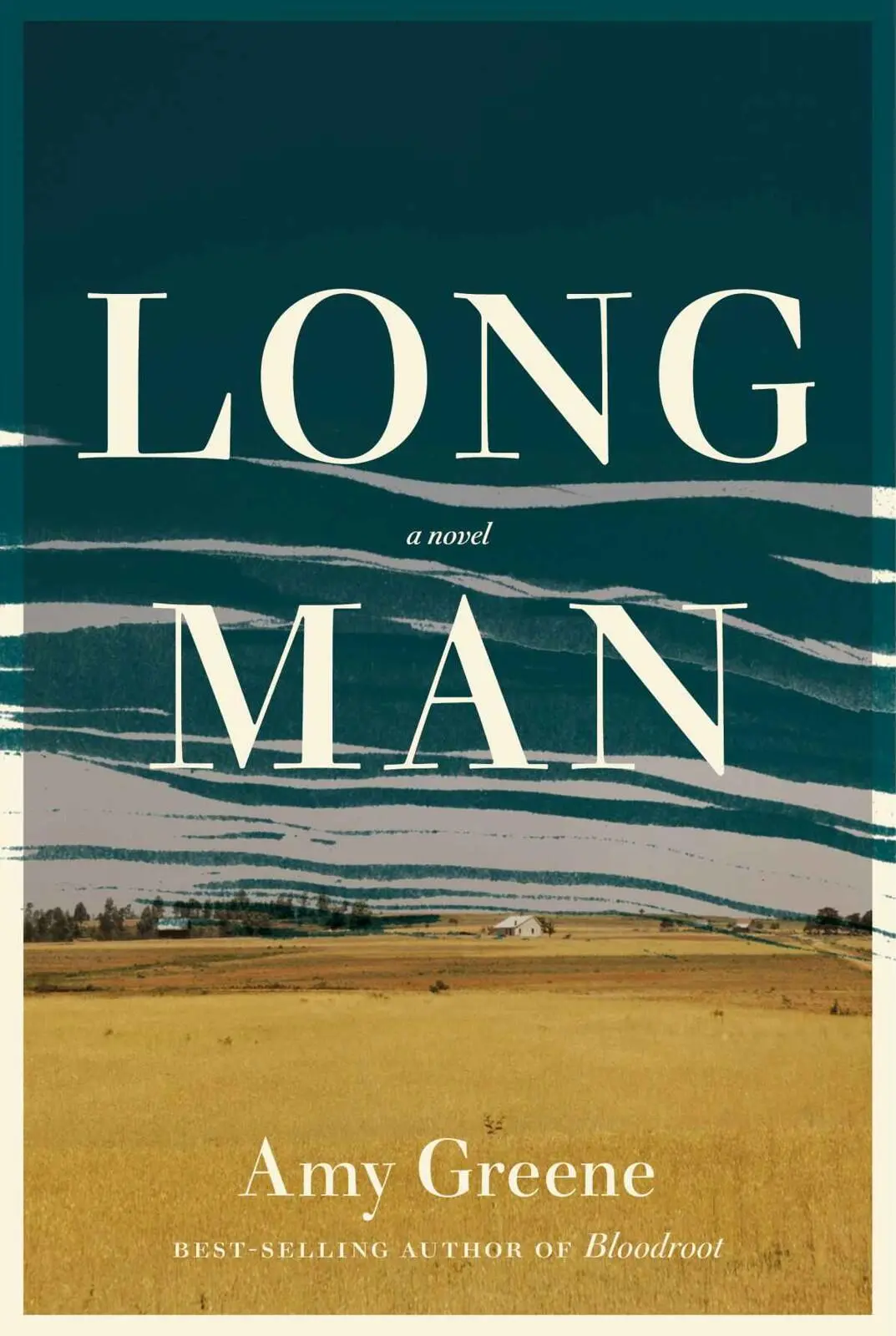
- Название:Long Man
- Автор:
- Издательство:Knopf
- Жанр:
- Год:2014
- ISBN:нет данных
- Рейтинг книги:5 / 5. Голосов: 1
-
Избранное:Добавить в избранное
- Отзывы:
-
Ваша оценка:
Long Man: краткое содержание, описание и аннотация
Предлагаем к чтению аннотацию, описание, краткое содержание или предисловие (зависит от того, что написал сам автор книги «Long Man»). Если вы не нашли необходимую информацию о книге — напишите в комментариях, мы постараемся отыскать её.
Long Man — читать онлайн бесплатно полную книгу (весь текст) целиком
Ниже представлен текст книги, разбитый по страницам. Система сохранения места последней прочитанной страницы, позволяет с удобством читать онлайн бесплатно книгу «Long Man», без необходимости каждый раз заново искать на чём Вы остановились. Поставьте закладку, и сможете в любой момент перейти на страницу, на которой закончили чтение.
Интервал:
Закладка:
But the river as Beulah knew it was gone. She moved on from what it was becoming, a flood seeping into her shoes and wetting her rolled-down stockings. About two miles from the Walker farm she came to a truck mired along the shoulder to its running boards. She recognized James Dodson’s Model A Ford and stopped to see if he was close by. She listened for the searchers she’d heard calling through the night but their voices had abated. A little farther down the road she met a party of men walking and they tipped their hats at her. She could read the defeat in their postures. She knew how much they wanted to find the child alive, especially the townspeople who had returned from other counties. She understood what it would have meant to them. Now the search had become one last disappointment. She’d seen the same thing in Ellard’s long face. He had given up on finding Gracie, maybe even before he started looking for her. At least Beulah had helped him in some small way, though she doubted he would get much satisfaction from Amos. She ducked her head as she rushed past the Hankins property and the thorny wood where her son would be arrested, if he wasn’t already locked up in the courthouse basement. He had been content camping there, close enough to the river that when it left its banks all manner of useful junk washed up and got snared in the vines at the foot of the bluff. Amos might have hidden there comfortably until the lake flooded him out if not for Beulah.
She kept her eyes on the road as she passed the demolished and burned-down houses of Yuneetah. Seeing the destruction she felt the souls of those who built the town from its foundation and died within its boundaries. The settlers who wasted away from starvation and disease, the Rebel and Union soldiers, the farmers who dropped in the boiling heat of cotton fields and tobacco rows, the mothers who died in the sweat of childbed fever, the elders who went in their sleep at the end of long lives with loved ones holding their hands. It was the last time she’d travel this way, her last trip to town. But Amos mattered more to her than anything else right now. She was out of breath before she made it to the square, her legs and back aching. When she reached the courthouse and saw that the sheriff wasn’t parked out front she went up the broad steps and heaved herself down to wait under the portico. The sidewalk was deserted besides a car and two trucks alongside the curb, bathed shiny with the overcast sun lighting their beaded cabs. Beulah could remember when the town had no sidewalks. When the square was made of dirt, a rain like this had turned it into a hoof-printed sump, the horses people rode then wearing crusty mud boots. She hadn’t been here since spring, before everybody cleared out. She’d gone into McCormick’s to see some of her neighbors off, having birthed them and their babies. She sat at the counter and with a nickel of her dwindling savings ordered a piece of cherry pie. Now the cafe’s plate-glass window was broken. She looked out at the neat buildings lined up in a row, red brick with white-painted moldings, awnings darkening their boarded facades. Sitting there in her funeral dress, saddened by the emptiness of the main street, she began to fear something had gone wrong. She prayed she’d done the right thing by turning Amos in.
When Beulah saw Ellard’s car coming at last, a red light revolving on its roof, she got to her feet. As he pulled up to the steps and switched the motor off she noticed through the blurred windshield someone sitting beside him in the front seat. Ellard got out and went around the car to open a rear door. At the same time the man on the passenger side almost tripped onto the sidewalk. It was James Dodson. She knew her fears had been founded. Something had gone wrong, but she couldn’t understand exactly what. Then she saw that Ellard was pulling her boy out of the backseat by the arm and her fingers went to her pouch of bones. She stood there clutching the pouch as Ellard led Amos up the courthouse steps with his hands cuffed behind him. When they reached the top Amos lifted his chin, hatless with his hair wetted sleek. Beulah sucked in a breath. His face was beaten misshapen. His lips mashed against his teeth, his nose bent, his eyebrow gashed, blood caked at his hairline. And yet he seemed unruffled as ever. Ellard was the one who looked shaken. James Dodson shambled up the steps behind them with his skinned fists hanging at his sides like he had taken the beating. When Beulah found the voice to ask Ellard what happened he turned to her and said, “He’s lucky I didn’t blow his head off.”
She didn’t follow them right away into the courthouse. She watched them disappear behind the double doors, afraid to find out what damage she had caused. It took a moment to collect herself and walk in through the entrance hall, past the mahogany staircase and the bulletin boards tacked with old notices, her shoes squeaking on the checkerboard tiles. She stopped and stood in the middle of the confusion with nobody paying attention to her. The constable that had questioned Beulah last night shuffled Amos to a desk in the corner scattered with papers beneath a map of the county. James Dodson sat on a bench against the wall holding his head in his hands, the curve of his back rouged by the stained-glass fanlights above the windows. Ellard walked over to a high counter where uniformed men from other police departments were operating a shortwave radio. Beulah tried to make sense of what he was telling these lawmen about bones in a cave, saying they needed to get somebody down to the Hankins woods to collect the remains. She thought at first he was talking about Gracie, but then one of the others mentioned contacting someone from the college in Knoxville to determine the age of the bones. She stood there for some unknown amount of time. Her eyes found the wall clock but it had run down. The calendar above the file cabinets hadn’t been changed since April either, as if the town had ceased to exist when the dam gates closed. Unable to stay on her blistered feet any longer, Beulah went to the bench and sat beside James. She touched his back through his coat but he didn’t lift his head.
Then she noticed the constable rising from behind the desk in the corner, steering Amos still handcuffed toward the stairwell leading down to the basement. She got up as quick as she could and hurried after them, too old to keep up. They went down two flights of stairs and a hall lined with shelves of moldering volumes labeled CRIMINAL MINUTES, their aged bindings unraveling and strings trailing from their broken spines, on past the door to a vault that held county records she supposed would be thrown away for all they mattered to the power company. At the end of the hall they came to the only cell. It looked hardly wide enough to turn around in, with a concrete floor and cinder-block walls, a bunk with a thin woolen blanket folded on top. The constable glared at Beulah as he opened the door. She knew he wasn’t fond of her since she’d refused to talk to him about Amos. After it clanged shut Amos backed up to the bars to have the handcuffs removed. When they were left alone he took a seat on the bunk and turned his beaten face to Beulah. She couldn’t keep from crying. “How come them to hurt you this way?”
“They didn’t give me a reason,” he said.
Beulah fished a handkerchief from her pocket. “What are they so wrought up over?”
Amos blinked at her between the bars. “They found some bones.”
“A child’s bones?”
“Yes.”
“A skeleton?”
He nodded.
“Where at?”
“Same place you found me.”
“How did they know where to look?”
“I showed them.”
Beulah mopped at her eyes. “How did you know where to look, then?”
Amos winced as he leaned against the cinder-block wall. “It’s been in there ten years or longer. Every time I get back a few more bones are carried off. But I’ve left it alone.”
Читать дальшеИнтервал:
Закладка:
Похожие книги на «Long Man»
Представляем Вашему вниманию похожие книги на «Long Man» списком для выбора. Мы отобрали схожую по названию и смыслу литературу в надежде предоставить читателям больше вариантов отыскать новые, интересные, ещё непрочитанные произведения.












Обсуждение, отзывы о книге «Long Man» и просто собственные мнения читателей. Оставьте ваши комментарии, напишите, что Вы думаете о произведении, его смысле или главных героях. Укажите что конкретно понравилось, а что нет, и почему Вы так считаете.