Nathan Hill - The Nix
Здесь есть возможность читать онлайн «Nathan Hill - The Nix» весь текст электронной книги совершенно бесплатно (целиком полную версию без сокращений). В некоторых случаях можно слушать аудио, скачать через торрент в формате fb2 и присутствует краткое содержание. Год выпуска: 2016, Издательство: Knopf, Жанр: Современная проза, на английском языке. Описание произведения, (предисловие) а так же отзывы посетителей доступны на портале библиотеки ЛибКат.
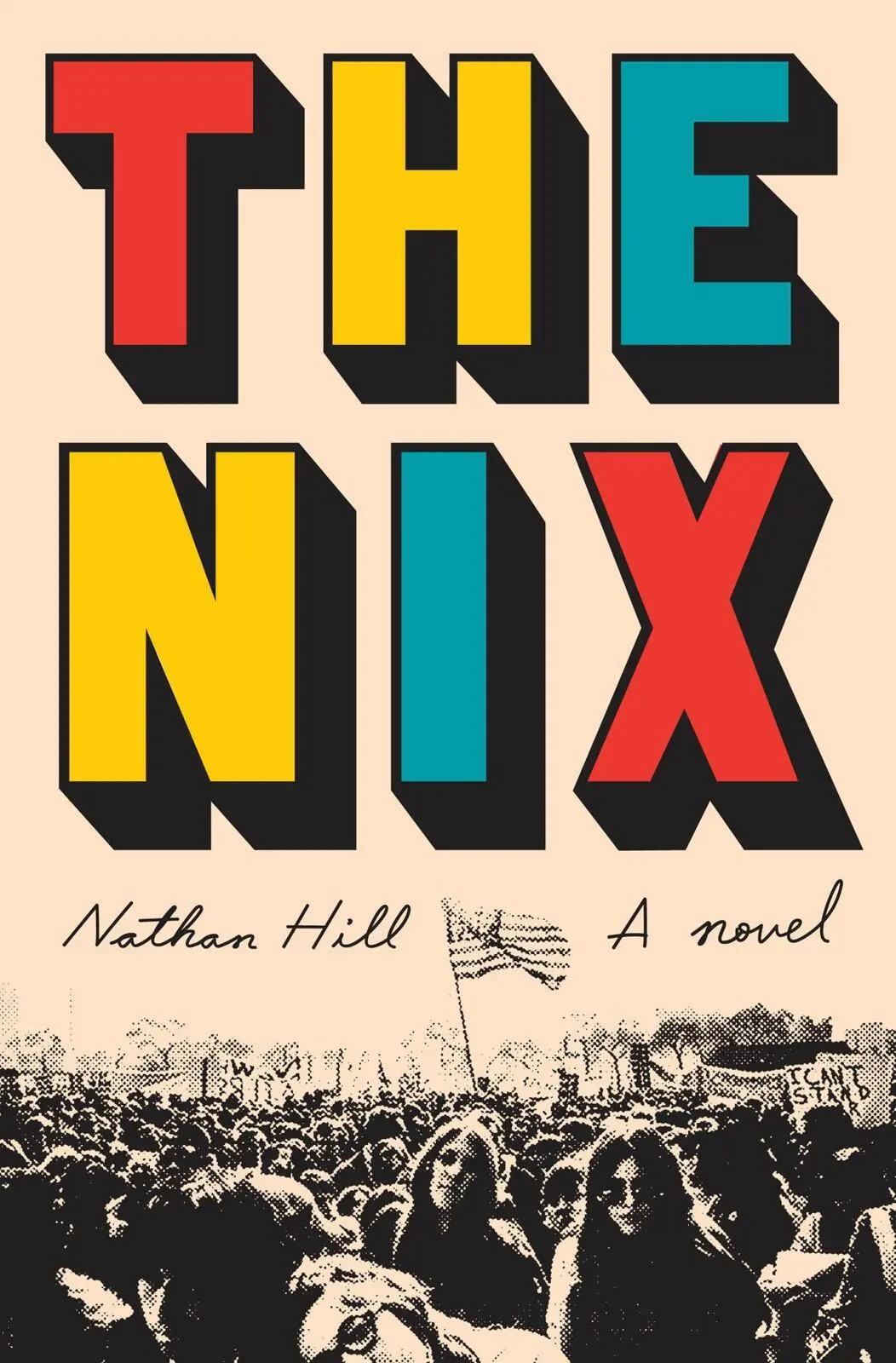
- Название:The Nix
- Автор:
- Издательство:Knopf
- Жанр:
- Год:2016
- ISBN:нет данных
- Рейтинг книги:5 / 5. Голосов: 1
-
Избранное:Добавить в избранное
- Отзывы:
-
Ваша оценка:
The Nix: краткое содержание, описание и аннотация
Предлагаем к чтению аннотацию, описание, краткое содержание или предисловие (зависит от того, что написал сам автор книги «The Nix»). Если вы не нашли необходимую информацию о книге — напишите в комментариях, мы постараемся отыскать её.
As Samuel begins to excavate her history, the story moves from the rural Midwest of the 1960s to New York City during the Great Recession and Occupy Wall Street to the infamous riots at the 1968 Chicago Democratic National Convention, and finally to Norway, home of the mysterious Nix that his mother told him about as a child. And in these places, Samuel will unexpectedly find that he has to rethink everything he ever knew about his mother — a woman with an epic story of her own, a story she kept hidden from the world.
The Nix — читать онлайн бесплатно полную книгу (весь текст) целиком
Ниже представлен текст книги, разбитый по страницам. Система сохранения места последней прочитанной страницы, позволяет с удобством читать онлайн бесплатно книгу «The Nix», без необходимости каждый раз заново искать на чём Вы остановились. Поставьте закладку, и сможете в любой момент перейти на страницу, на которой закончили чтение.
Интервал:
Закладка:
He checked the Elfscape servers. Still down.
It was like waiting out an airline delay, he thought, that urgency one felt at the airport, knowing people who love you are waiting at another airport, and the only thing keeping you from them is some intractable failure of technology. It felt like that, these Patch Days: Whenever he logged on after hours of delay, it felt like he’d gone home. It was hard to ignore this feeling. It was hard not to feel conflicted about it. It was a little troubling that when he thought about the vistas of Elfscape —the animated, digitally rendered rolling hills and misty forests and mountaintops and such — they struck him with the force of real memory. That he had a nostalgia and fondness for these places that outpaced the fondness he had for the real places in his life — this was complicated for him. Because he knew in some way the game was all false and illusory and the places he “remembered” didn’t really exist except as digital code stored on his computer’s hard drive. But then he thought about this time he climbed to the top of a mountain on the northern edge of Elfscape ’s western continent and watched the moon rise over the horizon, watched the moonlight sparkle off the snow, and he thought it was beautiful, and he thought about how people talked about feeling transported by works of art, standing in front of paintings feeling hopelessly persuaded by their beauty, and he decided there was really no difference between their experience and his experience. Sure, the mountain wasn’t real, the moonlight wasn’t real, but the beauty? And his memory of it? That was real.
And so Patch Days were a unique horror because he was cut off from his source of wonder and beauty and surprise and was forced, sometimes for a whole day, to confront his normal everyday analog existence. And all week he’d been thinking about how to occupy his Tuesday so that the intolerable gap between waking up and logging on was more tolerable. Things to do that would make the time go by more quickly. He started a list on his smartphone, a “Patch Day To-Do List,” so that he could record any thought he might have during the week regarding ways to make Patch Day more pleasant and endurable. The list contained, so far, three items:
1. Buy health food
2. Help Dodger
3. Discover great literature
That last item had been on his to-do list every week for six months, ever since he saw a sign at a nearby mega bookstore that said DISCOVER GREAT LITERATURE! and he’d put it on the list. He told the phone to repeat it, to put it on every weekly list thereafter, because he’d always wanted to be a reader, and he thought the whole curled-up-snugly-all-afternoon-with-a-cup-of-tea-and-a-good-book thing was a really excellent image to project about oneself online. Plus if Lisa ever happened to secretly check his phone’s to-do list in a moment of curiosity or obsessional divorce regret, he was pretty sure she would approve of “Discover great literature” and maybe realize he was really changing as a person and want to take him back.
However, in six months he had discovered no literature whatsoever, great or otherwise. And every time he thought about discovering great literature, the effort made him feel tired, spent, boggy-headed.
So then there was item number one: Buy health food.
He had tried this already. Last week, he had finally entered the organic grocery store after having cased it from the street for several days watching people going in and out and quietly judging them for their yuppie elitist privileged lifestyle and their skinny hipster clothes and electric cars. It seemed necessary for him to construct an elaborate mental bulwark like this before even entering the organic grocery store because the more he sat in his car outside the store judging the customers the more he was convinced they were judging him too. That he wasn’t hip enough, or fit enough, or rich enough to shop there. In his mind he was the protagonist of every story, the center of everyone’s appalling attention; he was on display and out of place; the store was a panopticon of sneering, abusive judgment. He carried on long imaginary dialogues with the idealistic cashiers who were the gatekeepers between the food and the exits, explaining to them how he wasn’t shopping there because it was the trendy thing to do but rather because it was coldly absolutely medically necessary according to the rules of his radical new diet plan. And whereas the other customers were there only out of fidelity to some hip movement — like the organic movement or the Slow Food movement or the locavore movement or whatever — he was there because he needed to be there, making him actually a more authentic shopper than they were, even if he did not per se fit the image of the typical customer according to the store’s elaborate branding campaign. And so after several dozens of these practice dialogues he felt prepared and strong-willed enough to enter the grocery store, where he crept around and very quietly purchased the exact organic replicas of what he usually bought at the 7-Eleven down the street: canned soups, canned meat products, white bread, energy bars, frozen and reheatable pizza and dinner things.
And when he was unloading his cart at the checkout he felt a brief surge of belongingness that nobody had challenged his presence there or really even looked at him twice. That is, until the cashier — this cute girl with hip square glasses who was probably a grad student in ecology or social justice or something like that — looked at his boxed and frozen and canned food items and said “Looks like you’re stocking up for a hurricane!” and then laughed lightly as if to say Just kidding! before bwooping the stuff over the laser scanner. And he smiled and halfheartedly chuckled but could not shake for the rest of the day the feeling of having been judged harshly by the cashier, who was not so subtly telling him his food purchases were unfit for consumption except in the most dire circumstances, such as apocalypse.
Point taken. On his next visit he bought only fresh things. Fruits, vegetables, meats wrapped in wax paper. Only things perishable, easily spoilable, and even though he had no earthly idea how to prepare the food, he felt healthier just buying it, just having it nearby, having people see him with it, like being on a date with someone extraordinarily attractive, how you want to go to public places with that person, he felt the same about his cart full of shiny eggplants and corn and various green growing things: arugula, broccoli, Swiss chard. It was so beautiful. And when he presented his food to this same cute cashier at the front of the store he felt like a child giving his mother a card he made at school.
“Did you bring a bag?” she said.
He stared at her, not fully comprehending the question. A bag for what?
“No,” he said.
“Oh,” she said, disappointed. “We encourage all our customers to bring reusable bags. You know, to save paper?”
“Okay.”
“Plus you get a rebate,” she said. “For every bag you bring, you get a rebate.”
He nodded. He was no longer looking at her. He was instead looking at the cash register’s video screen. He was pretending to very carefully analyze the price of each food item to ensure he wasn’t overcharged. The cashier must have sensed his unease and his feeling of having been scolded (again) and so tried to diffuse the situation with a change of subject: “Whaddya gonna do with all this eggplant?”
But this did not diffuse the situation at all because the only answer he was capable of giving was the true one: “I don’t know.” And then when the cashier girl seemed sort of disappointed by this answer he added: “Maybe, like, a soup?”
Читать дальшеИнтервал:
Закладка:
Похожие книги на «The Nix»
Представляем Вашему вниманию похожие книги на «The Nix» списком для выбора. Мы отобрали схожую по названию и смыслу литературу в надежде предоставить читателям больше вариантов отыскать новые, интересные, ещё непрочитанные произведения.





Обсуждение, отзывы о книге «The Nix» и просто собственные мнения читателей. Оставьте ваши комментарии, напишите, что Вы думаете о произведении, его смысле или главных героях. Укажите что конкретно понравилось, а что нет, и почему Вы так считаете.