Джеффри Арчер - The Prodigal Daughter
Здесь есть возможность читать онлайн «Джеффри Арчер - The Prodigal Daughter» весь текст электронной книги совершенно бесплатно (целиком полную версию без сокращений). В некоторых случаях можно слушать аудио, скачать через торрент в формате fb2 и присутствует краткое содержание. Город: London, Год выпуска: 1982, ISBN: 1982, Издательство: Hodder and Stoughton, Жанр: Современная проза, на английском языке. Описание произведения, (предисловие) а так же отзывы посетителей доступны на портале библиотеки ЛибКат.
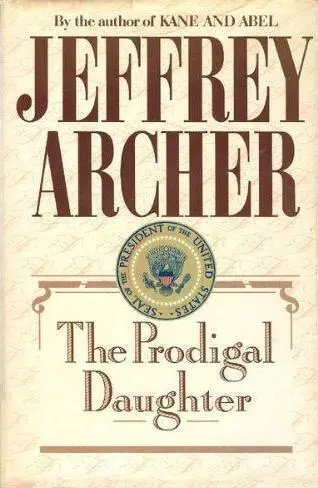
- Название:The Prodigal Daughter
- Автор:
- Издательство:Hodder and Stoughton
- Жанр:
- Год:1982
- Город:London
- ISBN:978-0-340-27687-7
- Рейтинг книги:5 / 5. Голосов: 1
-
Избранное:Добавить в избранное
- Отзывы:
-
Ваша оценка:
The Prodigal Daughter: краткое содержание, описание и аннотация
Предлагаем к чтению аннотацию, описание, краткое содержание или предисловие (зависит от того, что написал сам автор книги «The Prodigal Daughter»). Если вы не нашли необходимую информацию о книге — напишите в комментариях, мы постараемся отыскать её.
Golden boy Richard Kane was born into a life of luxury. The scion of a banking magnate he is successful, handsome, and determined to carve his own path in the world-and to build a future with the woman he loves.
With Florentyna’s ultimate goal only a heartbeat away, both are about to discover the shattering price of power as a titanic battle of betrayal and deception reaches out from the past-a blood feud between two generations that threatens to destroy everything Florentyna and Richard have fought to achieve.
The Prodigal Daughter — читать онлайн бесплатно полную книгу (весь текст) целиком
Ниже представлен текст книги, разбитый по страницам. Система сохранения места последней прочитанной страницы, позволяет с удобством читать онлайн бесплатно книгу «The Prodigal Daughter», без необходимости каждый раз заново искать на чём Вы остановились. Поставьте закладку, и сможете в любой момент перейти на страницу, на которой закончили чтение.
Интервал:
Закладка:
While she was leaning on the rail at the back of the chamber waiting for the vote on the final passage of her amendment, he told her that he hoped she would run for the Senate seat.
‘You’re only saying that because you want to see me out of this place.’
He chuckled. ‘That would have been one compensation, I must admit, but I don’t think you can stay here much longer if you’re destined to live in the White House.’
Florentyna looked at him in astonishment. He didn’t even glance toward her but continued to gaze into the packed chamber.
‘I have no doubt you’ll get there. I just thank God I won’t be alive to witness your inauguration,’ he continued before going off to vote for Florentyna’s amendment.
Whenever Florentyna went to Chicago she avoided the question of her candidacy for the Senate, although it was obviously on everyone else’s mind. Edward pointed out to her that if she did not run this time it might be her last chance for twenty years because Ralph Brooks was still only forty-four and it would be virtually impossible to defeat him once he was the incumbent.
‘Especially when he has “the Brooks charisma,” ’ mocked Florentyna in reply. ‘In my case,’ she continued, ‘who would be willing to wait twenty years?’
‘Harold Stassen,’ Edward replied.
Florentyna laughed. ‘And everyone knows how well he did. I’ll have to make up my mind one way or the other before I speak to the Vietnam Vets.’
Florentyna and Richard were spending the weekend at Cape Cod and were joined by Edward on Saturday evening.
Late into the night they discussed every alternative facing Florentyna as well as the effect it would have on Edward’s work at the Baron if he was to head up the campaign. When they retired to bed in the early hours of Sunday morning they had come to one conclusion.
The International Room of the Conrad Hilton was packed with two thousand men, and the only other women in sight were waitresses. Richard had accompanied Florentyna to Chicago and was seated next to Senator Tower. When Florentyna rose to address the gathering, she was trembling. She began by assuring the vets of her commitment to a strong America and then went on to tell them of her pride in her father when he had been awarded the Bronze Star by President Truman, and of her greater pride in them for having served their country in America’s first unpopular war. The veterans whistled and banged their tables in delight. She reminded them of her commitment to the MX missile system and her determination that Americans would live in fear of no one, especially the Soviets.
‘I want Moscow to know,’ she said, ‘that there may be some men in Congress who would be happy to compromise America’s position, but not this woman.’ The vets cheered again. ‘The isolationist campaign that President Reagan is pursuing will not help Poland in its present crisis or whichever nation the Russians decide to attack next. At some point we must stand firm and not wait until the Soviets are camped along the Canadian border.’ Even Senator Tower showed his approval of that sentiment. Florentyna waited for complete silence before saying, ‘I have chosen tonight, while I am assembled with a group of people whom everyone in America admires, to say that as long as there are men and women who are willing to serve their country as you have done, I hope to continue to serve in the public life of this great nation, and to that end I intend to submit my name as a candidate for the United States Senate.’
Few people in the room heard the word ‘Senate,’ because pandemonium broke out. Everyone in the gathering who could stand, stood, and those who couldn’t banged their tables. Florentyna ended her address with the words ‘I pledge myself to an America that does not fear war from any aggressor. At the same time, I pray that you are the last group of veterans this country ever needs.’
When she sat down, the cheering lasted for several minutes and Senator Tower went on to praise Florentyna for one of the finest speeches he had ever heard.
Edward flew in from New York to mastermind the campaign while Janet kept in daily touch from Washington. Money flowed in from every quarter, the work that Florentyna had put in for her constituents was now beginning to pay off. With twelve weeks to go to the primary, the polls consistently showed a 58–42 lead for candidate Kane across the state.
All through the campaign, Florentyna’s staffers were willing to work late into the night, but even they could not arrange for her to be in two places at once. Ralph Brooks criticized her voting record along with the lack of real results she had achieved as a representative in Congress. Some of his attacks began to hit home while Brooks continued to show the energy of a ten-year-old. Despite this, he didn’t seem to make much headway as the polls settled around 55–45 in her favor. Word reached Florentyna that Ralph Brooks’s camp was feeling despondent and his campaign contributions were drying up.
Richard flew into Chicago every weekend and the two of them lived out of suitcases, often sleeping in the homes of downstate volunteers. One of Florentyna’s younger campaign workers drove them tirelessly around the state in a small blue Chevette. Florentyna was shaking hands outside factory gates on the outskirts of cities before breakfast, attending farmers’ meetings in the rural towns of Illinois before lunch, but somehow she still found time to fit in occasional banking associations and editorial boards in Chicago during the afternoon before an inevitable evening speech and a welcome night at the Baron. During the same period she made one exception and never missed the monthly meetings of the Remagen Trust.
When she did eat, it was endless Dutch-treat breakfasts and pot-luck dinners. At night before falling into bed she would jot down more facts and figures — picked up in that day’s travels — into the dog-eared black briefing book that was never far from her side. She fell asleep trying to remember names, countless names, of people who would be insulted if she ever forgot the role they had played in her campaign. Richard would return to New York on Sunday night every bit as tired as Florentyna. Never once did he complain or bother his wife with any problems facing the bank or the Baron Group. She smiled up at him as they said goodbye at yet another cold February airport: she noticed he was wearing a pair of the blue leather gloves he had bought for his father in Bloomingdale’s over twenty years before.
‘I still have one more pair to go through, Jessie, before I can start looking for another woman,’ he said, and left her smiling.
Each morning Florentyna rose more determined to win a seat in the Senate. If she was sad about anything, it was how little she saw of William and Annabel. William, now sporting a Fidel Castro mustache, looked set for a summa cum laude, while Annabel brought a different young man home each vacation.
From past experience, Florentyna had learned to expect a thunderbolt to land sometime during an election campaign, but she had not imagined that a meteorite would accompany it. During the past year, Chicago had been shaken by a series of brutal local murders committed by a man the press had dubbed the Chicago Cutthroat. After the killer had slashed the throat of each of his victims, he carved a heart on their foreheads to leave the police in no doubt who had struck again. More and more in public gatherings Florentyna and Ralph Brooks found that they were being tackled on the question of law and order. At night the streets of Chicago were almost deserted because of the reputation of the killer whom the police were unable to apprehend. To Florentyna’s relief, the murderer was caught one night on the Northwestem University campus after he had been taken by surprise while in the act of attacking a college girl.
Читать дальшеИнтервал:
Закладка:
Похожие книги на «The Prodigal Daughter»
Представляем Вашему вниманию похожие книги на «The Prodigal Daughter» списком для выбора. Мы отобрали схожую по названию и смыслу литературу в надежде предоставить читателям больше вариантов отыскать новые, интересные, ещё непрочитанные произведения.


![Джеффри Арчер - The Short, the Long and the Tall [С иллюстрациями]](/books/388600/dzheffri-archer-the-short-the-long-and-the-tall-s-thumb.webp)





Обсуждение, отзывы о книге «The Prodigal Daughter» и просто собственные мнения читателей. Оставьте ваши комментарии, напишите, что Вы думаете о произведении, его смысле или главных героях. Укажите что конкретно понравилось, а что нет, и почему Вы так считаете.