Alasdair Gray - Unlikely Stories Mostly
Здесь есть возможность читать онлайн «Alasdair Gray - Unlikely Stories Mostly» весь текст электронной книги совершенно бесплатно (целиком полную версию без сокращений). В некоторых случаях можно слушать аудио, скачать через торрент в формате fb2 и присутствует краткое содержание. Год выпуска: 2003, Издательство: Canongate U.S., Жанр: Современная проза, на английском языке. Описание произведения, (предисловие) а так же отзывы посетителей доступны на портале библиотеки ЛибКат.
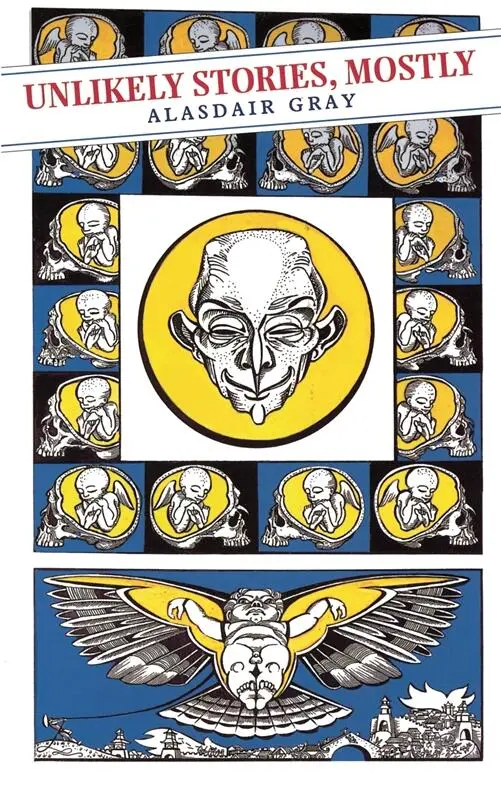
- Название:Unlikely Stories Mostly
- Автор:
- Издательство:Canongate U.S.
- Жанр:
- Год:2003
- ISBN:нет данных
- Рейтинг книги:4 / 5. Голосов: 1
-
Избранное:Добавить в избранное
- Отзывы:
-
Ваша оценка:
Unlikely Stories Mostly: краткое содержание, описание и аннотация
Предлагаем к чтению аннотацию, описание, краткое содержание или предисловие (зависит от того, что написал сам автор книги «Unlikely Stories Mostly»). Если вы не нашли необходимую информацию о книге — напишите в комментариях, мы постараемся отыскать её.
‘This anthology may be likened to a vast architectural folly imblending the idioms of the Greek, Gothic, Oriental, Baroque, Scottish Baronial and Bauhaus schools. Like one who, absently sauntering the streets of Barcelona, suddenly beholds the breathtaking grandeur of Gaudi’s Familia Sagrada, I am compelled to admire a display of power and intricacy whose precise purpose evades me. Is the structure haunted by a truth too exalted and ghostly to dwell in a plainer edifice? Perhaps. I wonder. I doubt.’ Lady Nicola Stewart, Countess of Dunfermline in The Celtic Needlewoman.
Alasdair Gray’s most playful book earned a place in this Classic Series by being in print since first published by Canongate in 1983. This completely amended edition has two new stories; also a postscript by the author and Douglas Gifford.
Unlikely Stories Mostly — читать онлайн бесплатно полную книгу (весь текст) целиком
Ниже представлен текст книги, разбитый по страницам. Система сохранения места последней прочитанной страницы, позволяет с удобством читать онлайн бесплатно книгу «Unlikely Stories Mostly», без необходимости каждый раз заново искать на чём Вы остановились. Поставьте закладку, и сможете в любой момент перейти на страницу, на которой закончили чтение.
Интервал:
Закладка:

Not everyone inside the great work was happy there. When the structure was repaired the masons found odd cavernous spaces full of mummified bodies. These had been slaves who died while putting the building up. They were buried this way because it did not interrupt the labour, and because the founding emperor wanted everyone who worked on his tomb to end up inside. But the re-opened crypts held signs of life: rough tables with winestains and cheap candlesticks on them, and there were gaps in the surrounding stonework just big enough to admit people on their hands and knees. The police discovered that these crypts were used by a society of slaves, labourers and women who met there once a week to exchange subversive gossip. The society was co-operative. Members paid small sums to an agent who cooked them a communal meal and guarded their articles of association. These articles set out the wildest hopes of uneducated people in the language of company law. They said:
God had designed the axletree as a home for all who worked on it.
The construction company had stolen it and was building for private profit.
When the top touched heaven the divine architect would come down and lock up the directors and shareholders in their treasure vaults.
And give members of the co-operative society an eternally happy home.
Members sometimes disagreed about whether they would occupy the finished work as ghosts or bodies, or use it as a stair to enter heaven. Their disputes were settled by the works foreman, the society’s chief agent. He was supposed to know far more about building than the company chairman, though he was elected for his ability as a caterer.
The company chairman thought this society would start a rebellion among his labour force. It was banned and the police killed many of its agents, including the first two foremen. Yet it gained members and grew, for it helped the worst-paid people believe that their enslavement to the axletree would eventually do them good.
One day the rim of the empire was penetrated by a fast-moving barbarian horde. They came so near the axletree that distant shareholders grew afraid of losing touch with their wealth and started drawing it from the company vaults. This had a bad effect on trade, and discontented provinces demanded independence. Building came to a halt. In the resulting unemployment it was clear that the co-operative society was giving ordinary folk courage and hope which cost the construction company nothing. The company chairman sought an interview with the works foreman and afterwards they announced that:
The entire work belonged to God now, and everyone in it was his servant.
The co-operative was now a legal building society. The company chairman had joined it, so had the major shareholders, and God would welcome them into heaven when the work was done.
The foreman of the work, in God’s name, had taken over the summit of the work, and was now in charge of the building, which would be paid for out of co-operative funds.
The construction company would hold onto the treasure-vaults, the markets and government offices, in order to guard the foundation and maintain the fabric.
The news made many people happy. We thought rich and poor would unite to defend the empire and complete the building.
But the empire was being attacked on every side and there was no labour to spare for the building. The construction company kept an appearance of order by bribing enemies to stay away. Our market shrank, the canals silted up and the pillar of cloud, which was mainly produced by body-heat, gradually dissolved. Then an army of barbarians too large to bribe marched inside and plundered as they pleased. The scale of the work so daunted them that they could not plunder everything, but when they finally left we found that the last of the company chairmen had absconded with the last of the company’s gold. The vaults of the work became the lair of bats and foxes. The population dwindled to a few farmers grazing their herds on the dry bed of the ancient sea. The only government left was the works foreman. Once a week he served meals to his followers on the great floor surrounding the founder’s sarcophagus, and once a year he supervised the shifting of a stone from the foundation to the summit where it was cemented firmly into place. This was the end of the first big building-boom.
Meanwhile the separate provinces fought the invaders and lost touch with each other until the biggest unit of government was a war-lord with a troop of horsemen and a fort on a hill. Language dissolved into a babble of barbaric new dialects. But agents of the building society travelled around the continent opening branch-offices shaped like the work at the centre. Members used these offices as holiday homes, schools and hospitals. Since there was no currency they paid their contributions in gifts of food and labour, and the agents served everyone with regular meals as a foretaste of the day when all good people would live together in God’s eternal house. Society business was conducted in the language of the old construction company, the only language which could be written and read, so the local rulers needed the help of an agent before they could send a letter or inscribe a law. When at last, under threat of new invasions from the rim, the warlords united into dukedoms and kingdoms, the building society provided them with a civil service. The new kingdoms did not exactly correspond to the ancient provinces. They fitted together like the wedges of a cut cake, the thin edges touching the axletree at the centre. Trade revived, gold flowed into the foreman’s vaults, the work was gradually re-peopled and repaired. Then building resumed. The work arose in arching buttresses and glittering pinnacles until it vanished into the bright cloud which reappeared above it. The work now went ahead as in the days of the old construction company, but with a different aim. The old company had been making a safe home for shareholders and their servants in the present. The new building society offered a safe home to everybody in the future.
When the great work entered the cloud many of us thought heaven had been reached and our foreman was talking to the divine architect. Everyone with spare money travelled to see him and tried to eat a meal in the works canteen. This led to over-crowding, so a foreman was elected who promised to enlarge the canteen and decorate it more lavishly than before. But finding himself short of cash he raised it by issuing a block of shares and auctioning them round the continent. These promised the buyers priority over other members when God came to allocate comfortable apartments in the finished work. Unluckily, however, the building society was still nominally a co-operative, and its advertisements still promised the best apartments to the poorest members, partly to compensate them for the living conditions they endured while the work was being built, partly because their labour was more important to it than gold. An angry agent working at ground level in a northern kingdom nailed up a list of objections:
The great work belonged to God, so nobody could buy or sell a place in it, and the foreman’s shares were useless paper.
The new canteen was a waste of money and labour. The first and best foremen had been rough labourers who served humble meals in dark cellars.
Corrupt agents inside the axletree had brought real building to a halt. In recent years the only work on the summit had turned it into a pleasure-park for the amusement of the foreman and his friends.
The foreman replied that:
The work certainly belonged to God, who had decided to sell some of it and had told the foreman to act as his broker.
Читать дальшеИнтервал:
Закладка:
Похожие книги на «Unlikely Stories Mostly»
Представляем Вашему вниманию похожие книги на «Unlikely Stories Mostly» списком для выбора. Мы отобрали схожую по названию и смыслу литературу в надежде предоставить читателям больше вариантов отыскать новые, интересные, ещё непрочитанные произведения.

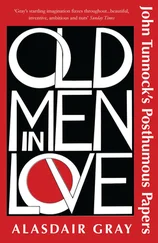






Обсуждение, отзывы о книге «Unlikely Stories Mostly» и просто собственные мнения читателей. Оставьте ваши комментарии, напишите, что Вы думаете о произведении, его смысле или главных героях. Укажите что конкретно понравилось, а что нет, и почему Вы так считаете.