Margaret Mitchell - Gone with the Wind
Здесь есть возможность читать онлайн «Margaret Mitchell - Gone with the Wind» весь текст электронной книги совершенно бесплатно (целиком полную версию без сокращений). В некоторых случаях можно слушать аудио, скачать через торрент в формате fb2 и присутствует краткое содержание. Жанр: Классическая проза, на английском языке. Описание произведения, (предисловие) а так же отзывы посетителей доступны на портале библиотеки ЛибКат.
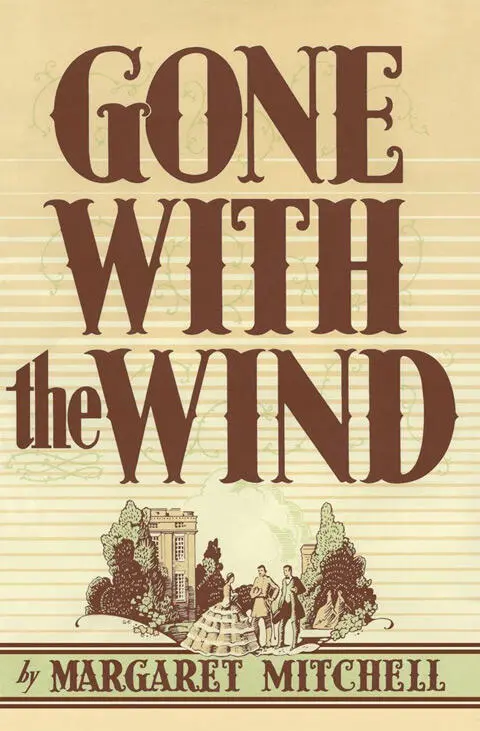
- Название:Gone with the Wind
- Автор:
- Жанр:
- Год:неизвестен
- ISBN:нет данных
- Рейтинг книги:4.17 / 5. Голосов: 6
-
Избранное:Добавить в избранное
- Отзывы:
-
Ваша оценка:
Gone with the Wind: краткое содержание, описание и аннотация
Предлагаем к чтению аннотацию, описание, краткое содержание или предисловие (зависит от того, что написал сам автор книги «Gone with the Wind»). Если вы не нашли необходимую информацию о книге — напишите в комментариях, мы постараемся отыскать её.
Gone with the Wind — читать онлайн бесплатно полную книгу (весь текст) целиком
Ниже представлен текст книги, разбитый по страницам. Система сохранения места последней прочитанной страницы, позволяет с удобством читать онлайн бесплатно книгу «Gone with the Wind», без необходимости каждый раз заново искать на чём Вы остановились. Поставьте закладку, и сможете в любой момент перейти на страницу, на которой закончили чтение.
Интервал:
Закладка:
The road down to the river lay red and scorching between the ruined cotton fields. There were no trees to cast a shade and the sun beat down through Mammy’s sunbonnet as if it were made of tarlatan instead of heavy quilted calico, while the dust floating upward sifted into her nose and throat until she felt the membranes would crack dryly if she spoke. Deep ruts and furrows were cut into the road where horses had dragged heavy guns along it and the red gullies on either side were deeply gashed by the wheels. The cotton was mangled and trampled where cavalry and infantry, forced off the narrow road by the artillery, had marched through the green bushes, grinding them into the earth. Here and there in the road and fields lay buckles and bits of harness leather, canteens flattened by hooves and caisson wheels, buttons, blue caps, worn socks, bits of bloody rags, all the litter left by the marching army.
She passed the clump of cedars and the low brick wall which marked the family burying ground, trying not to think of the new grave lying by the three short mounds of her little brothers. Oh, Ellen—She trudged on down the dusty hill, passing the heap of ashes and the stumpy chimney where the Slattery house had stood, and she wished savagely that the whole tribe of them had been part of the ashes. If it hadn’t been for the Slatterys—if it hadn’t been for that nasty Emmie who’d had a bastard brat by their overseer—Ellen wouldn’t have died.
She moaned as a sharp pebble cut into her blistered foot. What was she doing here? Why was Scarlett O’Hara, the belle of the County, the sheltered pride of Tara, tramping down this rough road almost barefoot? Her little feet were made to dance, not to limp, her tiny slippers to peep daringly from under bright silks, not to collect sharp pebbles and dust. She was born to be pampered and waited upon, and here she was, sick and ragged, driven by hunger to hunt for food in the gardens of her neighbors.
At the bottom of the long hill was the river and how cool and still were the tangled trees overhanging the water! She sank down on the low bank, and stripping off the remnants of her slippers and stockings, dabbled her burning feet in the cool water. It would be so good to sit here all day, away from the helpless eyes of Tara, here where only the rustle of leaves and the gurgle of slow water broke the stillness. But reluctantly she replaced her shoes and stockings and trudged down the bank, spongy with moss, under the shady trees. The Yankees had burned the bridge but she knew of a footlog bridge across a narrow point of the stream a hundred yards below. She crossed it cautiously and trudged uphill the hot halfmile to Twelve Oaks.
There towered the twelve oaks, as they had stood since Indian days, but with their leaves brown from fire and the branches burned and scorched. Within their circle lay the ruins of John Wilkes’ house, the charred remains of that once stately home which had crowned the hill in white-columned dignity. The deep pit which had been the cellar, the blackened field-stone foundations and two mighty chimneys marked the site. One long column, half-burned, had fallen across the lawn, crushing the cape jessamine bushes.
Scarlett sat down on the column, too sick at the sight to go on. This desolation went to her heart as nothing she had ever experienced. Here was the Wilkes pride in the dust at her feet. Here was the end of the kindly, courteous house which had always welcomed her, the house where in futile dreams she had aspired to be mistress. Here she had danced and dined and flirted and here she had watched with a jealous, hurting heart how Melanie smiled up at Ashley. Here, too, in the cool shadows of the trees, Charles Hamilton had rapturously pressed her hand when she said she would marry him.
“Oh, Ashley,” she thought, “I hope you are dead! I could never bear for you to see this.”
Ashley had married his bride here but his son and his son’s son would never bring brides to this house. There would be no more matings and births beneath this roof which she had so loved and longed to rule. The house was dead and to Scarlett, it was as if all the Wilkeses, too, were dead in its ashes.
“I won’t think of it now. I can’t stand it now. I’ll think of it later,” she said aloud, turning her eyes away.
Seeking the garden, she limped around the ruins, by the trampled rose beds the Wilkes girls had tended so zealously, across the back yard and through the ashes to the smokehouse, barns and chicken houses. The split-rail fence around the kitchen garden had been demolished and the once orderly rows of green plants had suffered the same treatment as those at Tara. The soft earth was scarred with hoof prints and heavy wheels and the vegetables were mashed into the soil. There was nothing for her here.
She walked back across the yard and took the path down toward the silent row of whitewashed cabins in the quarters, calling “Hello!” as she went. But no voice answered her. Not even a dog barked. Evidently the Wilkes negroes had taken flight or followed the Yankees. She knew every slave had his own garden patch and as she reached the quarters, she hoped these little patches had been spared.
Her search was rewarded but she was too tired even to feel pleasure at the sight of turnips and cabbages, wilted for want of water but still standing, and straggling butter beans and snap beans, yellow but edible. She sat down in the furrows and dug into the earth with hands that shook, filling her basket slowly. There would be a good meal at Tara tonight, in spite of the lack of side meat to boil with the vegetables. Perhaps some of the bacon grease Dilcey was using for illumination could be used for seasoning. She must remember to tell Dilcey to use pine knots and save the grease for cooking.
Close to the back step of one cabin, she found a short row of radishes and hunger assaulted her suddenly. A spicy, sharp-tasting radish was exactly what her stomach craved. Hardly waiting to rub the dirt off on her skirt, she bit off half and swallowed it hastily. It was old and coarse and so peppery that tears started in her eyes. No sooner had the lump gone down than her empty outraged stomach revolted and she lay in the soft dirt and vomited tiredly.
The faint niggery smell which crept from the cabin increased her nausea and, without strength to combat it, she kept on retching miserably while the cabins and trees revolved swiftly around her.
After a long time, she lay weakly on her face, the earth as soft and comfortable as a feather pillow, and her mind wandered feebly here and there. She, Scarlett O’Hara was lying behind a negro cabin, in the midst of ruins, too sick and too weak to move, and no one in the world knew or cared. No one would care if they did know, for everyone had too many troubles of his own to worry about her. And all this was happening to her, Scarlett O’Hara, who had never raised her hand even to pick up her discarded stockings from the floor or to tie the laces of her slippers—Scarlett, whose little headaches and tempers had been coddled and catered to all her life.
As she lay prostrate, too weak to fight off memories and worries, they rushed at her like buzzards waiting for death. No longer had she the strength to say: “I’ll think of Mother and Pa and Ashley and all this ruin later—Yes, later when I can stand it.” She could not stand it now, but she was thinking of them whether she willed it or not. The thoughts circled and swooped above her, dived down and drove tearing claws and sharp beaks into her mind. For a timeless time, she lay still, her face in the dirt, the sun beating hotly upon her, remembering things and people who were dead, remembering a way of living that was gone forever—and looking upon the harsh vista of the dark future.
When she arose at last and saw again the black ruins of Twelve Oaks, her head was raised high and something that was youth and beauty and potential tenderness had gone out of her face forever. What was past was past. Those who were dead were dead. The lazy luxury of the old days was gone, never to return. And, as Scarlett settled the heavy basket across her arm, she had settled her own mind and her own life.
Читать дальшеИнтервал:
Закладка:
Похожие книги на «Gone with the Wind»
Представляем Вашему вниманию похожие книги на «Gone with the Wind» списком для выбора. Мы отобрали схожую по названию и смыслу литературу в надежде предоставить читателям больше вариантов отыскать новые, интересные, ещё непрочитанные произведения.








Обсуждение, отзывы о книге «Gone with the Wind» и просто собственные мнения читателей. Оставьте ваши комментарии, напишите, что Вы думаете о произведении, его смысле или главных героях. Укажите что конкретно понравилось, а что нет, и почему Вы так считаете.